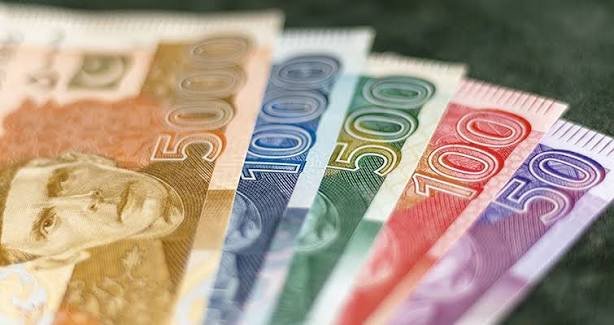

The value of a country’s currency tells a story that goes far beyond numbers on a screen. It reflects economic confidence, trade performance, political stability, foreign investment, and even the daily lives of ordinary people. In Pakistan, few financial topics receive as much attention as pakistani rupee news. Whether you are a business owner, overseas Pakistani, investor, traveler, importer, exporter, or simply someone trying to understand the economy, the movement of the Pakistani Rupee matters.
Every rise or fall in the exchange rate affects fuel prices, grocery bills, imported electronics, education expenses abroad, and business costs. A stronger rupee often creates optimism, while a weaker currency raises concerns about inflation and purchasing power. This is why millions of people check pakistani rupee news every day to stay informed about changing market conditions.
In this article, we’ll explore the latest exchange rate trends, the factors driving currency fluctuations, the impact on businesses and consumers, expert expectations, and practical tips for navigating an unpredictable currency market.
Why Pakistani Rupee News Matters
The Pakistani Rupee (PKR) is one of the most closely watched currencies in South Asia. Its performance influences almost every sector of the economy. When reading pakistani rupee news, people are not simply tracking exchange rates—they are trying to understand where the economy is heading.
Several groups depend heavily on currency updates:
- Importers purchasing goods from international suppliers
- Exporters receiving payments in foreign currencies
- Overseas Pakistanis sending remittances home
- Investors monitoring financial markets
- Students planning education abroad
- Travelers exchanging currencies
- Businesses managing international transactions
- Consumers facing changing prices
Even a small movement in the exchange rate can affect thousands of products sold across Pakistan.
Understanding the Pakistani Rupee Exchange Rate
An exchange rate shows how much one currency is worth compared to another. For Pakistan, the most commonly tracked currencies include:
| Currency | Importance |
|---|---|
| US Dollar (USD) | International trade and reserves |
| Euro (EUR) | European imports and exports |
| British Pound (GBP) | Overseas Pakistanis and trade |
| Saudi Riyal (SAR) | Remittances and Hajj travel |
| UAE Dirham (AED) | Business and overseas workers |
| Chinese Yuan (CNY) | Imports and China-Pakistan trade |
Most pakistani rupee news updates focus on the USD to PKR exchange rate because the US Dollar dominates international trade and foreign reserves.
Recent Pakistani Rupee Exchange Rate Trends
Over recent years, Pakistan has experienced significant currency volatility. The exchange rate has responded to changing economic conditions, global financial pressures, government policies, and international lending agreements.
Some common trends include:
- Frequent fluctuations in the open market
- Changes in interbank exchange rates
- Periods of rupee appreciation
- Episodes of depreciation against major currencies
- Central bank interventions
- Seasonal changes linked to remittances
Reading pakistani rupee news regularly helps businesses prepare for these changing market conditions rather than reacting after prices have already shifted.
Major Factors Affecting the Pakistani Rupee
Foreign Exchange Reserves
Foreign exchange reserves are among the strongest indicators of currency stability.
Higher reserves generally:
- Improve investor confidence
- Support exchange rate stability
- Strengthen import capacity
- Reduce market uncertainty
Lower reserves often increase pressure on the rupee.
Inflation
Inflation directly impacts currency value.
When inflation rises:
- Purchasing power declines.
- Production costs increase.
- Imports become more expensive.
- Consumers spend more cautiously.
This relationship explains why pakistani rupee news often includes inflation updates alongside exchange rates.
Trade Deficit
Pakistan imports more goods than it exports in many years.
Major imports include:
- Petroleum products
- Machinery
- Chemicals
- Electronics
- Industrial equipment
- Vehicles
A widening trade deficit increases demand for foreign currency and may weaken the rupee.
Remittances
Millions of overseas Pakistanis send money back home every month.
These remittances:
- Increase foreign currency inflows
- Support foreign reserves
- Improve liquidity
- Help stabilize the rupee
Strong remittance figures often create positive headlines in pakistani rupee news.
Monetary Policy
The State Bank of Pakistan uses interest rates and financial policies to manage inflation and support economic stability.
Interest rate decisions influence:
- Investment
- Consumer spending
- Borrowing
- Savings
- Currency demand
Markets closely monitor every policy announcement.
Political Stability and Currency Performance
Currencies dislike uncertainty.
Political developments can quickly influence:
- Investor confidence
- Foreign direct investment
- Stock market performance
- International lending
- Business sentiment
Stable governance generally supports stronger financial markets, while prolonged uncertainty can pressure the exchange rate.
This is why pakistani rupee news frequently includes political developments alongside economic reporting.
Global Events That Influence the Rupee
Pakistan’s economy does not operate in isolation.
Several international factors affect exchange rates:
Oil Prices
Pakistan imports a significant amount of petroleum.
Higher oil prices:
- Increase import bills
- Raise transportation costs
- Fuel inflation
- Increase foreign currency demand
US Dollar Strength
A stronger US Dollar often pressures emerging market currencies, including the Pakistani Rupee.
Global Inflation
Worldwide inflation changes import prices, commodity costs, and investment flows.
International Interest Rates
When major central banks increase interest rates, investors often shift funds toward developed markets.
Emerging economies may then experience capital outflows.
How Exchange Rate Changes Affect Daily Life
Many people think exchange rates only matter to traders.
In reality, pakistani rupee news affects everyday households.
Grocery Prices
Imported food products become more expensive when the rupee weakens.
Fuel Costs
Higher fuel import costs often increase transportation expenses.
Mobile Phones and Electronics
Most electronics are imported.
Currency depreciation usually means higher retail prices.
Education Abroad
Families paying tuition in foreign currencies face increased expenses.
Air Travel
International ticket prices often reflect exchange rate movements.
Impact on Pakistani Businesses
Businesses closely monitor pakistani rupee news because currency changes influence profitability.
Importers
Challenges include:
- Rising purchase costs
- Higher shipping expenses
- Increased inventory prices
Exporters
Exporters sometimes benefit from a weaker rupee because foreign earnings convert into more local currency.
However, imported raw materials may offset some of these gains.
Manufacturers
Manufacturers using imported machinery or components face increased production costs during periods of currency depreciation.
Role of the State Bank of Pakistan
The central bank plays a vital role in maintaining financial stability.
Its responsibilities include:
- Managing monetary policy
- Supervising commercial banks
- Maintaining financial stability
- Controlling inflation
- Managing foreign exchange reserves
- Monitoring exchange markets
Many pakistani rupee news reports focus on the State Bank’s policy decisions because they often influence market expectations.
Interbank Rate vs Open Market Rate
Many readers notice two different exchange rates.
Interbank Rate
Used primarily between banks and financial institutions.
Usually reflects wholesale transactions.
Open Market Rate
Available to individuals exchanging foreign currencies.
May differ due to demand and supply conditions.
Understanding this difference helps readers interpret pakistani rupee news more accurately.
Exchange Rate Forecast: What Experts Watch
No one can predict exchange rates with complete certainty.
However, economists typically monitor:
- Foreign reserves
- Inflation data
- GDP growth
- Trade balance
- Current account deficit
- Fiscal policy
- Interest rates
- Export performance
- Import payments
- Foreign investment
- IMF negotiations
- Global commodity prices
Together, these indicators provide clues about future currency direction.
Tips for Businesses During Currency Volatility
Businesses can reduce exchange rate risks through smart planning.
Some practical strategies include:
- Monitor currency trends regularly.
- Diversify suppliers.
- Improve cash flow management.
- Reduce unnecessary imports.
- Negotiate flexible payment terms.
- Build emergency reserves.
- Review pricing strategies frequently.
- Hedge currency exposure where appropriate.
Keeping up with pakistani rupee news allows companies to make informed financial decisions rather than reacting to sudden market changes.
What Investors Should Know
Investors often consider currency movements before making decisions.
Areas influenced by exchange rates include:
- Stock market performance
- Government bonds
- Mutual funds
- Gold prices
- Real estate
- Export-oriented companies
- Banking sector
- Manufacturing firms
A changing rupee can create both risks and opportunities depending on market conditions.
Common Misconceptions About the Pakistani Rupee
“A Stronger Rupee Always Means a Strong Economy”
Not necessarily.
Sometimes short-term interventions temporarily strengthen a currency without addressing deeper economic issues.
“Exchange Rates Only Matter to Traders”
Every household feels the effects through inflation, fuel prices, imported goods, and purchasing power.
“Currency Values Only Depend on Government Decisions”
Global markets, investor confidence, trade, geopolitical events, and international commodity prices all play major roles.
How to Stay Updated on Pakistani Rupee News
Reliable information is essential when tracking financial markets.
Consider following:
- Daily exchange rate updates
- Economic indicators
- Inflation reports
- Central bank announcements
- Budget developments
- Trade statistics
- Banking sector updates
- International market trends
- Foreign reserve reports
- Business news
Following consistent and trustworthy pakistani rupee news helps individuals make better financial decisions over time.
Final Thoughts
The Pakistani Rupee remains one of the most important indicators of the country’s economic health. Every movement in the currency reflects a combination of domestic policies, global developments, market confidence, trade performance, inflation, and investor sentiment. That is why pakistani rupee news continues to attract attention from businesses, economists, overseas Pakistanis, investors, and ordinary citizens alike.