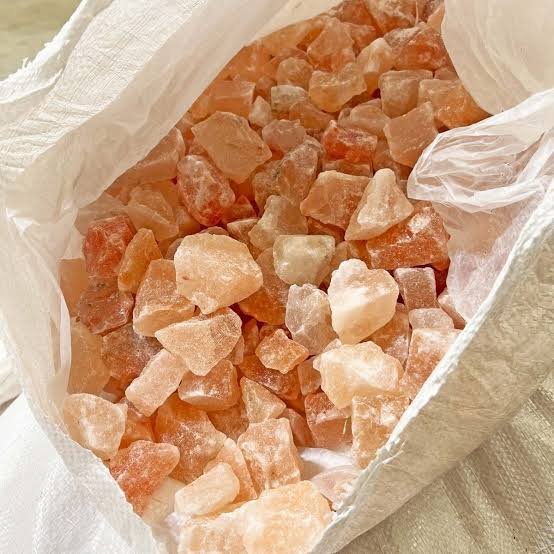

Few places surprise travelers quite like a pink salt mine. Imagine walking through glowing tunnels carved entirely from ancient rock salt, where walls shimmer under soft lights and every chamber tells a story millions of years in the making. It’s one of those destinations that looks almost unreal in photographs but somehow feels even more magical in person.
Whether you’re planning your first visit, researching the history behind these remarkable underground wonders, or simply curious about what makes a pink salt mine so famous, this guide covers everything you need to know. From geological formation and mining traditions to visitor experiences and practical travel tips, you’ll discover why these colorful underground landscapes continue to attract travelers from around the world.
Let’s step beneath the surface and explore one of nature’s most fascinating creations.
What Is a Pink Salt Mine?
A pink salt mine is an underground deposit of natural rock salt that contains trace minerals responsible for its distinctive rosy color. Unlike ordinary table salt, pink rock salt formed millions of years ago as ancient seas gradually evaporated, leaving behind thick mineral-rich layers.
Over countless ages, geological pressure transformed those deposits into solid rock salt. Today, miners carefully extract these valuable minerals while preserving many historic chambers that visitors can safely explore.
The beautiful shades range from pale blush to deep orange and reddish pink. These colors come primarily from naturally occurring iron oxide and other trace minerals found throughout the salt deposits.
Many people associate pink salt with cooking, wellness products, decorative lamps, and spa treatments, but visiting the mine itself offers an entirely different perspective.
The Ancient History Behind Pink Salt
The story of every pink salt mine begins hundreds of millions of years ago.
Long before humans existed, vast inland seas covered large portions of the Earth. As climates changed, these waters slowly evaporated, leaving thick beds of mineral salt behind. Over time, sediment, pressure, and tectonic activity buried these deposits deep underground.
Centuries later, civilizations discovered these underground treasures.
Historically, rock salt was so valuable that it often served as currency. Trade routes developed around salt production, helping entire communities prosper. Many historic mines became economic centers, supporting generations of miners and local families.
Today, while modern mining equipment has improved efficiency, many traditional mining techniques remain respected as part of the area’s cultural heritage.
Why Is Pink Salt Different from Regular Salt?
Many visitors wonder why pink salt looks so unique.
The answer lies in its natural mineral composition.
Unlike heavily refined table salt, natural pink rock salt usually contains small amounts of:
- Iron
- Calcium
- Potassium
- Magnesium
- Zinc
- Sodium chloride
- Trace minerals
These minerals not only influence color but also contribute to the crystal’s distinctive appearance.
Although many health claims circulate online, it’s important to understand that pink salt and table salt are both primarily sodium chloride. Most nutritional differences are relatively small when consumed in normal amounts.
What You’ll See Inside a Pink Salt Mine
Walking into a pink salt mine feels like entering another world.
The temperature remains pleasantly cool throughout the year, making it comfortable regardless of the season outside.
Visitors often discover:
- Massive underground chambers
- Salt crystal walls
- Illuminated tunnels
- Historic mining equipment
- Underground lakes
- Salt sculptures
- Ancient rail tracks
- Guided walking routes
- Mining exhibits
- Cathedral-like halls
- Museum displays
- Educational galleries
The lighting transforms ordinary salt into glowing shades of pink, amber, orange, and white, creating unforgettable scenery.
Photography enthusiasts especially appreciate how light reflects off the crystalline surfaces.
Geological Formation of Pink Rock Salt
Understanding how a pink salt mine formed makes the visit even more fascinating.
The formation process generally includes:
| Stage | Description |
|---|---|
| Ancient Sea | Large saltwater basins covered the region. |
| Evaporation | Water disappeared over millions of years. |
| Mineral Deposition | Thick salt layers accumulated. |
| Burial | Sediment covered the salt beds. |
| Compression | Geological pressure created solid rock. |
| Mining | Humans eventually discovered and extracted the deposits. |
Nature needed millions of years to produce what visitors admire in only a few hours.
The Mining Process
Modern mining combines advanced technology with traditional craftsmanship.
Workers carefully remove rock salt while maintaining structural stability inside the tunnels.
The process usually includes:
Geological Survey
Experts first identify high-quality salt deposits.
Controlled Extraction
Specialized equipment removes large salt blocks without damaging surrounding areas.
Transportation
Small mining trains or conveyor systems move extracted salt to the surface.
Processing
Depending on its intended use, the salt may be crushed, cleaned, packaged, or carved into decorative products.
Safety remains the highest priority throughout every stage.
Visitor Experience: What to Expect
A guided tour through a pink salt mine offers much more than simply looking at walls made of salt.
Visitors often enjoy educational storytelling, historical demonstrations, geological explanations, and beautifully illuminated chambers.
Depending on the location, tours may include:
- Underground train rides
- Interactive museums
- Audio guides
- Family-friendly exhibits
- Salt art displays
- Mining demonstrations
- Viewing platforms
- Souvenir shops
- Cafés
- Exhibition halls
Most tours last between one and three hours.
Best Time to Visit
Fortunately, a pink salt mine is enjoyable throughout the year because underground temperatures remain fairly stable.
Still, each season offers different advantages.
Spring
Comfortable weather above ground and fewer crowds.
Summer
Ideal for families on vacation, although visitor numbers increase.
Autumn
Pleasant weather with shorter waiting times.
Winter
A quieter atmosphere and comfortable underground temperatures compared to the cold outside.
Booking tickets in advance is often recommended during holidays.
What Should You Wear?
Even during hot summers, mines stay relatively cool.
A comfortable outfit includes:
- Light jacket
- Walking shoes
- Comfortable clothing
- Camera
- Water bottle
- Small backpack
Avoid high heels or slippery footwear because some paths may be uneven.
Is a Pink Salt Mine Safe?
Absolutely.
Modern tourist mines follow strict safety standards.
Visitors usually receive guidance before entering.
Safety measures include:
- Clearly marked routes
- Emergency exits
- Professional guides
- Good ventilation
- Stable walking paths
- Security monitoring
- Medical assistance when needed
Following guide instructions helps ensure an enjoyable experience.
Fascinating Things You May Not Know
A pink salt mine contains plenty of surprising facts.
For example:
- Some tunnels extend for hundreds of kilometers.
- Salt naturally preserves many objects.
- Underground air is often very dry.
- Certain chambers feature remarkable acoustics.
- Salt walls sparkle differently depending on lighting.
- Mining traditions may date back centuries.
- Some mines include underground chapels.
- Large salt blocks can weigh several tons.
- Salt has long been essential for food preservation.
- Many mines have become major tourist attractions.
These details add another layer of appreciation during your visit.
Photography Tips
Photographing a pink salt mine can be challenging because lighting conditions vary underground.
For better pictures:
- Turn off the flash when possible.
- Use steady hands.
- Increase camera ISO if needed.
- Capture wide-angle tunnel views.
- Include people for scale.
- Photograph crystal textures.
- Experiment with reflections.
Patience often produces the best results.
Family-Friendly Activities
Children usually enjoy exploring underground tunnels.
Many mines provide activities such as:
- Educational games
- Treasure hunts
- Interactive exhibits
- Mining history lessons
- Geological displays
- Mini train rides
- Crystal demonstrations
These experiences transform learning into an adventure.
Local Culture and Mining Heritage
Mining communities often take enormous pride in their history.
Generations of families have worked underground, passing knowledge from parents to children.
Visitors may encounter:
Traditional Tools
Historic drilling equipment and hand tools.
Mining Uniforms
Displays showing how workers dressed over the centuries.
Local Crafts
Decorative salt carvings and handmade souvenirs.
Folk Traditions
Music, stories, and celebrations inspired by mining culture.
These cultural elements make every pink salt mine much more than a geological attraction.
Popular Uses of Pink Rock Salt
After leaving the mine, you’ll notice pink salt appearing in many everyday products.
Common uses include:
- Cooking
- Gourmet seasoning
- Salt grinders
- Decorative lamps
- Bath salts
- Spa treatments
- Home décor
- Animal salt licks
- Salt blocks for grilling
- Handcrafted souvenirs
Each product begins its journey deep beneath the Earth’s surface.
Sustainable Mining and Conservation
Responsible operators balance tourism with environmental protection.
Many mines now focus on:
- Sustainable extraction
- Waste reduction
- Energy efficiency
- Visitor education
- Cultural preservation
- Geological conservation
- Historical restoration
These efforts help preserve the mine for future generations.
Practical Travel Tips
Planning ahead makes the experience smoother.
Here are a few suggestions:
- Book tickets early during peak season.
- Arrive before your scheduled tour.
- Wear comfortable shoes.
- Follow photography rules.
- Stay with your group.
- Bring a light jacket.
- Listen carefully to safety instructions.
- Allow extra time for museum exhibits and souvenir shopping.
Small preparations can make a big difference.
Why a Pink Salt Mine Deserves a Spot on Your Travel List
There are plenty of natural attractions around the world, yet a pink salt mine offers something genuinely different. It combines science, history, culture, adventure, and breathtaking scenery in a single destination. One moment you’re learning about ancient oceans, and the next you’re standing in a glowing chamber carved entirely from mineral-rich salt.
The experience appeals to almost everyone. History enthusiasts appreciate the centuries of mining heritage. Nature lovers are fascinated by the geological story hidden beneath the Earth’s surface. Families enjoy interactive exhibits and underground train rides, while photographers find endless inspiration in the shimmering tunnels and crystal formations.
Unlike many tourist attractions, a pink salt mine also offers a deeper appreciation for an everyday ingredient that most of us rarely think about. Seeing where pink rock salt comes from transforms an ordinary kitchen staple into something extraordinary.
Conclusion
Visiting a pink salt mine is far more than a sightseeing trip—it’s an unforgettable journey into the Earth’s ancient past. From glittering salt chambers and fascinating geological formations to historic mining traditions and educational exhibits, every step underground reveals something remarkable.