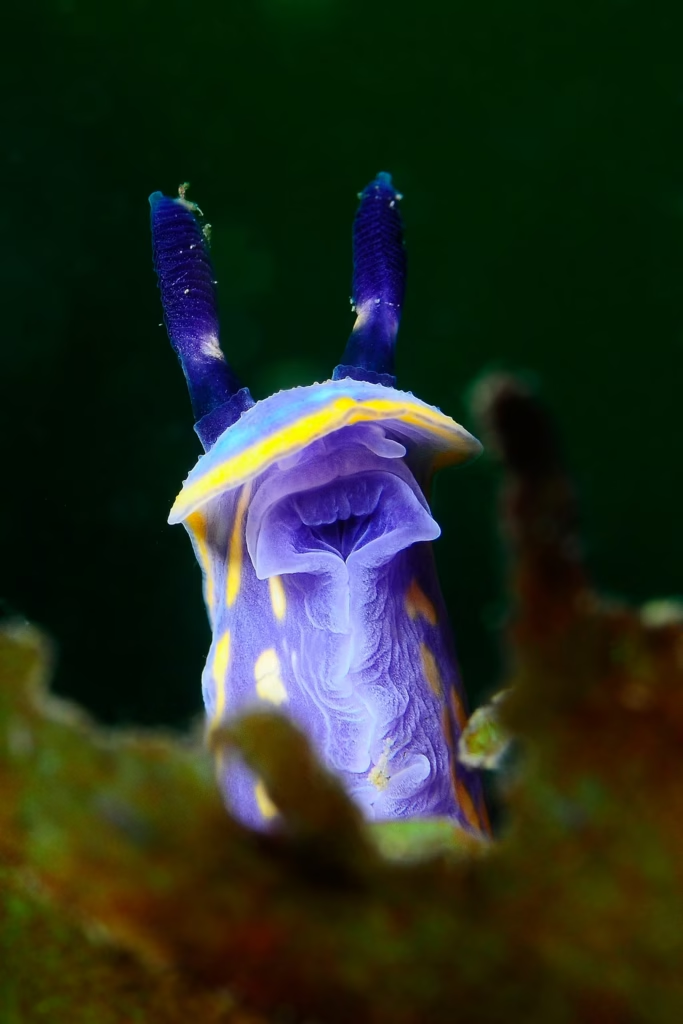

Have you ever seen a tiny marine creature that looks more like a fluffy rabbit than something living beneath the waves? If not, you’re about to meet one of the ocean’s most adorable surprises. The sea bunny has captured the hearts of divers, marine biologists, photographers, and animal lovers worldwide. Although it appears soft and furry, this remarkable creature is actually a species of sea slug with some incredible survival abilities.
At first glance, the sea bunny almost seems unreal. Its white body, tiny “ears,” and fluffy appearance make it look like a miniature stuffed toy. However, beneath that cute exterior lies a fascinating marine animal perfectly adapted to life in the ocean.
In this guide, we’ll explore ten amazing facts about the sea bunny, explain why it’s so unique, uncover its habitat, diet, defense mechanisms, and much more. Whether you’re a marine life enthusiast or simply curious about strange ocean creatures, you’ll discover why this tiny nudibranch deserves so much attention.
What Is a Sea Bunny?
The sea bunny is the common nickname for Jorunna parva, a tiny species of dorid nudibranch. Nudibranchs are colorful sea slugs that belong to the phylum Mollusca, making them relatives of snails and octopuses.
Unlike land slugs, nudibranchs spend their entire lives underwater. The sea bunny is famous because of its fluffy appearance, which comes from tiny sensory structures called caryophyllidia covering its body.
Although it resembles a rabbit, it has no fur whatsoever. Those “ears” are actually rhinophores—specialized organs that detect chemicals in the surrounding seawater.
Quick Facts About the Sea Bunny
| Feature | Details |
|---|---|
| Scientific Name | Jorunna parva |
| Common Name | Sea Bunny |
| Animal Type | Nudibranch (Sea Slug) |
| Phylum | Mollusca |
| Size | 1–2.5 cm |
| Habitat | Indo-Pacific Ocean |
| Diet | Marine sponges |
| Lifespan | Around 1 year |
| Conservation Status | Not Evaluated |
1. The Sea Bunny Isn’t Actually a Bunny
This surprises almost everyone.
The sea bunny isn’t a mammal or even remotely related to rabbits. Instead, it’s a marine gastropod mollusk. Its nickname simply comes from its appearance.
Its rhinophores resemble bunny ears, while the rounded body and fuzzy texture complete the illusion.
Nature has created many strange animals, but few are as unexpectedly adorable as this one.
2. It Lives in Warm Tropical Waters
The sea bunny prefers warm coastal waters throughout the Indo-Pacific region.
It can often be found around:
- Japan
- Philippines
- Indonesia
- Papua New Guinea
- Taiwan
- Southern China
These tiny creatures usually inhabit coral reefs, rocky seabeds, shallow coastal waters, and sponge-rich environments.
Divers often discover them crawling slowly across underwater rocks searching for food.
3. It’s Incredibly Tiny
Photos online often make the sea bunny appear much larger than reality.
In truth, most adults measure only:
- 1 centimeter
- 1.5 centimeters
- Occasionally up to 2.5 centimeters
That’s smaller than many coins.
Because they’re so tiny, underwater macro photography has played a huge role in making them internet-famous.
4. The Fluffy Appearance Is an Optical Illusion
One of the most fascinating facts about the sea bunny is that it isn’t fluffy at all.
Its body is covered with microscopic sensory projections called caryophyllidia.
These structures help the animal:
- Detect changes in water
- Sense nearby predators
- Navigate its surroundings
- Increase environmental awareness
Underwater lighting makes these structures resemble soft fur.
5. Those Cute Ears Have an Important Job
The sea bunny’s “ears” aren’t ears.
They’re rhinophores.
These specialized organs function almost like a combination of a nose and antennae.
They help detect:
- Food sources
- Chemical signals
- Potential mates
- Ocean currents
- Dangerous predators
Without rhinophores, finding food in the vast ocean would be extremely difficult.
6. Sea Bunnies Eat Sponges
Unlike many marine animals, the sea bunny has a surprisingly specialized diet.
Its favorite meal consists almost entirely of marine sponges.
Using a ribbon-like feeding organ called a radula, it scrapes tiny pieces from sponge surfaces.
This specialized diet helps reduce competition with other sea creatures.
It also explains why sea bunnies are commonly found wherever healthy sponge colonies grow.
7. They Have Clever Chemical Defenses
Despite looking harmless, the sea bunny possesses an effective defense strategy.
Many nudibranchs absorb defensive chemicals from the sponges they consume.
These compounds make them:
- Taste unpleasant
- Toxic to some predators
- Less attractive as prey
Bright coloration often serves as a warning signal in marine ecosystems.
Instead of hiding, many nudibranch species advertise that they aren’t worth eating.
8. Every Sea Bunny Is Both Male and Female
One of the most remarkable features of the sea bunny is its reproductive biology.
Like many nudibranchs, every individual is a simultaneous hermaphrodite.
That means each animal possesses both male and female reproductive organs.
However, they still require another individual for reproduction.
After mating, both animals may lay spiral-shaped egg ribbons attached to rocks or coral surfaces.
This strategy increases reproductive success in environments where encounters are relatively rare.
9. Sea Bunnies Are Important to Marine Ecosystems
Although tiny, these sea slugs contribute to healthy reef ecosystems.
Their ecological roles include:
- Regulating sponge populations
- Supporting marine biodiversity
- Serving as indicators of ecosystem health
- Participating in nutrient cycling
Marine biologists often study nudibranch diversity when assessing reef conditions.
Healthy populations frequently indicate stable underwater habitats.
10. They’re Internet Superstars
The sea bunny became globally famous after macro photographers shared breathtaking underwater images online.
Millions of people were amazed by its rabbit-like appearance.
Today it regularly appears in:
- Marine documentaries
- Wildlife blogs
- Nature magazines
- Educational videos
- Ocean conservation campaigns
- Social media posts
Many people discover an interest in marine biology after seeing a sea bunny for the first time.
Sea Bunny Anatomy Explained
Although tiny, the sea bunny has a surprisingly complex body.
Rhinophores
These detect chemicals dissolved in seawater.
Gill Plume
Located near the rear, external gills extract oxygen from water.
Caryophyllidia
These microscopic sensory structures create the famous fuzzy appearance.
Radula
A specialized feeding organ used to scrape sponge tissue.
Where Can You Find a Sea Bunny?
Sea bunnies inhabit shallow marine environments rich in coral reefs and sponge colonies.
Common locations include:
- Coral reefs
- Rocky coastlines
- Sandy reef edges
- Tropical lagoons
- Coastal islands
- Protected marine parks
Most sightings occur between a few meters and around 20 meters below the surface.
Why Are Sea Bunnies So Popular?
Several reasons explain their popularity.
- Their rabbit-like appearance is unforgettable.
- Macro photography highlights incredible detail.
- They introduce people to marine biodiversity.
- They help raise awareness about ocean conservation.
- They inspire curiosity about lesser-known sea creatures.
Sometimes the smallest animals leave the biggest impression.
Threats Facing Sea Bunnies
Although the sea bunny is not currently considered endangered, it still faces environmental challenges.
Major threats include:
- Coral reef destruction
- Ocean warming
- Marine pollution
- Plastic waste
- Coastal development
- Habitat degradation
- Ocean acidification
Protecting reef ecosystems helps preserve countless species, including sea bunnies.
Interesting Sea Bunny Facts at a Glance
| Fact | Description |
| Looks Like | Tiny white rabbit |
| Actually Is | Nudibranch sea slug |
| Maximum Size | About 2.5 cm |
| Favorite Food | Marine sponges |
| Habitat | Indo-Pacific reefs |
| Defense | Chemical toxins |
| Lifespan | Around one year |
| Reproduction | Hermaphroditic |
| Famous For | Adorable appearance |
| Scientific Name | Jorunna parva |
Why Scientists Love Studying Sea Bunnies
Researchers are fascinated by the sea bunny because it offers insights into evolution, chemical ecology, and marine biodiversity. Studying nudibranchs helps scientists understand predator-prey relationships, reef health, and the remarkable ways marine organisms adapt to their environments. The compounds some nudibranchs obtain from their diet may even inspire future biomedical research.
In addition, sea bunnies remind us that even the smallest creatures play meaningful roles in ocean ecosystems. Their specialized feeding habits, reproductive strategies, and sensory adaptations make them valuable subjects for marine science.
Final Thoughts
The sea bunny proves that nature is full of delightful surprises. Despite being only a few centimeters long, this extraordinary nudibranch has earned worldwide admiration thanks to its rabbit-like appearance, fascinating biology, and important ecological role.