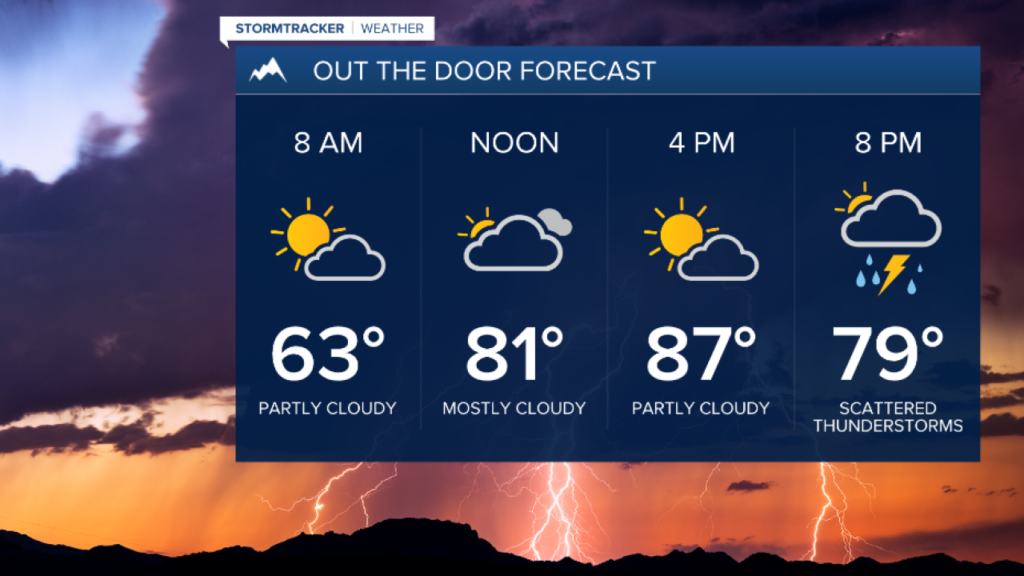

Ever stepped outside expecting sunshine, only to be greeted by unexpected rain? It’s a small frustration that can throw off your entire day. That’s exactly why knowing the weather tomorrow isn’t just helpful—it’s essential. Whether you’re planning a commute, organizing an outdoor event, or simply deciding what to wear, having an accurate forecast can make all the difference.
In today’s fast-paced world, people rely heavily on weather predictions. But not all forecasts are created equal. Some are incredibly precise, while others can leave you second-guessing. So how do you find a reliable forecast? And what should you really look for when checking the weather tomorrow?
Let’s break it all down in a way that feels less like a science lecture and more like a conversation with someone who’s been there.
Why Checking the Weather Tomorrow Matters
Planning ahead has always been a smart move. When it comes to weather, it’s practically a necessity. The weather tomorrow influences everything—from travel plans to productivity levels.
Daily Life Decisions
Think about your daily routine. You wake up, glance outside, and decide your outfit. But what if the sky is misleading? A sunny morning can quickly turn into an afternoon thunderstorm. That’s where a reliable weather tomorrow forecast comes in handy.
Here’s how it impacts your day:
- Choosing the right clothing (raincoat vs. sunglasses)
- Planning outdoor activities like picnics or sports
- Scheduling travel or commutes
- Preparing for extreme conditions like heatwaves or storms
Safety and Preparedness
Beyond convenience, safety is a major factor. Severe weather conditions like heavy rainfall, strong winds, or extreme temperatures can pose real risks. Knowing the weather tomorrow allows you to:
- Prepare emergency supplies
- Avoid hazardous travel conditions
- Protect your home and belongings
- Stay informed about weather alerts
How Weather Forecasting Works
Let’s pull back the curtain for a moment. Weather forecasting might seem like magic, but it’s actually a mix of science, technology, and data analysis.
Data Collection
Meteorologists gather data from various sources:
- Satellites monitoring cloud patterns
- Weather stations tracking temperature and humidity
- Radar systems detecting precipitation
- Ocean buoys measuring sea conditions
Forecast Models
Once data is collected, it’s fed into complex computer models. These models analyze atmospheric pressure, wind patterns, and temperature changes to predict the weather tomorrow.
Human Expertise
Despite advanced technology, human interpretation still plays a crucial role. Meteorologists review model outputs and adjust forecasts based on experience and local knowledge.
Key Elements of a Reliable Weather Tomorrow Forecast
Not all forecasts are equally useful. To truly trust the weather tomorrow, you need to understand what makes a forecast reliable.
Temperature Predictions
Temperature is often the first thing people check. Look for:
- High and low temperatures
- “Feels like” temperature (accounts for humidity and wind)
- Sudden temperature shifts
Precipitation Chances
Rain or snow can drastically affect your plans. A good forecast includes:
- Probability of precipitation (POP)
- Expected rainfall amounts
- Timing of showers or storms
Wind Conditions
Wind may seem minor, but it can impact travel and outdoor comfort. Check for:
- Wind speed
- Wind direction
- Gust levels
Humidity Levels
Humidity affects how comfortable you feel. High humidity can make hot days unbearable, while low humidity can dry out your skin.
Understanding Weather Terminology
Sometimes forecasts feel confusing because of technical terms. Let’s simplify a few common ones you’ll see when checking the weather tomorrow.
Common Terms Explained
- Partly Cloudy: Mix of sun and clouds
- Overcast: Sky completely covered with clouds
- Scattered Showers: Rain in some areas, not everywhere
- Thunderstorms: Rain accompanied by lightning and thunder
- Heat Index: How hot it feels when humidity is added
Understanding these terms helps you interpret forecasts more accurately.
Best Ways to Check the Weather Tomorrow
With so many options available, where should you look for the most accurate weather tomorrow forecast?
Mobile Weather Apps
These are the most convenient tools. They offer:
- Real-time updates
- Hourly forecasts
- Severe weather alerts
TV and Radio Broadcasts
Traditional media still plays an important role, especially for local updates and expert insights.
Online Weather Platforms
Websites provide detailed forecasts, maps, and long-range predictions.
Tips to Get the Most Accurate Forecast
Even the best tools can sometimes be off. Here’s how to improve your chances of getting a trustworthy weather tomorrow prediction.
Check Multiple Sources
Don’t rely on just one forecast. Comparing different platforms can give you a clearer picture.
Look at Hourly Updates
Weather can change quickly. Hourly forecasts provide more precise information than daily summaries.
Pay Attention to Trends
Instead of focusing on a single day, observe patterns over several days. This helps you anticipate changes.
Weather Tomorrow and Seasonal Variations
The accuracy of forecasts can vary depending on the season. Understanding this can help you interpret the weather tomorrow more effectively.
Summer Weather
- Sudden thunderstorms are common
- High humidity levels
- Heatwaves can develop quickly
Winter Weather
- Snowfall predictions can be tricky
- Ice and freezing conditions require caution
- Short daylight hours impact temperature
Monsoon and Rainy Seasons
- Heavy rainfall and flooding risks
- Rapid weather changes
- High moisture levels
How Weather Impacts Different Industries
The weather tomorrow doesn’t just affect individuals—it has a huge impact on entire industries.
Agriculture
Farmers rely heavily on weather forecasts for:
- Irrigation planning
- Crop protection
- Harvest timing
Transportation
Airlines, shipping companies, and drivers all depend on accurate weather data to ensure safety and efficiency.
Event Planning
Outdoor events can succeed or fail based on weather conditions. Organizers constantly monitor the weather tomorrow to make decisions.
Table: Key Weather Factors and Their Impact
| Weather Factor | Impact on Daily Life | What to Check |
|---|---|---|
| Temperature | Clothing, comfort | High/low, feels-like |
| Rain/Precipitation | Travel, outdoor plans | Probability, timing |
| Wind | Safety, travel conditions | Speed, gusts |
| Humidity | Comfort, health | Percentage levels |
| UV Index | Skin protection | Sun exposure risk |
Common Mistakes People Make When Checking Weather Tomorrow
Even with access to information, people often misinterpret forecasts.
Ignoring Probability Percentages
A 40% chance of rain doesn’t mean it will rain for 40% of the day. It means there’s a moderate chance of rain occurring.
Overlooking Wind and Humidity
Temperature alone doesn’t tell the full story. Wind chill and humidity can drastically change how weather feels.
Not Checking Updates
Forecasts are updated frequently. Checking the weather tomorrow just once may not be enough.
The Future of Weather Forecasting
Technology continues to evolve, making forecasts more accurate than ever.
Artificial Intelligence and Machine Learning
AI helps analyze massive amounts of data quickly, improving prediction accuracy.
Advanced Satellite Systems
Modern satellites provide high-resolution images and real-time tracking of weather systems.
Hyperlocal Forecasting
Instead of general city-wide predictions, forecasts are becoming more location-specific, offering detailed insights for neighborhoods.
How to Plan Your Day Around the Weather Tomorrow
Knowing the weather tomorrow is only useful if you act on it.
Smart Planning Tips
- Lay out your clothes the night before
- Adjust travel routes if bad weather is expected
- Schedule outdoor activities during favorable conditions
- Keep backup plans ready
Final Thoughts: Trust the Forecast, But Stay Flexible
At the end of the day, the weather tomorrow is a powerful tool—but it’s not perfect. Nature has its own way of surprising us. That’s why it’s important to stay informed, check updates regularly, and remain flexible with your plans.