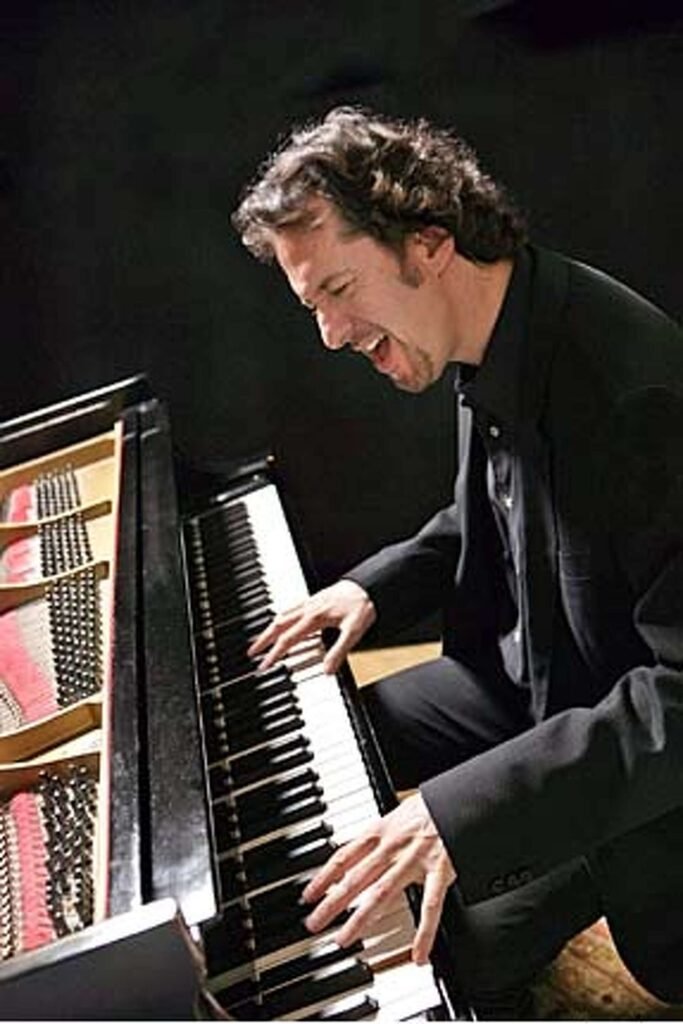

Jazz has always belonged to rule-breakers. From smoky clubs in New Orleans to packed concert halls in New York, the genre evolved because certain musicians dared to stretch beyond tradition. Among those influential artists stands michael wolff (musician), a pianist, composer, and bandleader whose career quietly reshaped the sound and spirit of modern jazz.
What makes his story fascinating is not only his technical brilliance at the piano. It’s the way he blended jazz improvisation with television, storytelling, funk, pop culture, and emotional honesty. While many jazz artists remained inside traditional circles, Wolff crossed boundaries effortlessly. He worked with legends, entertained mainstream audiences, and inspired younger musicians to view jazz as living art rather than museum music.
For decades, michael wolff (musician) has remained one of the most respected names in contemporary jazz. His influence reaches beyond recordings and performances. It appears in music education, television music direction, jazz fusion, and even modern approaches to live improvisation.
This article explores how his creativity, collaborations, and fearless musical choices helped shape the direction of modern jazz.
BIO Table: Michael Wolff
| Detail | Information |
|---|---|
| Full Name | Michael Wolff |
| Date of Birth | July 31, 1952 |
| Age | 73 (as of 2026) |
| Profession | Jazz Pianist, Composer, Bandleader, Actor |
| Nationality | American |
| Net Worth (approx.) | Estimated $2–5 Million |
| Notable Works / Achievements | Music Director for The Arsenio Hall Show, acclaimed jazz recordings, collaborations with major jazz legends |
Early Life and Musical Foundations
Every influential jazz musician begins with a foundation, and for michael wolff (musician), that foundation was deeply rooted in musical curiosity. Born in Chicago and raised partly in New Orleans and Berkeley, he experienced a rich blend of musical cultures from a young age.
New Orleans, in particular, left a lasting mark on his musical identity. The city’s rhythm, soul, blues influence, and improvisational tradition became part of his artistic DNA. Unlike rigid classical training, jazz encouraged freedom. Wolff embraced that freedom early.
As a young pianist, he absorbed influences from:
- Bebop
- Swing
- Blues piano
- Funk grooves
- Latin jazz
- Soul music
- Modern improvisation
- Classical harmony
These influences later became visible in his distinctive playing style. Even today, listeners often describe his sound as sophisticated yet emotionally accessible.
The Rise of Michael Wolff in the Jazz World
During the 1970s and 1980s, the jazz scene was changing rapidly. Fusion music, electric instruments, and experimental arrangements were becoming popular. Many traditionalists resisted these changes. However, michael wolff (musician) embraced evolution instead of fearing it.
His rise in the jazz community came through relentless performing and collaboration. Wolff played with major artists who respected his versatility and musical intelligence. Over time, he developed a reputation as a pianist who could adapt to almost any setting while maintaining his unique voice.
Working With Jazz Legends
One reason michael wolff (musician) became influential was his ability to collaborate with elite musicians. Throughout his career, he worked alongside respected artists from different musical worlds.
These collaborations exposed him to:
- Jazz improvisation techniques
- Advanced harmonic structures
- Live performance dynamics
- Ensemble communication
- Groove-oriented arrangements
- Experimental jazz concepts
Playing with legendary musicians refined his artistry and helped him contribute fresh ideas to modern jazz piano.
The Arsenio Hall Show and Mainstream Exposure
One of the most significant moments in Wolff’s career came when he became the musical director and bandleader for The Arsenio Hall Show. This television role changed everything.
At a time when jazz musicians rarely gained mainstream visibility, michael wolff (musician) appeared nightly before millions of viewers. The show mixed entertainment, comedy, celebrity interviews, and live music, introducing jazz-inspired musicianship to broader audiences.
This mattered more than people realize.
Jazz often struggles to connect with younger or casual listeners. Wolff helped bridge that gap. He made sophisticated musicianship feel exciting, approachable, and modern.
Why Television Changed Jazz Perception
Television exposure allowed Wolff to:
- Bring jazz piano into pop culture
- Showcase live improvisation on mainstream TV
- Blend jazz with funk and soul influences
- Highlight the importance of live bands
- Introduce younger viewers to jazz harmony
As a result, many aspiring musicians discovered jazz through televised performances rather than traditional jazz clubs.
That cultural crossover became part of Wolff’s legacy.
The Signature Style of Michael Wolff Musician
Every great jazz artist develops a recognizable sound. The playing style of michael wolff (musician) stands out because it balances technical brilliance with emotional storytelling.
Some jazz pianists focus heavily on complexity. Others prioritize melody. Wolff found a middle ground.
His style often includes:
Rhythmic Freedom
Wolff uses timing creatively. He stretches phrases, shifts accents, and creates rhythmic tension that keeps performances unpredictable.
Blues Influence
The emotional depth of blues music remains central to his piano playing. Even complex jazz passages carry warmth and soul.
Harmonic Sophistication
His chord voicings often combine traditional jazz harmony with modern textures. This creates a rich, cinematic sound.
Conversational Improvisation
Improvisation is central to jazz, but Wolff approaches it like conversation rather than competition. His solos tell stories instead of merely displaying speed.
How Michael Wolff Helped Modernize Jazz
Modern jazz constantly evolves, and michael wolff (musician) contributed to that evolution in several important ways.
Blending Genres Without Losing Jazz Identity
Many musicians struggle when combining genres. The music either becomes too commercial or loses its original character. Wolff managed to blend jazz with funk, pop, and contemporary rhythms while preserving improvisational depth.
This helped make jazz more accessible to wider audiences.
Elements He Successfully Combined
| Jazz Element | Modern Influence |
|---|---|
| Improvisation | Funk grooves |
| Swing rhythms | Pop accessibility |
| Bebop harmony | Television entertainment |
| Acoustic piano | Electric arrangements |
| Jazz ensembles | Contemporary production |
His approach showed younger musicians that jazz could evolve without abandoning its roots.
Influence on Younger Jazz Artists
Many contemporary pianists and composers cite artists like Wolff as inspiration because he proved that jazz musicians could survive creatively outside narrow industry expectations.
Younger artists learned from his example that they could:
- Experiment freely
- Cross genres confidently
- Work in television and film
- Build broader audiences
- Stay artistically authentic
This flexibility became increasingly important in the modern music industry.
Today’s jazz musicians often balance recording, teaching, producing, composing, and media appearances. Wolff was doing that long before it became common.
The Emotional Depth Behind His Music
Technical ability alone does not shape musical history. Emotion matters just as much.
One reason michael wolff (musician) remains respected is his emotional honesty. His performances often feel deeply personal. Whether performing a soft piano ballad or energetic jazz fusion piece, he communicates vulnerability and human experience.
Listeners frequently describe his music as:
- Reflective
- Soulful
- Warm
- Intelligent
- Dynamic
- Cinematic
- Honest
- Expressive
That emotional accessibility helped broaden jazz appreciation among nontraditional listeners.
Albums and Recordings That Defined His Career
Over the years, michael wolff (musician) released numerous recordings showcasing his evolution as an artist.
Some projects emphasize:
- Straight-ahead jazz
- Contemporary fusion
- Piano trio arrangements
- Solo improvisation
- Experimental textures
- Vocal collaborations
His recordings reveal a musician unafraid of reinvention.
Common Themes in His Albums
Musical Freedom
Wolff consistently avoids formulaic arrangements.
Storytelling Through Piano
His compositions often unfold like narratives.
Human Connection
Many tracks prioritize emotional communication over technical exhibition.
This balance between sophistication and accessibility became central to his artistic identity.
Michael Wolff and Jazz Education
Beyond performance, michael wolff (musician) contributed to jazz education and mentorship. His career demonstrates how experienced artists can inspire future generations not only through recordings but through guidance and example.
Jazz education has evolved dramatically over the years. Earlier generations often learned informally through clubs and live performance. Modern musicians frequently study jazz in universities and conservatories.
Wolff’s career bridges both worlds.
He represents:
- Traditional jazz experience
- Modern media visibility
- Real-world performance knowledge
- Cross-genre adaptability
That combination offers valuable lessons for aspiring musicians.
Health Challenges and Personal Resilience
Another deeply human aspect of Wolff’s story is resilience. Public discussions about his health struggles brought additional emotional depth to his public image.
Instead of hiding vulnerability, michael wolff (musician) approached challenges openly and honestly. This transparency resonated with audiences because it reflected the emotional honesty already present in his music.
Artists who endure hardship often create more meaningful work. In Wolff’s case, personal experience added maturity and reflection to later performances and compositions.
Why His Legacy Matters Today
Jazz continues changing in the streaming era. Attention spans are shorter. Commercial algorithms often reward simplicity over artistry. Yet musicians like Wolff remind audiences why authentic musical expression still matters.
His legacy matters because he demonstrated that jazz can be:
- Intelligent without becoming inaccessible
- Experimental without losing emotion
- Sophisticated without sounding cold
- Modern without abandoning tradition
That balance remains difficult to achieve.
Key Contributions to Modern Jazz
Expanding Jazz Visibility
Television appearances helped expose jazz to mainstream audiences.
Encouraging Genre Fusion
He showed that jazz could coexist with funk, pop, and soul.
Preserving Emotional Authenticity
His music remained personal despite commercial success.
Supporting Musical Freedom
Wolff encouraged creative exploration over rigid tradition.
The Lasting Cultural Impact of Michael Wolff Musician
The cultural influence of michael wolff (musician) goes beyond charts or awards. His real impact appears in how modern jazz musicians think about careers.
Today’s artists often:
- Build multimedia careers
- Collaborate across genres
- Use television and streaming platforms
- Balance artistry with accessibility
Wolff helped normalize that approach long before digital media transformed the music industry.
In many ways, he predicted the future of jazz professionalism.
Lessons Musicians Can Learn From Him
Aspiring artists studying michael wolff (musician) can learn several valuable lessons.
Stay Musically Curious
Wolff never limited himself to one style.
Embrace Collaboration
Working with diverse artists expands creativity.
Value Emotional Communication
Listeners remember feeling more than technique.
Adapt Without Losing Identity
Evolution matters, but authenticity matters more.
These lessons apply far beyond jazz.
Michael Wolff’s Place in Jazz History
Not every influential musician becomes a household name. Some artists quietly shape entire generations through consistency, creativity, and innovation.
That describes michael wolff (musician) perfectly.
He may not always dominate mainstream conversations about jazz history, but his contributions remain significant. His work influenced contemporary piano performance, jazz fusion, television music production, and broader public appreciation for live musicianship.
Most importantly, he helped prove that jazz could remain relevant in changing cultural landscapes.
Final Thoughts
The story of michael wolff (musician) is ultimately about artistic courage. He refused to stay inside traditional boundaries. He embraced television when many jazz purists dismissed it. He blended genres without sacrificing integrity. He prioritized emotional storytelling over empty technical display.
That combination helped shape modern jazz in subtle but lasting ways.
Today, younger musicians continue exploring fusion, improvisation, multimedia performance, and emotional authenticity partly because artists like Wolff opened those doors first.