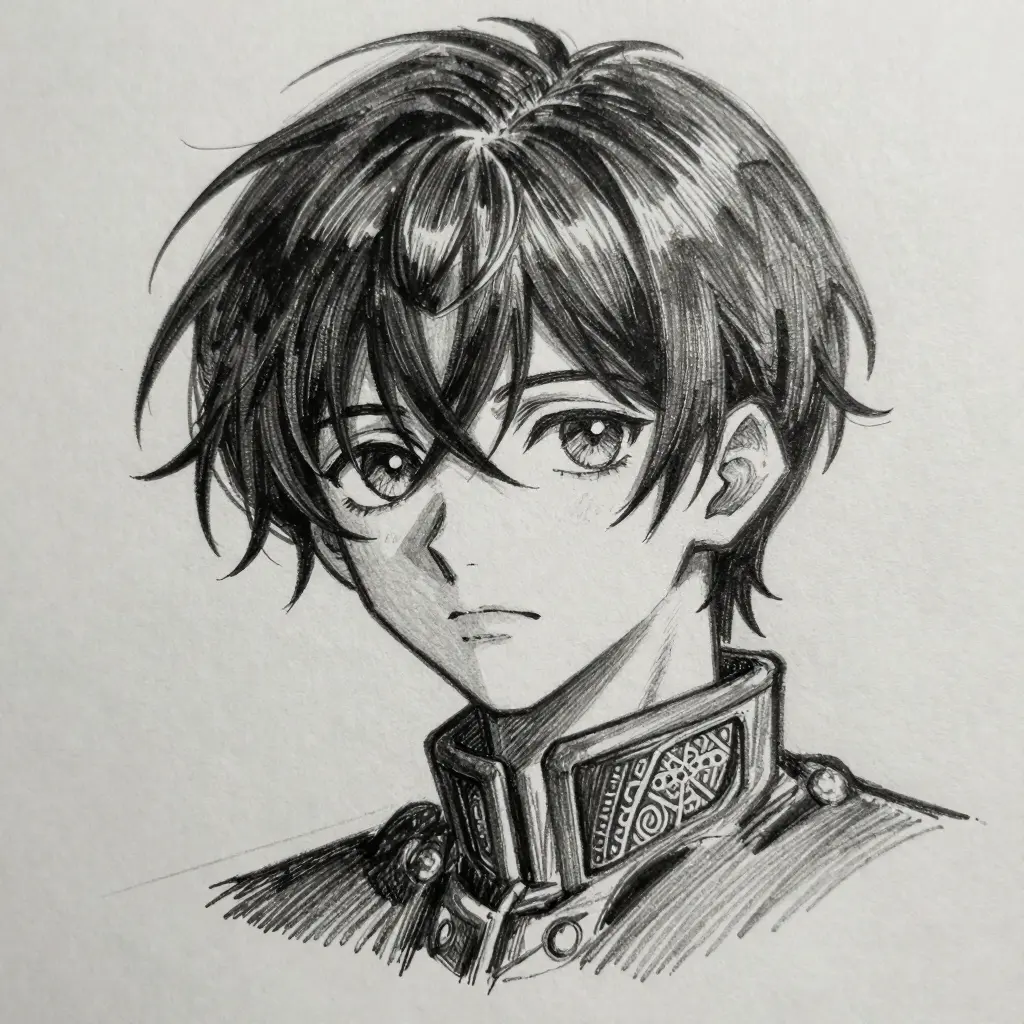

Have you ever looked at an anime character and thought, “I wish I could draw that”? You’re not alone. Many aspiring artists start their creative journey because they fell in love with anime’s expressive eyes, dynamic hairstyles, and unforgettable characters.
The good news is that anime drawing isn’t as difficult as it may seem. Every professional artist started with simple sketches and basic shapes. The secret isn’t talent—it’s practice, patience, and understanding the fundamentals.
In this guide, you’ll learn everything you need to know about anime drawing, from creating basic head shapes to adding details, shading, and personality to your artwork. Whether you’re a complete beginner or someone looking to improve your skills, this step-by-step guide will help you create better anime art with confidence.
Why Anime Drawing Is So Popular
Anime has become a global phenomenon. From action-packed adventures to emotional storytelling, anime offers unique visual styles that inspire millions of artists worldwide.
What makes anime drawing appealing is its balance between simplicity and creativity. Unlike realistic portraits, anime characters use stylized features that allow artists to express emotions more dramatically.
Some reasons people love anime drawing include:
- Easy-to-recognize character designs
- Endless opportunities for creativity
- Flexible art styles
- Strong emotional expressions
- Fun character customization
- Popularity of manga and anime culture
As you practice, you’ll discover your own artistic voice while learning the foundations of anime illustration.
equipment.
Understanding Anime Art Fundamentals
Start With Basic Shapes
Every anime character begins with simple geometric forms.
Instead of drawing details immediately, start with:
- Circles
- Ovals
- Squares
- Triangles
- Cylinders
These shapes help establish proportions and structure.
For example:
- Head = Circle
- Neck = Cylinder
- Torso = Rectangle
- Arms and Legs = Cylinders
Professional manga artists often use this approach because it creates a solid foundation.
Learn Proportions
Character proportions vary depending on age and style.
General anime proportions:
- Adult characters: 7–8 heads tall
- Teen characters: 6–7 heads tall
- Children: 4–5 heads tall
- Chibi characters: 2–3 heads tall
Understanding proportions helps create balanced and believable anime characters.
Step 1: Draw the Anime Head
The head is usually the starting point in anime drawing.
Create a Circle
Draw a light circle for the skull.
Next:
- Draw a vertical guideline down the center.
- Add a horizontal guideline for eye placement.
- Sketch the jawline beneath the circle.
The shape should resemble an upside-down egg.
Define the Face Shape
Different face shapes create different personalities.
Examples:
- Round face = Cute character
- Sharp jaw = Serious character
- Long face = Mature character
- Soft chin = Younger character
Experiment with various shapes to create unique designs.
Step 2: Draw Anime Eyes
Anime eyes are often the most recognizable feature.
Basic Eye Structure
A typical anime eye includes:
- Upper eyelid
- Iris
- Pupil
- Highlights
- Eyelashes
The eyes usually sit halfway down the head.
Tips for Better Eyes
- Make the upper eyelid thicker.
- Use highlights for sparkle.
- Keep both eyes aligned.
- Practice different expressions.
Large eyes often communicate innocence, while narrower eyes suggest confidence or mystery.
Common Eye Styles
Cute Anime Eyes
- Large pupils
- Rounded shape
- Multiple highlights
Serious Anime Eyes
- Smaller iris
- Sharp angles
- Minimal highlights
Villain Eyes
- Narrow shape
- Dark shading
- Intense gaze
Mastering eyes dramatically improves your anime drawing skills.
Step 3: Draw the Nose and Mouth
Anime noses are typically simplified.
Nose Styles
Popular options include:
- Small dot
- Tiny line
- Minimal shadow
- Simple angle
Mouth Styles
The mouth changes significantly with emotions.
Examples:
- Small smile
- Open laugh
- Frown
- Smirk
- Shocked expression
Avoid making the mouth too large unless the character is expressing strong emotion.
Step 4: Create Anime Hairstyles
Hair is one of the most exciting parts of anime drawing.
Think in Large Sections
Instead of drawing individual strands:
- Create the overall hairstyle shape.
- Divide it into large hair clumps.
- Add smaller details later.
Popular Anime Hairstyles
Short Hair
- Easy to draw
- Great for beginners
- Clean appearance
Spiky Hair
- Common in action anime
- Dynamic look
- Sharp shapes
Long Hair
- Elegant style
- Flowing movement
- More shading opportunities
Twin Tails
- Cute aesthetic
- Popular among female characters
- Expressive movement
Remember that hair should have volume and not sit flat against the skull.
Step 5: Draw the Anime Body
Once the head is complete, move to the body.
Sketch the Skeleton
Use stick figures to plan:
- Head position
- Shoulder width
- Spine curve
- Arm placement
- Leg position
This improves anatomy and posture.
Build the Body
Transform the skeleton into forms using:
- Cylinders
- Boxes
- Rounded shapes
Keep proportions consistent throughout the character.
Step 6: Draw Hands and Feet
Many beginners struggle with hands and feet.
The solution is simple: break them into shapes.
Drawing Hands
Start with:
- Palm block
- Finger guidelines
- Thumb placement
Practice common hand gestures such as:
- Open palm
- Fist
- Peace sign
- Pointing finger
Drawing Feet
Think of feet as wedges rather than complex structures.
Focus on:
- Direction
- Balance
- Perspective
Frequent practice leads to improvement.
Step 7: Add Clothing and Accessories
Clothing gives personality to your character.
Popular Anime Outfit Ideas
- School uniforms
- Fantasy armor
- Casual streetwear
- Hoodies
- Traditional Japanese clothing
- Sci-fi costumes
Drawing Fabric Folds
Folds typically appear around:
- Elbows
- Knees
- Waist
- Shoulders
Observe real clothing to understand how fabric behaves.
Accessories can include:
- Glasses
- Hats
- Jewelry
- Scarves
- Weapons
- Bags
These details help tell a story.
Understanding Anime Expressions
Great anime drawing isn’t just about anatomy.
Expressions create emotional connection.
Happy Expression
- Raised eyebrows
- Wide smile
- Bright eyes
Sad Expression
- Lower eyelids
- Small mouth
- Drooping eyebrows
Angry Expression
- Sharp eyebrows
- Tense mouth
- Intense eyes
Surprised Expression
- Open mouth
- Raised eyebrows
- Large eyes
Practice expressions regularly to bring your characters to life.
Anime Drawing Techniques for Better Results
Use Clean Line Art
Good line art improves readability.
Tips:
- Draw lightly during sketching.
- Use confident strokes.
- Avoid excessive scratching.
- Erase unnecessary guidelines.
Learn Perspective
Perspective creates depth.
Practice:
- One-point perspective
- Two-point perspective
- Three-point perspective
This helps when drawing backgrounds and dynamic scenes.
Understand Composition
Strong composition guides the viewer’s eye.
Consider:
- Character placement
- Negative space
- Balance
- Visual hierarchy
These principles elevate your artwork.
Shading and Coloring Anime Characters
Shading transforms a flat sketch into a polished illustration.
Basic Shading Process
- Identify the light source.
- Add shadows opposite the light.
- Blend transitions.
- Enhance contrast.
Common Anime Shading Styles
Cell Shading
- Sharp shadows
- Clean edges
- Popular in anime production
Soft Shading
- Smooth transitions
- Realistic appearance
- Painterly feel
Coloring Tips
Choose colors that complement your character’s personality.
Examples:
- Red = Energetic
- Blue = Calm
- Purple = Mysterious
- Yellow = Cheerful
- Black = Powerful
Color psychology can strengthen character design.
Common Anime Drawing Mistakes
Every artist makes mistakes.
Here are some common ones to avoid.
Uneven Eyes
Always use guidelines to maintain symmetry.
Flat Hair
Add volume above the scalp.
Poor Anatomy
Study basic human anatomy regularly.
Overcomplicated Details
Focus on fundamentals first.
Ignoring References
Reference images accelerate learning.
Improvement comes from recognizing and correcting mistakes.
How to Practice Anime Drawing Effectively
Random practice rarely produces fast results.
Instead, follow a structured routine.
Daily Practice Plan
15 Minutes
- Gesture drawing
15 Minutes
- Facial features
15 Minutes
- Hands and feet
15 Minutes
- Full character sketch
Consistency beats long, infrequent sessions.
Even thirty minutes per day can produce noticeable improvements within months.
Final Thoughts
Learning anime drawing is a journey, not a race. Every sketch, even the imperfect ones, contributes to your growth as an artist. The key is to focus on fundamentals, practice consistently, and enjoy the process.
Whether you’re sketching your favorite anime hero, designing an original manga character, or simply drawing for fun, each drawing session brings you one step closer to mastering the craft. Remember that even professional artists began with simple circles and rough sketches.