
Farming in 2026 is more competitive than ever. Rising input costs, changing weather patterns, and increasing pressure to improve crop yields mean farmers must make every decision count. One tool that continues to prove its value on farms of all sizes is the backpack sprayer.
Whether you’re managing a small vegetable garden, a fruit orchard, a commercial farm, or a greenhouse operation, choosing the right backpack sprayer can significantly improve efficiency and crop protection. From applying pesticides and herbicides to distributing fertilizers and fungicides, this versatile piece of equipment has become an essential farming companion.
In this comprehensive guide, we’ll explore everything farmers need to know about selecting the best backpack sprayer in 2026, including key features, different types, maintenance tips, and practical buying advice.
Why Every Farmer Needs a Backpack Sprayer
A backpack sprayer offers mobility, precision, and convenience. Unlike larger spraying equipment, it allows farmers to access tight spaces, uneven terrain, and smaller plots without difficulty.
The growing popularity of backpack sprayers isn’t surprising. Modern models are lighter, more durable, and more efficient than previous generations.
Key benefits include:
- Precise chemical application
- Reduced chemical waste
- Better crop coverage
- Lower operating costs
- Increased spraying efficiency
- Easy transportation
- Suitable for small and medium-sized farms
- Effective pest management
For farmers looking to maximize productivity while minimizing costs, a reliable backpack sprayer remains a smart investment.
Understanding Different Types of Backpack Sprayers
Not all sprayers are created equal. Understanding the various options available helps ensure you select the right model for your specific farming needs.
Manual Backpack Sprayers
Manual sprayers use a hand-operated pump to build pressure inside the tank.
Advantages:
- Affordable pricing
- Easy maintenance
- No batteries required
- Lightweight design
Best for:
- Home gardens
- Small farms
- Vegetable growers
- Occasional spraying tasks
However, manual pumping can become tiring during extended spraying sessions.
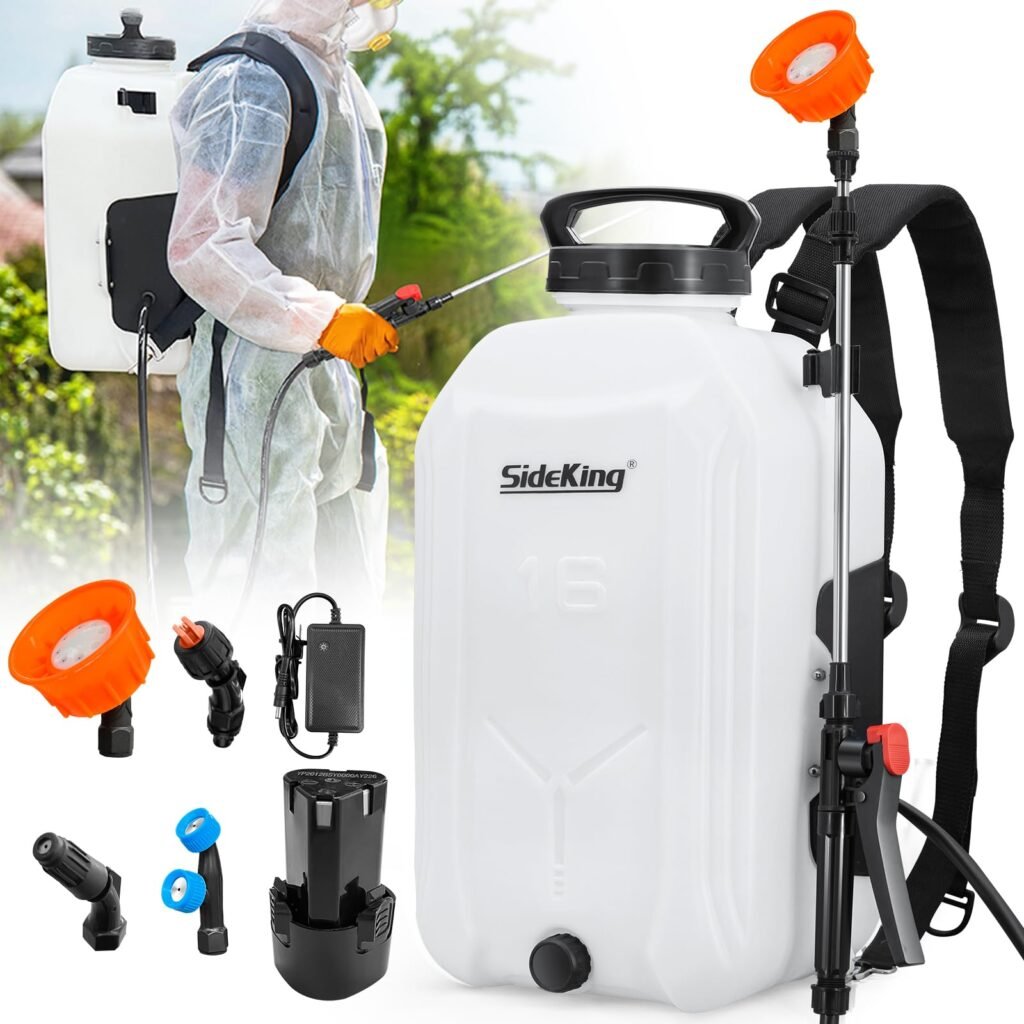
Battery-Powered Backpack Sprayers
Battery-operated models have become increasingly popular among farmers in 2026.
Advantages:
- Consistent spray pressure
- Reduced operator fatigue
- Improved coverage
- Time-saving performance
Best for:
- Medium-sized farms
- Orchard management
- Greenhouse operations
- Frequent spraying schedules
Many modern units include rechargeable lithium-ion batteries that provide several hours of continuous operation.
Motorized Backpack Sprayers
Motorized sprayers utilize gasoline engines to deliver powerful spraying performance.
Advantages:
- High-pressure spraying
- Extended range
- Suitable for large-scale operations
- Excellent canopy penetration
Best for:
- Large farms
- Commercial agriculture
- Tree crops
- Plantation management
While powerful, these units are heavier and require regular engine maintenance.
Key Features to Look for in a Backpack Sprayer
Choosing the best backpack sprayer involves more than simply comparing prices.
Here are the most important features to consider.
Tank Capacity
Tank size directly affects productivity.
| Tank Capacity | Suitable Use |
|---|---|
| 12 Liters | Home gardens |
| 16 Liters | Small farms |
| 20 Liters | Medium farms |
| 25+ Liters | Large agricultural operations |
A larger tank reduces refill frequency but increases carrying weight.
Spray Pressure
Consistent pressure ensures uniform application of chemicals.
Look for:
- Adjustable pressure control
- Pressure regulator systems
- Stable spray output
- Efficient pump mechanisms
Nozzle Options
Different crops require different spray patterns.
Common nozzle types include:
- Cone nozzles
- Flat fan nozzles
- Adjustable nozzles
- Mist nozzles
- Jet stream nozzles
The right nozzle improves coverage while reducing chemical drift.
Comfort and Ergonomics
Farmers often wear a backpack sprayer for several hours.
Essential comfort features include:
- Padded shoulder straps
- Adjustable harness systems
- Back support padding
- Lightweight frame
- Balanced weight distribution
Comfort directly impacts productivity during long workdays.
Chemical Resistance
Agricultural chemicals can be harsh on equipment.
Look for tanks made from:
- High-density polyethylene (HDPE)
- Corrosion-resistant materials
- UV-resistant plastics
These materials improve durability and longevity.
Best Uses of a Backpack Sprayer on the Farm
A modern backpack sprayer serves multiple purposes throughout the growing season.
Pest Control
Insect infestations can devastate crops.
A backpack sprayer allows precise application of:
- Insecticides
- Biological pest controls
- Organic pest treatments
Weed Management
Effective weed control improves crop growth and nutrient availability.
Farmers commonly use sprayers for:
- Herbicide application
- Spot treatment
- Fence-line weed control
- Row crop maintenance
Disease Prevention
Crop diseases spread quickly when left untreated.
Sprayers help distribute:
- Fungicides
- Preventive treatments
- Disease management solutions
Fertilizer Application
Many liquid fertilizers can be applied through a backpack sprayer.
Benefits include:
- Targeted nutrient delivery
- Improved plant absorption
- Reduced fertilizer waste
Backpack Sprayer vs. Boom Sprayer
Many farmers wonder whether they should invest in a backpack sprayer or a boom sprayer.
Backpack Sprayer Advantages
- Lower purchase cost
- Greater mobility
- Ideal for uneven terrain
- Easier maintenance
- Better for spot spraying
Boom Sprayer Advantages
- Covers large acreage quickly
- Higher productivity
- Less manual labor
For small and medium farms, a backpack sprayer often delivers the best balance between cost and efficiency.
Common Mistakes Farmers Make When Buying a Backpack Sprayer
Choosing the wrong equipment can lead to frustration and unnecessary expenses.
Buying Based Only on Price
Cheaper isn’t always better.
Low-cost units may suffer from:
- Poor seals
- Weak pumps
- Frequent breakdowns
Ignoring Weight
A fully loaded sprayer can become surprisingly heavy.
Always consider:
- Empty weight
- Filled weight
- Operator comfort
Overlooking Spare Parts Availability
Before purchasing, verify that replacement parts are readily available.
This includes:
- Pumps
- Seals
- Nozzles
- Hoses
- Straps
Choosing the Wrong Nozzle System
The nozzle determines spray quality.
A poor nozzle choice can lead to:
- Uneven coverage
- Increased chemical use
- Crop damage
Maintenance Tips for Longer Sprayer Life
Proper maintenance can significantly extend the lifespan of a backpack sprayer.
Clean After Every Use
Chemical residues can damage internal components.
Always:
- Empty remaining solution
- Rinse the tank
- Flush hoses
- Clean nozzles
Inspect Seals and Gaskets
Regular inspection helps prevent leaks.
Replace worn:
- O-rings
- Gaskets
- Valve seals
Store Properly
Store the sprayer in a cool, dry location away from direct sunlight.
This prevents:
- UV damage
- Plastic degradation
- Component wear
Lubricate Moving Parts
Pump systems perform better with regular lubrication.
Follow manufacturer recommendations for:
- Pump maintenance
- Piston lubrication
- Valve care
Emerging Backpack Sprayer Trends in 2026
Agricultural technology continues to evolve rapidly.
Several trends are shaping the future of backpack spraying equipment.
Smart Spraying Systems
New models feature:
- Digital pressure monitoring
- Flow-rate adjustment
- Spray tracking systems
These innovations improve accuracy and efficiency.
Eco-Friendly Applications
Environmental sustainability remains a priority.
Manufacturers are developing:
- Reduced-drift technology
- Precision spraying systems
- Water-saving designs
Advanced Battery Technology
Battery-powered units now offer:
- Faster charging
- Longer run times
- Improved energy efficiency
Many farmers are switching from manual models to battery-powered alternatives for this reason.
Lightweight Materials
Modern engineering has reduced overall equipment weight without sacrificing durability.
Benefits include:
- Greater comfort
- Improved productivity
- Less operator fatigue
How to Choose the Best Backpack Sprayer for Your Farm
Every farm is different, which means there is no universal solution.
Ask yourself these questions:
What Crops Do You Grow?
Different crops require different spraying approaches.
For example:
- Orchards may need high-pressure spraying.
- Vegetable farms often benefit from precision nozzles.
- Greenhouses require controlled mist application.
How Large Is Your Farm?
Farm size influences the ideal tank capacity and power source.
Small farms may be perfectly served by manual units, while larger operations often benefit from battery-powered or motorized systems.
What Chemicals Will You Use?
Certain chemicals require stronger seals and more durable materials.
Always verify chemical compatibility before purchasing.
How Often Will You Spray?
Frequent users should prioritize:
- Comfort
- Durability
- Battery life
- Maintenance support
Occasional users may find a basic manual model sufficient.
Signs It’s Time to Replace Your Backpack Sprayer
Even the best equipment eventually reaches the end of its service life.
Watch for:
- Frequent leaks
- Cracked tanks
- Pressure loss
- Broken straps
- Corroded components
- Poor spray performance
If repair costs continue rising, replacement often becomes the more economical option.
Practical Tips for Safe Spraying
Safety should always come first.
Follow these best practices:
- Wear protective clothing
- Use gloves and goggles
- Follow label instructions
- Avoid spraying during high winds
- Keep chemicals away from children
- Wash equipment after use
- Store chemicals safely
Responsible spraying protects both crops and operators.
Final Thoughts
The right backpack sprayer can make a noticeable difference in farm productivity, crop health, and overall efficiency. As farming technology continues to advance in 2026, farmers have access to more options than ever before—from affordable manual models to sophisticated battery-powered systems with smart features.