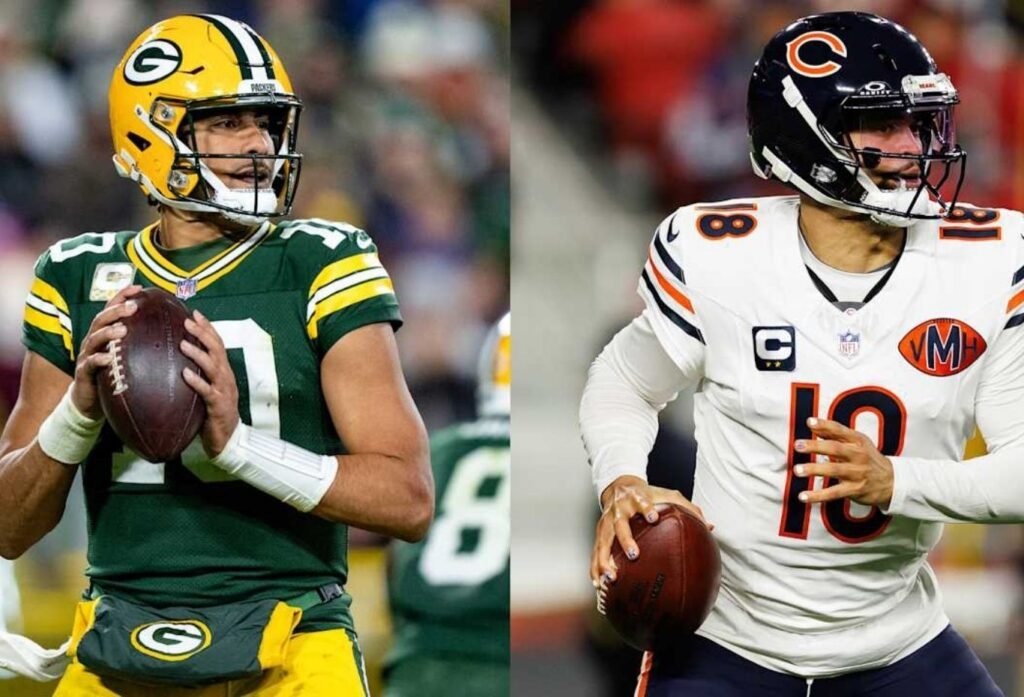

Few rivalries in the NFL carry the weight, history, and raw emotion of the clash between the Green Bay Packers and the Chicago Bears. It’s more than just a game—it’s legacy versus legacy, grit versus grit. And when you dive into the Green Bay Packers vs Chicago Bears match player stats, you uncover stories that go far beyond the scoreboard.
From quarterback duels to defensive dominance, every stat tells a tale. Whether you’re a die-hard fan, a fantasy football enthusiast, or just someone curious about how numbers translate into performance, this breakdown offers something meaningful.
Let’s unpack the numbers, patterns, and hidden truths behind this iconic matchup.
Why Player Stats Matter in This Historic Rivalry
Before we jump into the insights, it’s worth understanding why Green Bay Packers vs Chicago Bears match player stats matter so much.
Stats aren’t just numbers—they reflect:
- Player efficiency
- Coaching strategies
- Game momentum shifts
- Individual brilliance
- Team weaknesses
Moreover, in a rivalry as intense as this one, stats often reveal psychological edges. Who thrives under pressure? Who collapses? The answers are usually hidden in the data.
Quarterback Performance Defines the Game
Passing Yards and Decision-Making
One of the most revealing aspects of Green Bay Packers vs Chicago Bears match player stats is quarterback performance.
Typically, the Packers have leaned on strong quarterback play. High passing yards, solid completion percentages, and low interception rates often give them an edge.
Key metrics to watch:
- Passing yards per game
- Completion percentage
- Touchdown-to-interception ratio
- Quarterback rating (QBR)
In contrast, the Bears have sometimes relied more on mobility and short-yardage plays. This difference in offensive philosophy becomes obvious in the stats.
Insight:
When the Packers’ QB crosses the 250-yard mark with minimal turnovers, they usually control the game tempo.
Running Game Impact: Ground Control vs Air Attack
Rushing Yards Tell a Bigger Story
The Green Bay Packers vs Chicago Bears match player stats often show a fascinating contrast in rushing strategies.
The Bears traditionally emphasize:
- Power running
- Time-of-possession control
- Physical offensive line play
Meanwhile, the Packers use the run game to:
- Complement passing
- Open up play-action opportunities
Key Running Back Stats:
- Yards per carry
- Total rushing yards
- Red zone efficiency
- Broken tackles
Insight:
If the Bears dominate rushing yards, they usually slow down the game and keep the Packers’ offense off the field.
Wide Receivers and Big Play Potential
Explosive Plays Change Everything
In modern NFL games, explosive plays often decide outcomes. Looking at Green Bay Packers vs Chicago Bears match player stats, wide receiver performance stands out as a major factor.
Important metrics include:
- Receiving yards
- Yards after catch (YAC)
- Number of receptions
- Touchdowns
The Packers often excel in:
- Deep passing routes
- Stretching the defense
The Bears, however, focus on:
- Short passes
- Possession-based receiving
Insight:
A single 40+ yard reception can shift momentum instantly, and the Packers tend to generate more of these game-changing plays.
Defensive Stats Reveal Hidden Strengths
Tackles, Sacks, and Turnovers
Defense wins games—and the Green Bay Packers vs Chicago Bears match player stats prove it repeatedly.
Key defensive stats:
- Total tackles
- Sacks
- Interceptions
- Forced fumbles
- Pass deflections
The Bears are historically known for:
- Aggressive defense
- Strong linebacker presence
- Physical tackling
The Packers, on the other hand, focus on:
- Opportunistic turnovers
- Strategic pass rush
Insight:
Teams that win the turnover battle almost always win this matchup.
Third Down Efficiency Separates Winners
Conversion Rates Matter
One underrated but crucial element in Green Bay Packers vs Chicago Bears match player stats is third down efficiency.
This stat measures:
- Offensive consistency
- Defensive resilience
- Game control
Example Breakdown:
| Team | Third Down Conversion Rate | Impact |
|---|---|---|
| Packers | 45%+ | Sustains drives |
| Bears | 35%–40% | Relies on defense |
Insight:
Higher third down conversion rates lead to longer drives, more scoring opportunities, and better clock management.
Special Teams: The Silent Game-Changer
Field Position and Scoring Opportunities
Special teams often don’t get the spotlight—but they absolutely should.
In analyzing Green Bay Packers vs Chicago Bears match player stats, special teams play a subtle yet powerful role.
Important stats include:
- Field goal accuracy
- Punt average
- Kick return yards
- Starting field position
Insight:
A strong punt return or a missed field goal can swing momentum dramatically, especially in close games.
Penalties and Discipline Influence Outcomes
Mistakes That Cost Games
One of the most overlooked aspects of Green Bay Packers vs Chicago Bears match player stats is penalties.
Key stats:
- Number of penalties
- Yards lost
- Timing of penalties
Insight:
- A defensive pass interference call can extend drives
- Offensive holding can kill momentum
- Late-game penalties often decide outcomes
Disciplined teams consistently perform better in this rivalry.
Key Statistical Comparison Snapshot
Here’s a simplified overview based on typical trends:
| Category | Packers Strength | Bears Strength |
|---|---|---|
| Passing Game | Strong | Moderate |
| Rushing Game | Balanced | Strong |
| Defense | Opportunistic | Physical |
| Turnovers | Efficient | Aggressive |
| Special Teams | Consistent | Variable |
Advanced Metrics That Add Deeper Insight
To fully understand Green Bay Packers vs Chicago Bears match player stats, you also need to look beyond basic numbers.
Advanced Stats Include:
- Expected Points Added (EPA)
- Player efficiency rating
- Red zone conversion rate
- Pressure rate on quarterbacks
- Time of possession
Insight:
Advanced analytics often reveal why a team won—not just how.
Player Matchups That Define the Game
Key Battles to Watch
Every game has individual duels that shape the outcome.
For example:
- Quarterback vs secondary
- Running back vs defensive line
- Wide receiver vs cornerback
These matchups often determine:
- Scoring efficiency
- Defensive stops
- Big plays
How Coaching Strategy Shows Up in Stats
Coaching decisions are deeply reflected in Green Bay Packers vs Chicago Bears match player stats.
Strategic Elements:
- Play-calling tendencies
- Fourth-down decisions
- Defensive formations
- Clock management
Insight:
Smart coaching can maximize player strengths and minimize weaknesses, often visible in statistical trends.
Fan Perspective: What These Stats Really Mean
For fans, stats bring clarity to the chaos of the game.
They help answer questions like:
- Why did one team dominate possession?
- How did momentum shift?
- Which player truly made the difference?
Moreover, fantasy football players rely heavily on these insights to make decisions.
The Evolution of This Rivalry Through Stats
Over the years, Green Bay Packers vs Chicago Bears match player stats have evolved significantly.
Then vs Now:
- Earlier games focused on defense and rushing
- Modern games emphasize passing and speed
- Analytics now play a bigger role
Insight:
The rivalry remains intense, but the way it’s played has changed dramatically.
Common Patterns Observed in Recent Matchups
From recent statistical trends, we often see:
- Packers leading in passing efficiency
- Bears excelling in defensive pressure
- Close games decided by turnovers
- Momentum swings driven by big plays
Practical Takeaways for Fans and Analysts
If you’re analyzing Green Bay Packers vs Chicago Bears match player stats, focus on:
- Quarterback efficiency
- Turnover margin
- Third down success
- Defensive pressure
- Big play frequency
These elements consistently predict outcomes.
Conclusion: What the Numbers Really Tell Us
At first glance, football may seem unpredictable. However, when you dig into the Green Bay Packers vs Chicago Bears match player stats, patterns begin to emerge.
You start to see:
- How strategy influences performance
- Why certain players shine under pressure
- What separates winning teams from losing ones
Ultimately, stats don’t remove the excitement—they enhance it. They give context to every touchdown, every tackle, and every game-changing moment.
So next time these two teams face off, don’t just watch the game—read it. Look at the numbers, follow the trends, and you’ll experience the rivalry on a whole new level.