
The Middle East rarely stands still. Yet few political relationships have altered the region’s trajectory as dramatically as the one defined by Trump Iran policies.
When Donald Trump returned to the White House, analysts, diplomats, and investors immediately began asking the same question: What comes next for Iran, and how will those decisions affect the wider region?
The answer extends far beyond Washington and Tehran. From energy markets and military alliances to nuclear negotiations and proxy conflicts, every shift in US-Iran relations sends ripples across the globe.
Whether you support Trump’s approach or criticize it, one fact is impossible to ignore: the Trump Iran dynamic remains one of the most influential forces shaping Middle Eastern geopolitics.
This article explores seven major developments redefining regional power balances, security strategies, and diplomatic priorities.
Donald Trump Bio
| Detail | Information |
|---|---|
| Full Name | Donald John Trump |
| Date of Birth | June 14, 1946 |
| Age | 80 (as of 2026) |
| Profession | Politician, Businessman, Media Personality |
| Nationality | American |
| Net Worth (Approx.) | Estimated in the billions of US dollars |
| Notable Works / Achievements | 45th and 47th President of the United States, Real Estate Developer, Author of The Art of the Deal |
Understanding the Trump Iran Relationship
The modern Trump Iran story began during Trump’s first term in office. In 2018, he withdrew the United States from the Joint Comprehensive Plan of Action (JCPOA), commonly known as the Iran nuclear deal.
Trump argued that the agreement failed to address Iran’s ballistic missile program, regional influence, and support for proxy groups. Instead, his administration introduced a “maximum pressure” strategy built around economic sanctions and diplomatic isolation.
Supporters claimed the policy weakened Iran’s economy and limited its ability to fund regional operations. Critics argued it accelerated nuclear activity and increased instability.
Now, as the geopolitical landscape evolves, the consequences of those decisions continue to shape Middle Eastern affairs.
1. The Future of Iran’s Nuclear Program Remains Uncertain
Perhaps no issue defines the Trump Iran debate more than nuclear policy.
After the US withdrawal from the nuclear agreement, Iran gradually reduced its compliance with key commitments. Enrichment levels increased, inspections became more complicated, and diplomatic trust weakened.
Today, regional governments worry about several critical questions:
- Can a new agreement be reached?
- Will sanctions continue to intensify?
- Could military action become more likely?
- How will global powers respond?
The nuclear issue affects more than Iran alone. Countries across the Gulf Cooperation Council, along with Israel, closely monitor every development.
As uncertainty grows, so does the risk of miscalculation.
Why Nuclear Negotiations Matter
A stable agreement could:
- Reduce regional tensions
- Improve international trade opportunities
- Lower the risk of armed conflict
- Strengthen global non-proliferation efforts
However, negotiations remain difficult because both sides demand significant concessions.
2. Economic Sanctions Continue to Reshape Iran’s Economy
Economic pressure remains a central pillar of the Trump Iran strategy.
US sanctions target critical sectors, including:
- Oil exports
- Banking systems
- Shipping networks
- Energy infrastructure
- Foreign investment channels
These measures have had far-reaching effects on Iran’s economy.
Inflation, currency depreciation, unemployment, and reduced foreign investment have created ongoing challenges for ordinary citizens and businesses.
At the same time, sanctions have encouraged Iran to strengthen economic ties with non-Western partners and pursue alternative trade mechanisms.
Regional Impact of Sanctions
Economic restrictions influence neighboring countries as well.
For example:
- Energy supply chains become more volatile.
- Shipping routes face increased security concerns.
- Oil prices react to geopolitical uncertainty.
- International companies reassess investment decisions.
As a result, the Trump Iran economic relationship affects global markets, not just regional politics.
3. Israel-Iran Tensions Have Intensified
Another major consequence of Trump Iran policies is the evolving security relationship between Iran and Israel.
Israel has consistently viewed Iran’s nuclear ambitions and regional influence as direct threats to its national security.
Following the collapse of the nuclear agreement, cooperation between Washington and Israel strengthened around shared concerns.
Several developments have increased tensions:
- Cybersecurity confrontations
- Military operations in Syria
- Intelligence activities
- Missile defense coordination
- Expanded regional partnerships
The possibility of direct confrontation remains a key concern for policymakers worldwide.
The Role of Regional Deterrence
Both sides seek to maintain strategic deterrence while avoiding full-scale war.
However, in a region where multiple actors operate across various conflict zones, even a limited incident can escalate quickly.
This reality keeps the Trump Iran relationship at the center of global security discussions.
4. Gulf States Are Redefining Their Security Strategies
Saudi Arabia, the United Arab Emirates, Bahrain, and other Gulf nations closely follow every shift in US-Iran relations.
During Trump’s presidency, many Gulf leaders welcomed a tougher stance toward Tehran.
Yet recent years have shown that regional states increasingly want diversified security partnerships.
Instead of relying solely on traditional alliances, countries are pursuing:
- Independent foreign policies
- Defense modernization programs
- Economic diversification initiatives
- Diplomatic engagement with multiple powers
This strategic flexibility reflects changing regional realities.
A New Balance of Power
Middle Eastern governments now seek a balance between:
- Maintaining strong ties with Washington
- Avoiding direct conflict with Iran
- Expanding trade relationships
- Protecting energy infrastructure
The evolving Trump Iran framework continues to influence these decisions.
5. Proxy Conflicts Remain a Major Challenge
The Middle East’s most complex conflicts often involve indirect competition rather than direct warfare.
Iran maintains relationships with various regional groups across countries such as:
- Iraq
- Syria
- Lebanon
- Yemen
Meanwhile, the United States and its allies support different partners and security initiatives.
This creates overlapping spheres of influence that complicate diplomacy.
How Proxy Conflicts Affect the Region
Proxy confrontations can disrupt:
- Maritime security
- Energy exports
- Humanitarian operations
- Counterterrorism efforts
- Peace negotiations
Critics argue that the Trump Iran pressure campaign failed to reduce these activities significantly.
Supporters counter that economic restrictions limited available resources.
Either way, proxy conflicts remain a defining feature of Middle Eastern geopolitics.
6. Global Energy Markets Face Ongoing Uncertainty
Energy security and the Trump Iran relationship are deeply connected.
Iran possesses some of the world’s largest oil and natural gas reserves. Any change in sanctions policy immediately affects market expectations.
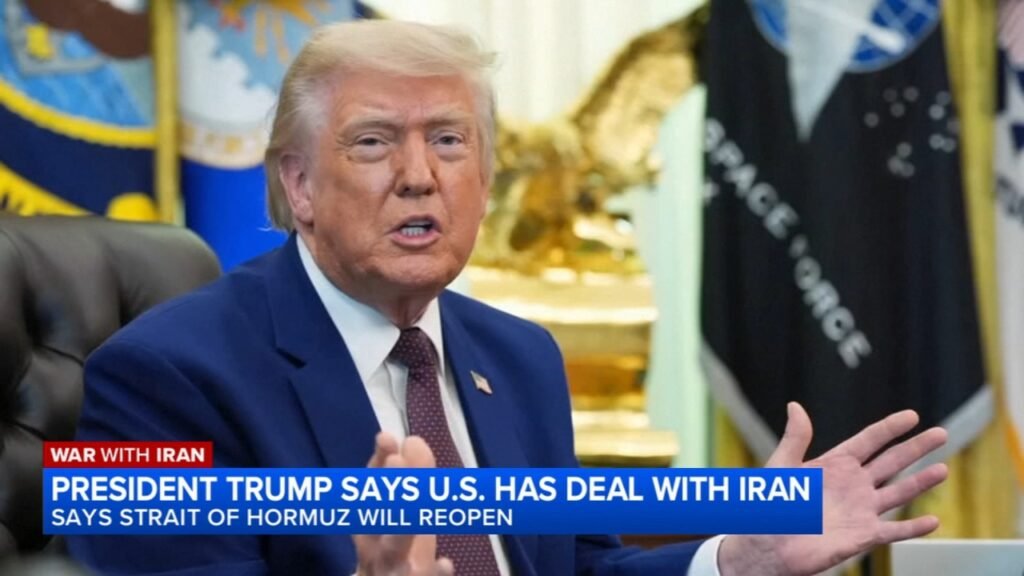
When tensions rise, investors watch key shipping routes closely, especially the Strait of Hormuz.
This narrow waterway handles a significant portion of global energy shipments.
Even the possibility of disruption can influence:
- Crude oil prices
- Natural gas markets
- Shipping insurance costs
- Inflation rates
- Consumer energy bills
Why Businesses Pay Attention
Multinational corporations, airlines, manufacturers, and logistics companies monitor developments closely because geopolitical risk often translates into higher operating costs.
As a result, the impact of Trump Iran policies reaches consumers far beyond the Middle East.
7. China and Russia Are Expanding Their Influence
Perhaps the most significant long-term development involves changing global alliances.
As relations between Washington and Tehran remain strained, Iran has strengthened partnerships with China and Russia.
These relationships include cooperation in areas such as:
- Energy investment
- Infrastructure development
- Defense coordination
- Technology exchanges
- Regional diplomacy
This shift reflects a broader trend toward multipolar competition.
The Emerging Geopolitical Landscape
The Middle East is no longer shaped solely by US influence.
Today, multiple global powers compete for strategic advantages.
This creates both opportunities and challenges for regional governments seeking economic growth and political stability.
The future of the Trump Iran relationship will likely influence how these partnerships evolve over the coming years.
Key Factors to Watch Moving Forward
Several issues will determine the next chapter in US-Iran relations.
Diplomatic Negotiations
Will both sides return to formal talks, or will mistrust continue to block progress?
Nuclear Development
How quickly Iran advances its nuclear capabilities will remain a major concern.
Regional Security
Events in Iraq, Syria, Lebanon, Yemen, and the Persian Gulf could influence future policy decisions.
Energy Markets
Changes in sanctions or military tensions may affect global oil prices.
Great Power Competition
China and Russia will continue seeking greater influence across the region.
The Bigger Picture: Why Trump Iran Matters Globally
The Trump Iran issue is not simply a bilateral disagreement.
It touches nearly every major international challenge:
- Nuclear non-proliferation
- Global trade
- Energy security
- Military alliances
- Counterterrorism
- International diplomacy
- Supply chain resilience
For businesses, investors, policymakers, and ordinary citizens, understanding these dynamics has become increasingly important.
What happens between Washington and Tehran influences far more than headlines.
It affects fuel prices, financial markets, regional stability, and global security.
Conclusion
The Middle East is entering a new era marked by shifting alliances, economic competition, and strategic uncertainty.
The seven developments discussed here demonstrate why the Trump Iran relationship remains one of the world’s most closely watched geopolitical stories.
From nuclear negotiations and sanctions to proxy conflicts and energy markets, each decision carries consequences that extend well beyond the region.