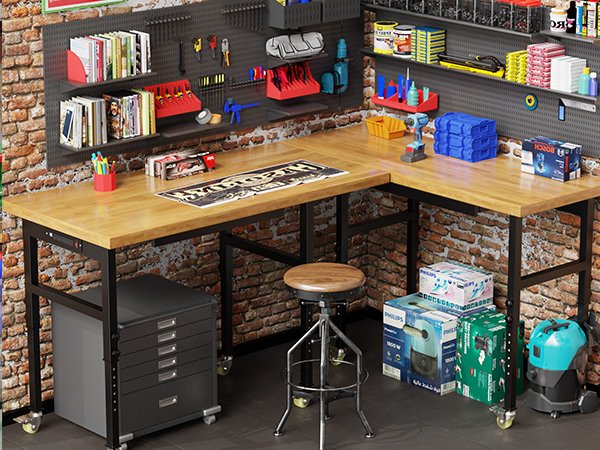

A solid workspace can completely change the way you work. Whether you’re fixing furniture, building DIY crafts, or managing heavy-duty repairs in your garage, the right work bench becomes the heart of your productivity. It’s not just a table—it’s where ideas turn into real, tangible results.
But here’s the thing: choosing a work bench isn’t as simple as picking the first sturdy-looking table you see. There are materials, sizes, load capacities, and features that can either make your projects easier or slow you down. And honestly, most people only realize this after they’ve already bought the wrong one.
So, let’s walk through everything you need to know in a practical, no-nonsense way so you can confidently pick the best work bench for your needs.
Why a Good Work Bench Matters
A proper work bench is more than just furniture. It’s the foundation of your workspace. Without it, even simple tasks like measuring, cutting, or assembling become frustrating.
A well-designed work bench helps with:
- Better organization of tools and materials
- Improved safety during heavy tasks
- Increased accuracy in woodworking or repairs
- Reduced fatigue during long working hours
- Faster project completion
If you’ve ever tried working on a shaky table or uneven surface, you already know how important stability is. That’s why investing in the right work bench is not optional—it’s essential.
Types of Work Bench You Should Know
Before buying, it helps to understand the different types available. Each work bench serves a different purpose, and choosing the right one depends on your work style.
Heavy-Duty Work Bench
This type is built for strength. It’s commonly used in industrial setups and garages. A heavy-duty work bench can handle large tools, machinery, and rough use without wobbling.
Woodworking Work Bench
Designed for carpenters and DIY enthusiasts, this work bench often includes clamps, vices, and smooth surfaces for precise cutting and shaping.
Garage Work Bench
A garage-style work bench is versatile. It’s ideal for repairs, car maintenance, and general storage of tools.
Portable Work Bench
Lightweight and foldable, this work bench is perfect for people who move around or have limited space.
Adjustable Work Bench
This modern option allows height adjustment, making the work bench more ergonomic and comfortable.
How to Choose the Best Work Bench
Choosing the right work bench depends on several practical factors. Let’s break it down so you don’t get overwhelmed.
1. Purpose of Use
Ask yourself: what will I actually use this work bench for?
- Woodworking
- Metalwork
- DIY home repairs
- Professional workshop tasks
Your purpose determines everything else.
2. Size and Space Availability
A work bench should fit your workspace comfortably. Measure your garage or room before buying.
A good rule is:
- Small space → compact or folding work bench
- Large workshop → full-size heavy-duty work bench
3. Weight Capacity
Not all benches are built equal. If you’re working with heavy tools, choose a work bench that can handle high load capacity without bending or shaking.
4. Material Quality
The material defines durability. A strong work bench usually comes in:
- Solid hardwood
- Steel frame
- Laminated MDF top
- Reinforced metal surfaces
Materials Used in a Work Bench
The material of your work bench affects both performance and lifespan. Let’s look at common options.
Hardwood Work Bench
A classic choice. It’s durable, stable, and perfect for woodworking tasks.
Metal Work Bench
This type is extremely strong and ideal for industrial use. A metal work bench is resistant to wear and tear.
MDF or Laminated Surface
Budget-friendly but still practical. A laminated work bench is smooth and easy to clean.
Hybrid Work Bench
Combines wood and steel for balance between strength and flexibility.
Key Features to Look For
When buying a work bench, features can make a huge difference in usability.
Built-in Storage
Drawers and shelves help keep tools organized.
Vise or Clamping System
Essential for woodworking and precision tasks.
Adjustable Height
A modern work bench often allows height adjustments for comfort.
Anti-Slip Surface
Prevents tools from sliding during work.
Wheels or Mobility System
A mobile work bench is great for flexible workspaces.
Comparison Table: Work Bench Types
| Type | Best For | Strength | Portability | Price Range |
|---|---|---|---|---|
| Heavy-Duty Work Bench | Industrial use | Very High | Low | High |
| Woodworking Work Bench | Carpentry | High | Medium | Medium |
| Garage Work Bench | Repairs & storage | Medium | Low | Medium |
| Portable Work Bench | Small spaces | Medium | Very High | Low |
| Adjustable Work Bench | Ergonomic use | High | Medium | High |
Common Mistakes to Avoid
Many people regret their work bench purchase because of simple mistakes.
- Ignoring weight capacity
- Choosing the wrong size
- Overlooking storage needs
- Buying based on price only
- Forgetting workspace layout
A good work bench should match your workflow, not just your budget.
Budget Considerations
A work bench can range from affordable to premium depending on features.
- Budget range: Basic folding or MDF work bench
- Mid-range: Strong wooden or hybrid work bench
- Premium: Heavy-duty steel or adjustable professional work bench
Think long-term. Sometimes spending a bit more saves you from replacing your work bench too soon.
Final Thoughts
A well-chosen work bench can completely transform how you approach your projects. It improves efficiency, keeps your tools organized, and makes every task smoother and more enjoyable.
Whether you’re a hobbyist or a professional, investing in the right work bench is one of the smartest decisions you can make for your workspace. Don’t rush the process—think about your needs, your space, and your long-term goals.
At the end of the day, the best work bench is the one that fits your workflow perfectly and grows with your skills.