
Buying a new fridge used to be simple. You walked into a store, picked a model that fit your kitchen, and brought it home. In 2026, however, the process is very different. Modern refrigerators come packed with smart technology, energy-saving systems, advanced cooling features, and a wide range of designs. While these innovations are exciting, they can also make the decision overwhelming.
If you’re planning to replace an old appliance or furnish a new home, choosing the right fridge is one of the most important purchases you’ll make. After all, it’s an appliance that runs 24 hours a day and directly affects food freshness, electricity bills, and kitchen convenience.
The good news is that finding the perfect refrigerator doesn’t have to be complicated. Once you understand the key factors that matter, you can confidently select a model that suits your lifestyle, budget, and space.
This guide will walk you through everything you need to know about choosing the right fridge in 2026.
Why Choosing the Right Fridge Matters
A refrigerator is one of the hardest-working appliances in any home. Unlike many household devices, it never takes a break.
The right fridge can:
- Keep food fresher for longer
- Reduce food waste
- Lower energy consumption
- Improve kitchen organization
- Save money on utility bills
- Increase home value
- Enhance daily convenience
On the other hand, choosing the wrong refrigerator can lead to wasted space, higher electricity costs, and constant frustration.
That’s why taking the time to compare features and understand your needs is essential.
Understand Your Household Needs First
Before comparing brands and features, think about how your family actually uses a fridge.
Ask yourself:
- How many people live in your home?
- Do you cook frequently?
- Do you buy groceries weekly or monthly?
- Do you need extra freezer storage?
- Do you entertain guests often?
- Do you prefer fresh foods or frozen meals?
A single person living in an apartment has very different refrigeration needs than a family of six.
Understanding your habits helps narrow down the options quickly.
Measure Your Kitchen Space Carefully
One of the most common mistakes buyers make is purchasing a refrigerator that doesn’t fit properly.
Important Measurements to Check
Width
Measure the available width where the fridge will be installed.
Height
Check cabinet clearance above the refrigerator.
Depth
Make sure doors can open fully without hitting walls or counters.
Door Clearance
Account for swing space needed to access shelves and drawers.
Quick Measurement Checklist
| Measurement | Why It Matters |
|---|---|
| Width | Ensures proper fit |
| Height | Prevents cabinet interference |
| Depth | Maintains kitchen flow |
| Door Swing | Allows easy access |
| Ventilation Space | Improves performance |
Always leave a few inches around the fridge for airflow and ventilation.
Choose the Best Fridge Type
The refrigerator market in 2026 offers several styles.
Each serves different needs.
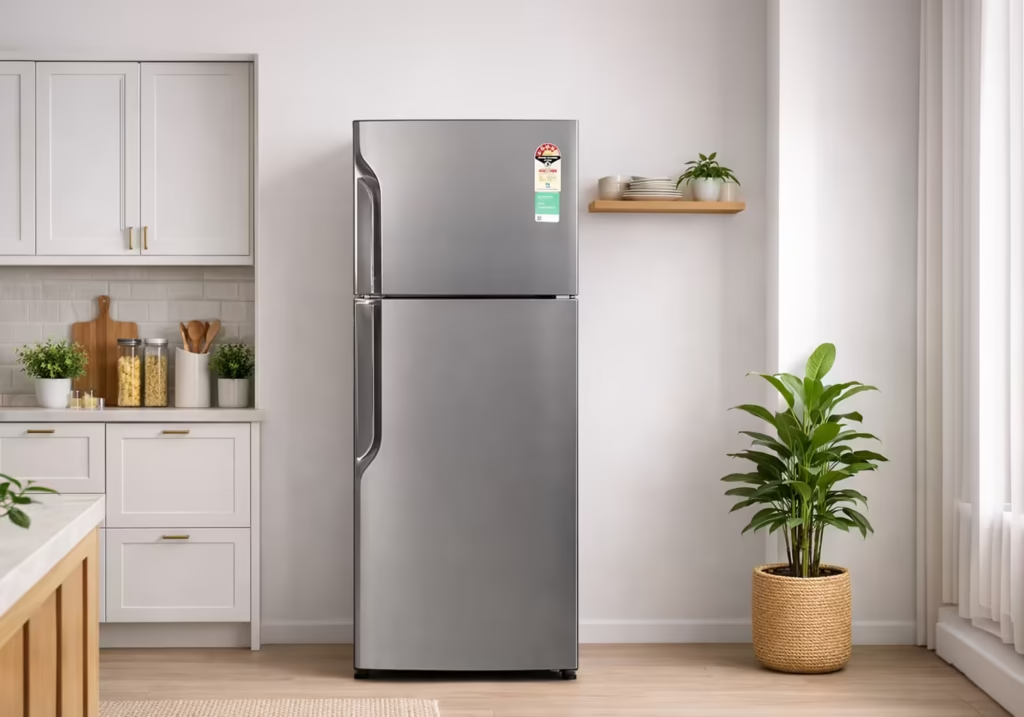
Top Freezer Refrigerator
This classic design remains popular because it’s affordable and efficient.
Benefits:
- Lower purchase price
- Excellent energy efficiency
- Reliable performance
- Easy maintenance
Best for:
- Budget-conscious households
- Small families
- Rental properties
Bottom Freezer Refrigerator
With the freezer below, fresh food stays at eye level.
Benefits:
- Better accessibility
- Convenient organization
- Modern appearance
Best for:
- Families who use fresh ingredients frequently
Side-by-Side Refrigerator
These models split the refrigerator and freezer vertically.
Benefits:
- Easy access to frozen foods
- Narrow door swing
- Large storage capacity
Best for:
- Narrow kitchens
- Homes with limited clearance
French Door Refrigerator
One of the most popular choices in 2026.
Benefits:
- Premium design
- Wide shelves
- Flexible storage
- Excellent visibility
Best for:
- Large families
- Modern kitchens
Smart Refrigerator
Technology has transformed the modern fridge.
Features may include:
- Touchscreen displays
- Internal cameras
- Voice control
- Inventory tracking
- Remote temperature control
- Smart home integration
Best for:
- Tech enthusiasts
- Connected homes
Consider Storage Capacity
Size matters, but capacity matters more.
A larger refrigerator isn’t always better.
Recommended Capacity
| Household Size | Suggested Capacity |
| 1-2 People | 10-15 Cubic Feet |
| 3-4 People | 16-22 Cubic Feet |
| 5+ People | 22-30+ Cubic Feet |
Think about your shopping habits.
If you bulk-buy groceries, you’ll need more storage.
If you shop frequently, a smaller fridge may be sufficient.
Focus on Energy Efficiency
Energy efficiency is more important than ever in 2026.
Since a refrigerator runs continuously, even small efficiency improvements can save significant money over time.
Look for These Features
- Energy-efficient compressor
- Inverter technology
- Eco mode
- LED lighting
- Advanced insulation
- Smart temperature management
An efficient fridge reduces electricity bills while minimizing environmental impact.
Evaluate Cooling Technology
Modern refrigeration systems are far more advanced than older models.
Multi-Air Flow Systems
These distribute cold air evenly throughout the refrigerator.
Benefits:
- Consistent temperature
- Better food preservation
- Reduced spoilage
Dual Cooling Systems
Separate cooling circuits for the refrigerator and freezer.
Advantages include:
- Better humidity control
- Fresher produce
- Less odor transfer
Temperature Zones
Some refrigerators offer customizable compartments.
These can store:
- Meat
- Dairy
- Fruits
- Vegetables
- Beverages
at their ideal temperatures.
Check Freezer Performance
Many buyers focus heavily on the refrigerator section while ignoring freezer quality.
A good freezer should offer:
- Fast freezing capability
- Frost-free technology
- Adjustable shelves
- Ice maker options
- Deep storage drawers
If frozen food makes up a large portion of your diet, freezer functionality becomes even more important.
Smart Features Worth Considering
Not every smart feature is useful.
Some genuinely improve convenience.
Internal Cameras
Check your groceries remotely while shopping.
Inventory Management
Track expiration dates and food availability.
Voice Assistant Compatibility
Control settings using voice commands.
Mobile App Control
Adjust temperatures from your smartphone.
Maintenance Alerts
Receive notifications about filter replacements and diagnostics.
Choose smart features that solve real problems rather than flashy gimmicks.
Think About Food Preservation
Food preservation technology has become a major selling point.
Advanced refrigerators now offer:
- Humidity-controlled crisper drawers
- Freshness sensors
- Air purification systems
- Antibacterial coatings
- Odor reduction filters
These features can significantly extend the shelf life of fruits, vegetables, dairy products, and leftovers.
Water and Ice Dispensers
Many premium refrigerator models include built-in dispensers.
Benefits:
- Convenient hydration
- Filtered water
- Automatic ice production
However, they may:
- Increase purchase price
- Require maintenance
- Reduce storage space slightly
Decide whether the convenience justifies the trade-off.
Noise Levels Matter More Than You Think
A noisy fridge can become annoying over time.
This is especially true in:
- Open-plan homes
- Apartments
- Studio living spaces
Look for:
- Quiet compressor technology
- Low decibel ratings
- Inverter compressors
Modern refrigerators are generally much quieter than older models.
Interior Organization Features
Good organization improves daily convenience.
Look for:
- Adjustable shelves
- Foldable shelves
- Door bins
- Slide-out drawers
- Gallon storage compartments
- Wine racks
- Snack zones
The best fridge isn’t always the largest—it’s the one that uses space efficiently.
Compare Build Quality
A refrigerator is a long-term investment.
Pay attention to construction quality.
Exterior Materials
Popular options include:
- Stainless steel
- Fingerprint-resistant steel
- Glass finish
- Matte finish
- Black stainless steel
Interior Materials
Look for:
- Durable shelving
- Reinforced drawers
- Strong hinges
- Quality seals
Well-built refrigerators typically last longer and require fewer repairs.
Understanding Compressor Technology
The compressor is the heart of every fridge.
Conventional Compressor
- Lower upfront cost
- Basic cooling performance
Inverter Compressor
- Better energy efficiency
- Quieter operation
- Longer lifespan
- Improved temperature stability
Most experts recommend inverter technology in 2026.
Budget Planning for a New Fridge
Prices vary significantly.
Entry-Level Models
Ideal for:
- Small households
- Rental units
- Basic needs
Mid-Range Models
Offer:
- Better efficiency
- Enhanced storage
- Improved durability
Premium Models
Include:
- Smart technology
- Advanced cooling systems
- Luxury finishes
- Larger capacities
Remember that the cheapest refrigerator isn’t always the most economical over its lifetime.
Common Mistakes to Avoid
Many buyers regret their purchase because they overlook important factors.
Avoid these common mistakes:
- Ignoring kitchen measurements
- Choosing style over function
- Overpaying for unnecessary features
- Buying too much capacity
- Underestimating freezer needs
- Ignoring energy ratings
- Forgetting door clearance
- Overlooking warranty coverage
A little planning can prevent years of inconvenience.
Features That Are Trending in 2026
The refrigerator industry continues to evolve.
Some of the biggest trends include:
AI-Powered Cooling
Artificial intelligence adjusts cooling patterns based on usage habits.
Smart Home Connectivity
Seamless integration with connected appliances.
Sustainable Refrigeration
Eco-friendly refrigerants and reduced energy consumption.
Modular Storage
Customizable shelves and compartments.
Advanced Food Monitoring
Real-time freshness tracking and spoilage alerts.
These innovations make the modern fridge smarter, more efficient, and more convenient than ever.
How Long Should a Fridge Last?
A quality refrigerator typically lasts between 10 and 20 years.
Factors affecting lifespan include:
- Build quality
- Maintenance habits
- Compressor type
- Usage frequency
- Environmental conditions
Regular cleaning and proper temperature settings can extend the life of your fridge considerably.
Quick Buying Checklist
Before making your final decision, ensure your fridge meets these criteria:
- Fits available kitchen space
- Matches household size
- Offers sufficient freezer storage
- Has strong energy efficiency ratings
- Includes useful smart features
- Provides flexible shelving
- Operates quietly
- Fits your budget
- Comes with a solid warranty
- Uses modern cooling technology
Checking these boxes greatly increases the chances of long-term satisfaction.
Final Thoughts
Choosing the right fridge in 2026 is about much more than picking an attractive appliance. The ideal refrigerator should fit your kitchen, support your lifestyle, preserve food effectively, and operate efficiently for years to come.
Whether you’re considering a French door refrigerator, a side-by-side model, a smart fridge, or a traditional top-freezer design, taking the time to evaluate your needs will pay off in the long run. Focus on storage capacity, energy efficiency, cooling performance, durability, and practical features rather than simply chasing the newest trend.