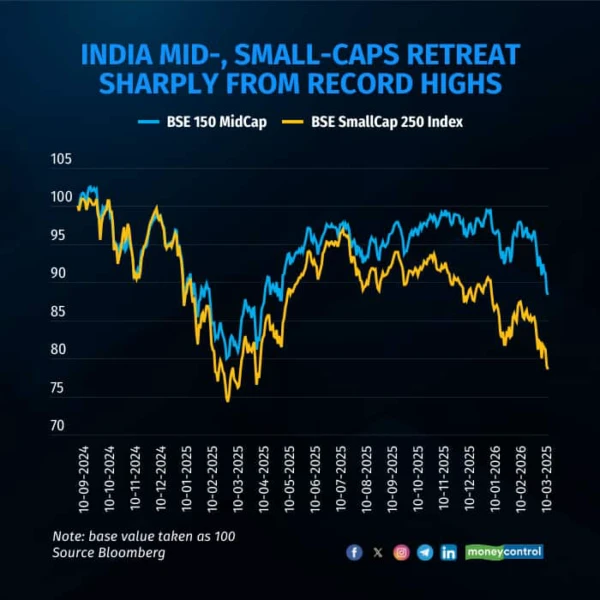

Investing in the stock market often feels like standing at a crossroads. One path leads to established blue-chip companies that offer stability, while the other opens the door to smaller businesses with the potential for explosive growth. For investors seeking opportunities beyond large-cap stocks, the BSE Small Cap Index serves as an important benchmark.
But what exactly is the BSE Small Cap Index? Why do investors, analysts, and fund managers pay close attention to it? More importantly, can it help you identify promising investment opportunities?
In this comprehensive guide, we’ll break down everything you need to know about the BSE Small Cap Index, from its composition and methodology to its advantages, risks, and investment strategies. Whether you’re a beginner or an experienced investor, understanding this index can help you make more informed financial decisions.
What Is the BSE Small Cap Index?
The BSE Small Cap Index is a stock market index maintained by the Bombay Stock Exchange (BSE). It tracks the performance of small-cap companies listed on the exchange.
Small-cap companies are generally businesses with relatively lower market capitalization compared to large-cap and mid-cap firms. Although they may not have the financial strength of industry giants, many small-cap companies operate in emerging sectors and possess significant growth potential.
The primary purpose of the BSE Small Cap Index is to provide investors with a benchmark that reflects the overall performance of the small-cap segment of the Indian equity market.
Understanding Small-Cap Stocks
Before diving deeper into the index, it’s essential to understand what small-cap stocks are.
Small-cap stocks are shares of companies that fall below large-cap and mid-cap firms in terms of market value. These businesses are often:
- Growing rapidly
- Expanding into new markets
- Innovating within niche industries
- Less covered by analysts
- More volatile than established companies
While they carry higher risk, they also offer the possibility of higher returns over the long term.
Why the BSE Small Cap Index Matters
The BSE Small Cap Index is more than just a collection of stocks. It serves multiple purposes for investors and market participants.
Key Benefits
- Measures performance of India’s small-cap sector
- Helps investors track market trends
- Serves as a benchmark for mutual funds
- Provides insights into economic growth
- Assists portfolio diversification
When the BSE Small Cap Index performs well, it often indicates growing investor confidence in emerging businesses and future economic expansion.
How the BSE Small Cap Index Is Constructed
The methodology behind the BSE Small Cap Index is designed to ensure that it accurately represents the small-cap market segment.
Selection Criteria
Companies included in the index are selected based on:
- Market capitalization
- Trading frequency
- Liquidity
- Free-float market capitalization
- Regulatory compliance
Free-Float Market Capitalization Method
The index uses the free-float market capitalization method, meaning only shares available for public trading are considered.
This approach provides a more realistic representation of the market by excluding promoter holdings and locked-in shares.
Difference Between Large Cap, Mid Cap, and Small Cap Stocks
Understanding where the BSE Small Cap Index fits within the broader market structure is important.
| Category | Characteristics | Risk Level | Growth Potential |
|---|---|---|---|
| Large Cap | Established market leaders | Low | Moderate |
| Mid Cap | Growing companies | Medium | High |
| Small Cap | Emerging businesses | High | Very High |
Small-cap stocks often experience larger price swings, but they can generate substantial returns if the companies succeed.
Key Features of the BSE Small Cap Index
Several characteristics make the BSE Small Cap Index unique.
Broad Market Representation
The index covers a wide range of industries, including:
- Manufacturing
- Pharmaceuticals
- Information technology
- Chemicals
- Engineering
- Consumer goods
- Financial services
- Renewable energy
Growth-Oriented Constituents
Many companies in the index are still in expansion mode, making them attractive for growth-focused investors.
Dynamic Composition
The index is reviewed periodically, ensuring that it remains representative of the evolving small-cap universe.
Major Sectors Represented in the BSE Small Cap Index
One reason investors appreciate the BSE Small Cap Index is its sector diversity.
Manufacturing
India’s industrial growth often fuels opportunities among manufacturing companies.
Healthcare and Pharmaceuticals
Several emerging pharmaceutical and healthcare businesses form part of the index.
Technology
Smaller IT firms often benefit from digital transformation trends and outsourcing demand.
Chemicals
India’s specialty chemical sector has become a major contributor to small-cap growth.
Consumer Products
Rising disposable income continues to support consumer-focused businesses.
Historical Performance of the BSE Small Cap Index
The performance of the BSE Small Cap Index has historically been characterized by periods of strong growth accompanied by higher volatility.
During bullish market phases, small-cap stocks frequently outperform large-cap counterparts. However, during economic uncertainty, they can experience sharper declines.
Long-Term Growth Potential
Many investors favor the BSE Small Cap Index because:
- Small companies can grow faster
- Market inefficiencies create opportunities
- Emerging sectors often begin in the small-cap space
- Successful firms may eventually become mid-cap or large-cap leaders
Patience is often rewarded when investing in quality small-cap businesses.
Advantages of Investing in the BSE Small Cap Index
1. Higher Growth Potential
Small companies often have more room for expansion compared to mature corporations.
2. Portfolio Diversification
Exposure to the BSE Small Cap Index can reduce concentration risk by adding different sectors and business models.
3. Opportunity to Discover Future Leaders
Many of today’s large corporations began as small-cap companies.
4. Potential for Superior Returns
Historically, select small-cap stocks have delivered impressive long-term returns.
5. Participation in Emerging Industries
New industries frequently emerge within the small-cap segment before becoming mainstream.
Risks Associated With the BSE Small Cap Index
While opportunities are attractive, investors must recognize the risks.
Market Volatility
The BSE Small Cap Index can experience significant price fluctuations.
Liquidity Risk
Some small-cap stocks may have lower trading volumes.
Business Risk
Smaller firms often have limited resources compared to larger competitors.
Economic Sensitivity
Small businesses may be more vulnerable during economic slowdowns.
Information Gaps
Analyst coverage is often lower for small-cap companies.
For these reasons, thorough research remains critical.
Who Should Invest in the BSE Small Cap Index?
The BSE Small Cap Index is not suitable for everyone.
It may be appropriate for investors who:
- Have a long investment horizon
- Can tolerate market volatility
- Seek capital appreciation
- Want exposure to emerging companies
- Understand equity market risks
Conversely, investors seeking stable income may prefer large-cap or dividend-oriented investments.
Ways to Invest in the BSE Small Cap Index
There are several methods available.
Direct Stock Investing
Investors can purchase individual companies that are part of the index.
Pros:
- Greater control
- Potential for higher returns
Cons:
- Requires extensive research
- Higher risk
Small-Cap Mutual Funds
Mutual funds managed by professionals often invest in stocks represented within the BSE Small Cap Index.
Benefits include:
- Diversification
- Professional management
- Reduced company-specific risk
Index Funds
Index funds aim to replicate the performance of the BSE Small Cap Index.
Advantages:
- Lower expenses
- Passive investing approach
- Broad market exposure
Exchange-Traded Funds (ETFs)
ETFs provide a convenient way to gain exposure to small-cap stocks through stock exchanges.
Factors That Influence the BSE Small Cap Index
Several economic and market factors affect index performance.
Interest Rates
Lower rates often encourage investment in growth-oriented companies.
Economic Growth
Strong GDP growth can support small business expansion.
Corporate Earnings
Profit growth generally drives stock prices higher.
Government Policies
Infrastructure spending, tax reforms, and business incentives can influence small-cap performance.
Investor Sentiment
Market confidence often impacts the BSE Small Cap Index more significantly than large-cap benchmarks.
Tips for Investing in the BSE Small Cap Index
Focus on Long-Term Growth
Short-term volatility is common. Long-term investing often yields better outcomes.
Diversify Holdings
Avoid concentrating investments in a single stock or sector.
Review Financial Health
Analyze:
- Revenue growth
- Profit margins
- Debt levels
- Cash flow
- Management quality
Invest Gradually
Systematic investing can reduce the impact of market fluctuations.
Stay Informed
Monitor economic indicators, corporate earnings, and market trends regularly.
BSE Small Cap Index vs Nifty Smallcap Index
Investors often compare these benchmarks.
| Feature | BSE Small Cap Index | Nifty Smallcap Index |
| Exchange | BSE | NSE |
| Coverage | BSE-listed small caps | NSE-listed small caps |
| Methodology | Free-float market cap | Free-float market cap |
| Purpose | Small-cap benchmark | Small-cap benchmark |
Both indexes provide useful insights into India’s small-cap equity segment.
How Market Cycles Affect the BSE Small Cap Index
Small-cap stocks often behave differently across market cycles.
Bull Markets
The BSE Small Cap Index frequently delivers strong gains as investors seek growth opportunities.
Bear Markets
Higher risk perception can lead to sharper declines.
Recovery Phases
Small-cap stocks often rebound quickly when economic conditions improve.
Understanding these cycles can help investors maintain realistic expectations.
Future Outlook for the BSE Small Cap Index
India’s economy continues to evolve through innovation, digital adoption, manufacturing growth, and entrepreneurship.
Several long-term themes may support the BSE Small Cap Index:
- Infrastructure development
- Technology adoption
- Export growth
- Manufacturing expansion
- Renewable energy investments
- Rising consumer demand
- Startup ecosystem growth
Although short-term volatility will remain, the long-term outlook for quality small-cap businesses appears promising.
Final Thoughts
The BSE Small Cap Index offers investors a valuable window into India’s emerging business landscape. It represents companies that may not yet be household names but possess the potential to become tomorrow’s market leaders.
However, opportunity always comes with risk. The BSE Small Cap Index can experience substantial volatility, making patience, research, and diversification essential. Investors who understand the nature of small-cap investing and maintain a long-term perspective are often better positioned to benefit from the growth potential these companies offer.