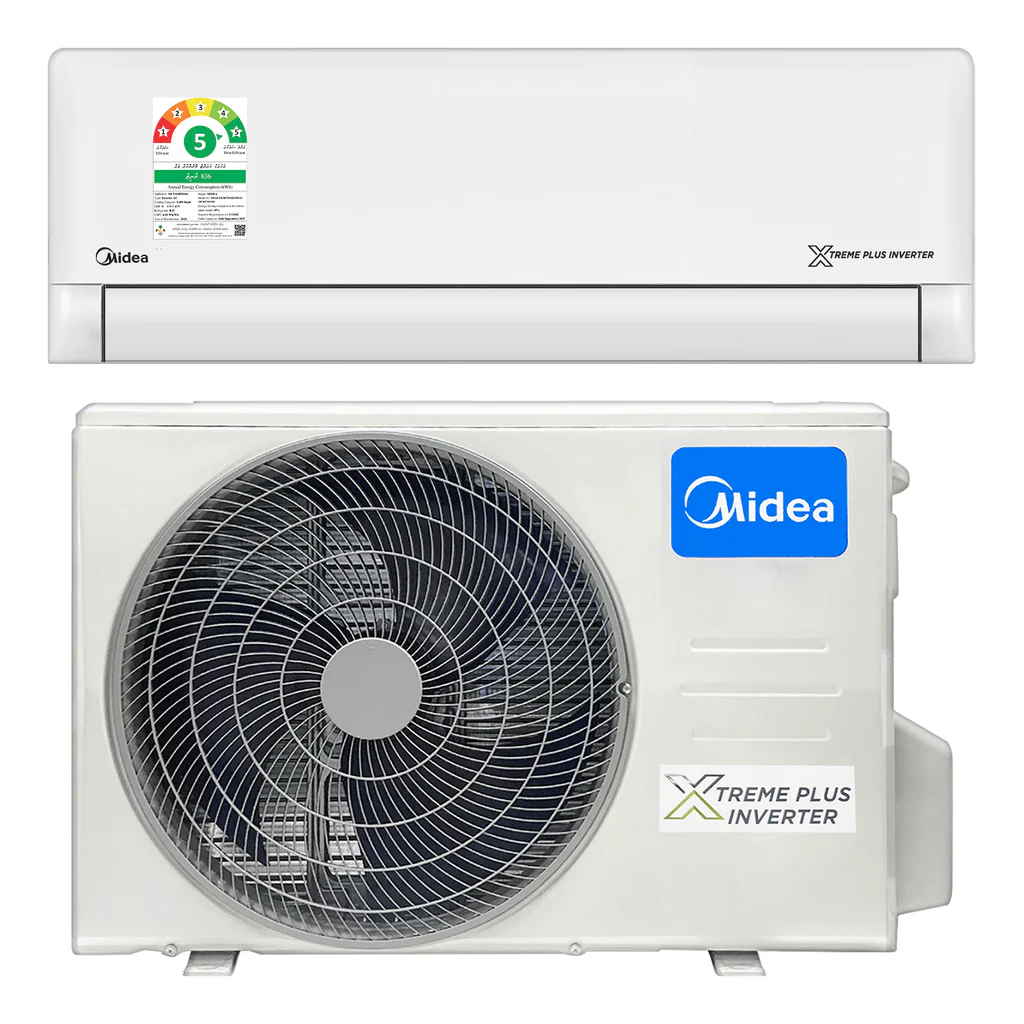

When summer temperatures start climbing, few household appliances become as important as a reliable air conditioner. Choosing the right one isn’t just about staying cool—it’s about comfort, energy savings, durability, and getting real value for your money. Among the many brands available today, the midea air conditioner has quietly built a strong reputation for delivering dependable performance without demanding a premium price.
But does it actually live up to the hype?
That’s exactly what we’ll explore in this detailed review. We’ll look beyond marketing claims and examine real-world performance, design, cooling ability, energy efficiency, smart features, maintenance, and long-term reliability. Whether you’re buying your first AC or replacing an older unit, this guide will help you decide whether a midea air conditioner deserves a place in your home.
Why Midea Has Become a Popular Choice
Midea has grown into one of the world’s largest home appliance manufacturers. While many shoppers recognize premium brands first, Midea has steadily gained attention by offering modern technology at prices that appeal to budget-conscious families.
Instead of focusing only on flashy features, the company balances affordability with dependable performance. That’s one reason many homeowners, apartment renters, and small business owners consider a midea air conditioner when shopping for cooling solutions.
Several factors have contributed to its popularity:
- Competitive pricing
- Energy-efficient inverter technology
- Quiet operation
- Smart home compatibility
- Stylish indoor units
- Reliable cooling performance
- Easy maintenance
- Wide range of capacities
These qualities make Midea attractive to buyers who want value without sacrificing comfort.
First Impressions and Design
The first thing you’ll notice about a midea air conditioner is its clean, minimalist appearance. Rather than using bulky designs, most models feature slim indoor units that blend naturally into modern interiors.
The glossy white finish works well in bedrooms, living rooms, offices, and apartments. Hidden LED temperature displays add a premium touch without becoming distracting.
Many newer models include:
- Rounded edges
- Compact indoor units
- Hidden display panel
- Easy-to-clean front cover
- Durable outdoor condenser
- Anti-rust coating
- Modern remote control
- Wi-Fi support on selected models
Although design isn’t everything, it’s nice when an appliance looks as good as it performs.
Build Quality
One pleasant surprise is the overall build quality.
Despite being competitively priced, a midea air conditioner doesn’t feel cheaply made. The indoor unit feels sturdy, while the outdoor condenser is designed to withstand rain, dust, and changing weather conditions.
Many models include:
- Copper condenser coils
- Corrosion-resistant coating
- High-quality compressor
- Durable plastic housing
- Strong mounting brackets
- Reliable electrical components
These features contribute to a longer lifespan when the unit receives regular maintenance.
Cooling Performance
Cooling performance is where every air conditioner proves its worth.
Fortunately, this is one area where the midea air conditioner performs impressively.
After turning the unit on, cool air begins circulating within minutes. Depending on room size, many users notice a significant temperature drop in approximately 10 to 20 minutes.
Whether cooling:
- Bedrooms
- Living rooms
- Home offices
- Small shops
- Apartments
the airflow remains consistent and comfortable.
Unlike older fixed-speed units that repeatedly switch on and off, inverter models maintain a stable room temperature while consuming less electricity.
Fast Cooling Mode
Many models include a Turbo or Fast Cooling function.
This feature increases compressor speed temporarily, allowing the room to cool much faster after coming home from work or during extremely hot afternoons.
Instead of waiting half an hour, comfortable temperatures can often be reached much sooner.
Airflow Distribution
Good cooling isn’t just about cold air—it’s about even air distribution.
A midea air conditioner uses multiple fan speeds along with adjustable horizontal and vertical swing functions.
This helps eliminate hot spots by distributing cool air across the room instead of blowing directly in one direction.
The result is more consistent comfort for everyone in the room.
Energy Efficiency
Electricity bills are one of the biggest concerns when purchasing an air conditioner.
Thankfully, energy efficiency is one of Midea’s strongest selling points.
Most inverter models automatically adjust compressor speed based on cooling demand rather than constantly running at full power.
Benefits include:
- Lower electricity consumption
- Reduced compressor wear
- Stable indoor temperatures
- Less energy waste
- Quieter performance
For households using air conditioning daily, these savings can become noticeable over the course of a year.
Inverter Technology Explained
Traditional air conditioners operate using a simple cycle.
They cool the room, shut off completely, wait until temperatures rise again, and restart.
This repeated cycling consumes more electricity.
An inverter midea air conditioner works differently.
Instead of stopping completely, it slows the compressor once the desired temperature is reached.
This provides:
- Consistent comfort
- Better humidity control
- Lower operating costs
- Longer compressor life
- Smoother performance
For many buyers, inverter technology alone makes the extra investment worthwhile.
Noise Levels
Nobody wants an air conditioner that sounds like a running generator.
Fortunately, quiet operation is another area where the midea air conditioner performs well.
Indoor units are surprisingly quiet during normal operation, making them suitable for:
- Bedrooms
- Nurseries
- Study rooms
- Home offices
- Libraries
Sleep mode further reduces fan speed while automatically adjusting temperature throughout the night.
The outdoor unit also produces less vibration compared to many older air conditioners.
Smart Features
Modern homeowners increasingly expect smart technology, and Midea delivers with several convenient features.
Depending on the model, users may enjoy:
- Wi-Fi connectivity
- Smartphone app control
- Voice assistant compatibility
- Timer scheduling
- Sleep mode
- Eco mode
- Turbo mode
- Auto restart
- Self-cleaning function
- Intelligent diagnostics
These features make day-to-day operation easier while improving overall convenience.
Air Filtration and Indoor Air Quality
Cooling isn’t the only job an air conditioner performs. Indoor air quality also matters, especially for families with children, elderly members, or allergy sufferers.
Many midea air conditioner models include advanced filtration systems that help improve the air circulating through your home.
Common filtration features include:
- Dust filters
- Washable air filters
- High-density mesh filters
- Anti-bacterial filters
- Anti-mold protection
- Dehumidification mode
- Odor reduction
- Air purification support
While these systems don’t replace a dedicated air purifier, they do help reduce airborne dust, pollen, and everyday particles, making indoor spaces feel fresher and more comfortable.
Dehumidification Performance
Humidity can make a room feel warmer than it actually is. That’s why effective moisture control is almost as important as cooling itself.
A midea air conditioner includes a dedicated Dry Mode on many models, which removes excess moisture from the air without dramatically lowering the room temperature.
This feature is particularly useful during rainy seasons or in coastal areas where humidity levels remain high.
Benefits of dehumidification include:
- Improved indoor comfort
- Reduced mold growth
- Less condensation
- Fresher-smelling rooms
- Better sleep quality
- Protection for furniture and electronics
By keeping humidity under control, the unit creates a more pleasant indoor environment throughout the year.
Pros and Cons
| Pros | Cons |
|---|---|
| Excellent cooling performance | Premium features vary by model |
| Energy-efficient inverter technology | Entry-level models may lack Wi-Fi |
| Quiet operation | Installation quality affects performance |
| Modern and compact design | Replacement parts may vary by region |
| Competitive pricing | Remote layout takes some getting used to |
| Smart features on many models | Advanced filtration only on select variants |
| Reliable compressor performance | Warranty coverage differs by market |
So far, the midea air conditioner proves to be a well-rounded option for homeowners looking for efficient cooling, modern features, and strong value for money. In the next section, we’ll explore installation, maintenance, long-term reliability, comparisons with competing brands, buying tips, frequently asked questions, and our final verdict to help you decide whether it’s the right air conditioner for your needs.