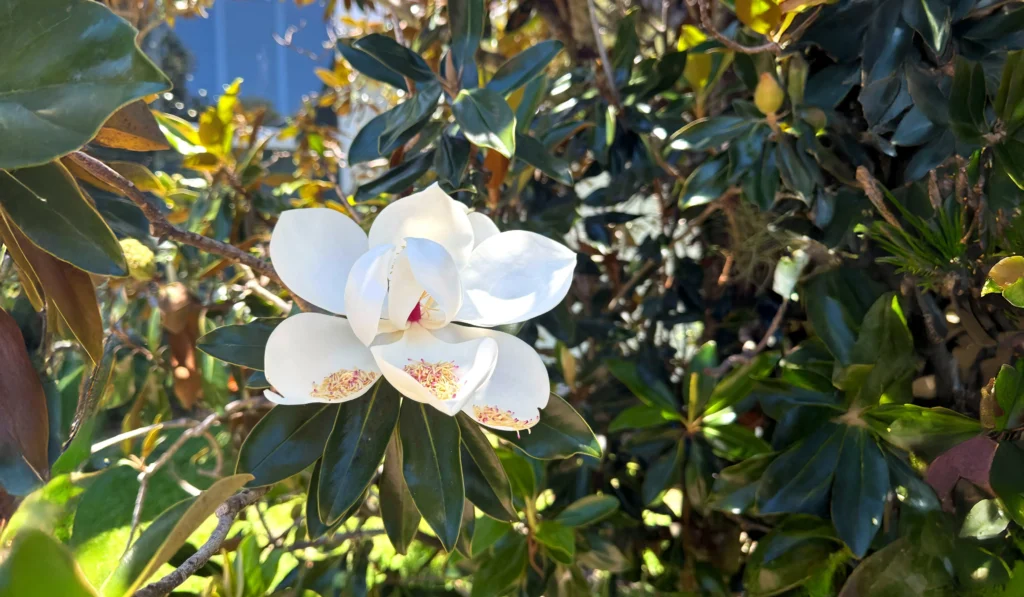

A magnolia tree has a way of stealing the spotlight in any landscape. Its glossy green leaves, breathtaking blooms, and graceful shape create an elegant display that few trees can match. Whether you’re planting one to boost your home’s curb appeal or simply because you’ve fallen in love with its fragrant flowers, knowing how to care for it properly makes all the difference.
The good news is that growing a healthy magnolia isn’t as difficult as many gardeners believe. While these beautiful flowering trees appreciate the right conditions, they reward good care with decades of stunning blossoms and lush foliage. From choosing the perfect planting spot to watering, pruning, and protecting against pests, a few smart techniques can help your tree thrive.
In this guide, you’ll learn everything you need to know about growing a healthy magnolia tree like a seasoned gardener. Whether you’re a beginner or have years of gardening experience, these practical tips will help your tree flourish season after season.
Why the Magnolia Tree Is a Favorite Among Gardeners
The magnolia tree has remained one of the world’s most admired ornamental trees for centuries. Native to Asia and the Americas, magnolias are prized for their spectacular spring flowers, evergreen or deciduous foliage, and impressive lifespan.
Some varieties bloom before their leaves emerge, covering bare branches with large pink, white, purple, or creamy flowers. Others flower throughout spring and summer, filling the garden with a pleasant fragrance.
Popular benefits include:
- Beautiful spring blossoms
- Attractive glossy leaves
- Pleasant floral fragrance
- Excellent shade tree
- Increased property value
- Long lifespan
- Wildlife-friendly habitat
- Year-round landscape interest
Choosing the Right Magnolia Variety
Not every magnolia tree grows the same way. Selecting the right variety depends on your climate, available space, and personal preference.
| Magnolia Variety | Mature Height | Flower Color | Best For |
|---|---|---|---|
| Southern Magnolia | 60–80 ft | White | Large landscapes |
| Saucer Magnolia | 20–30 ft | Pink & White | Front yards |
| Star Magnolia | 15–20 ft | White | Small gardens |
| Jane Magnolia | 10–15 ft | Purple-Pink | Cold climates |
| Sweetbay Magnolia | 20–30 ft | Creamy White | Wet soils |
Each type has its own charm, but all benefit from similar care practices.
Select the Perfect Planting Location
Location is one of the biggest factors that determines whether your magnolia tree will flourish.
Sunlight Requirements
Most magnolias grow best with:
- Full sun
- At least six hours of direct sunlight
- Partial afternoon shade in hotter climates
Young trees especially appreciate protection from scorching afternoon heat during their first few summers.
Soil Conditions
Healthy roots begin with healthy soil.
A magnolia prefers:
- Rich organic soil
- Well-draining ground
- Slightly acidic pH
- Moist but never soggy conditions
Heavy clay soil often leads to root problems. Improve drainage by mixing compost, leaf mold, or aged organic matter before planting.
Planting Your Magnolia Tree the Right Way
Proper planting sets the stage for decades of healthy growth.
Step 1: Dig a Wide Hole
The hole should be:
- Twice as wide as the root ball
- No deeper than the root ball itself
Avoid planting too deep because magnolia roots naturally grow close to the soil surface.
Step 2: Position Carefully
Place the root flare slightly above ground level.
This helps prevent trunk rot while encouraging strong root development.
Step 3: Backfill Gently
Use the original soil mixed with compost.
Avoid packing the soil too tightly since roots require oxygen.
Step 4: Water Thoroughly
Give your newly planted magnolia tree a deep soak immediately after planting.
Watering Tips for Healthy Growth
Watering needs change as the tree matures.
Newly Planted Trees
Water:
- Two or three times each week
- Deeply rather than lightly
- Consistently during dry weather
Established Trees
Older trees generally need:
- Deep watering every 7–10 days
- Extra moisture during drought
- Less frequent watering in cooler months
Adding mulch helps the soil retain moisture while reducing temperature fluctuations.
Mulching Makes a Big Difference
Many homeowners overlook mulching, yet it offers enormous benefits.
Organic mulch helps:
- Prevent weeds
- Retain soil moisture
- Improve soil structure
- Protect shallow roots
- Moderate soil temperature
Spread two to four inches of mulch around the tree but leave several inches of space around the trunk to prevent decay.
Fertilizing Your Magnolia Tree
Magnolias aren’t heavy feeders, but proper nutrition encourages vigorous growth and abundant flowers.
Choose a slow-release fertilizer designed for flowering trees or acid-loving plants.
The best feeding schedule is:
- Early spring
- Late spring if needed
- Avoid heavy fertilizing in late summer
Too much nitrogen may produce beautiful leaves but very few flowers.
Pruning Without Damaging the Tree
One common mistake is excessive pruning.
Fortunately, a magnolia tree naturally develops an attractive shape with very little intervention.
Only remove:
- Dead branches
- Broken limbs
- Diseased wood
- Crossing branches
The ideal pruning time is immediately after flowering.
Heavy winter pruning often reduces next season’s blooms.
Common Magnolia Tree Problems
Even healthy trees occasionally experience issues.
Yellow Leaves
Possible causes include:
- Poor drainage
- Iron deficiency
- Overwatering
- Soil compaction
Testing soil before adding fertilizer often saves unnecessary treatments.
Brown Leaf Edges
Usually caused by:
- Heat stress
- Drought
- Wind damage
- Salt exposure
Deep watering and mulch usually solve the problem.
Poor Flowering
A magnolia tree may bloom less because of:
- Too much shade
- Immature age
- Late frost
- Excess nitrogen fertilizer
Patience is often the answer, especially with young trees.
Common Pests
Although magnolias are relatively pest resistant, watch for:
- Scale insects
- Aphids
- Spider mites
- Whiteflies
Healthy trees naturally resist many infestations.
Beneficial insects such as ladybugs often control aphids without chemical sprays.
Diseases to Watch For
Occasionally, fungal diseases appear during extended wet weather.
Potential issues include:
- Leaf spot
- Powdery mildew
- Verticillium wilt
- Root rot
Good air circulation and proper watering practices greatly reduce disease risk.
Seasonal Magnolia Care
Spring
- Fertilize lightly
- Refresh mulch
- Inspect for winter damage
- Enjoy spectacular flowering
Summer
- Water during dry periods
- Watch for insects
- Remove damaged branches
Autumn
- Clean fallen leaves
- Check soil moisture
- Add compost if necessary
Winter
- Protect young trees from harsh winds
- Avoid unnecessary pruning
- Monitor for frost damage
How Long Does a Magnolia Tree Live?
With proper care, a magnolia tree can live for generations.
Many healthy specimens survive:
- 80 years
- 100 years
- Even 120 years or longer under ideal conditions
This remarkable lifespan makes magnolias one of the best long-term investments for any landscape.
Landscaping Ideas Using Magnolia Trees
Magnolias create beautiful focal points in nearly every garden design.
Popular uses include:
- Front yard centerpiece
- Backyard shade tree
- Cottage gardens
- Formal landscapes
- Wildlife gardens
- Privacy screens
- Patio borders
- Estate entrances
Pair them with shrubs like azaleas, camellias, hydrangeas, gardenias, ferns, hostas, and flowering perennials for year-round color and texture.