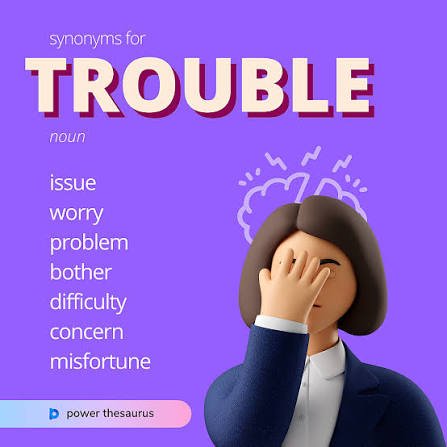

Choosing the right word can completely change how your writing feels. The difference between average writing and engaging writing often comes down to vocabulary. One word that appears repeatedly in articles, emails, reports, essays, and conversations is issue. While it’s a useful word, repeating it too often can make your writing feel dull and repetitive.
That’s where finding the right issues synonym becomes valuable. Depending on the situation, you might be talking about a challenge at work, a conflict in a relationship, a technical error, or a social concern. Each situation deserves a different word that captures the exact meaning.
In this guide, you’ll discover 25 excellent issues synonym examples, learn when to use each one, and see practical examples that make your writing sound more natural. Whether you’re a student, blogger, business professional, or content creator, these alternatives will help you communicate more clearly and confidently.
Why Finding the Right Issues Synonym Matters
Strong writing is built on variety and precision. Readers quickly notice repeated words, especially when the same term appears several times in a paragraph. Replacing “issues” with more specific alternatives improves readability and makes your message easier to understand.
Using the right issues synonym can help you:
- Avoid repetitive language.
- Improve SEO naturally.
- Make your content more engaging.
- Match the tone of formal or informal writing.
- Express ideas with greater accuracy.
- Build a stronger vocabulary.
- Create more professional documents.
- Improve academic writing.
- Enhance blog posts and website content.
Instead of saying “There are several issues,” imagine writing “There are several challenges,” “There are multiple concerns,” or “There are a few obstacles.” Each option creates a slightly different impression.
How to Choose the Best Issues Synonym
Before replacing the word “issues,” ask yourself a few simple questions.
What type of issue is it?
Is it:
- A problem?
- A disagreement?
- A technical fault?
- A social concern?
- A legal matter?
- A business challenge?
The answer helps you select the most appropriate synonym.
Is the writing formal or casual?
Formal documents often require words like:
- Concern
- Matter
- Difficulty
- Complication
Casual conversations may sound more natural with:
- Problem
- Trouble
- Hassle
- Glitch
25 Best Issues Synonym Examples
The table below provides a quick overview before we explore each word in detail.
| Synonym | Best Used For |
|---|---|
| Problem | General situations |
| Challenge | Positive or motivational tone |
| Concern | Professional communication |
| Difficulty | Academic or formal writing |
| Obstacle | Goals and progress |
| Complication | Medical or complex situations |
| Matter | Formal discussions |
| Conflict | Relationships or workplaces |
| Dispute | Legal or business disagreements |
| Trouble | Everyday conversation |
| Fault | Technical or mechanical contexts |
| Error | Writing and technology |
| Defect | Manufacturing and products |
| Glitch | Software and electronics |
| Crisis | Serious situations |
| Setback | Projects and careers |
| Barrier | Growth and success |
| Limitation | Skills or systems |
| Hurdle | Personal development |
| Complaint | Customer service |
| Concern Area | Reviews and evaluations |
| Risk | Planning and business |
| Drawback | Product comparisons |
| Weakness | Analysis and reviews |
| Challenge Area | Performance discussions |
1. Problem
Problem is probably the closest issues synonym in everyday English.
Example:
“The company solved the problem before the product launch.”
2. Challenge
Challenge sounds more optimistic because it suggests something that can be overcome.
Example:
“Learning a new language is a rewarding challenge.”
3. Concern
Concern is common in business meetings and professional writing.
Example:
“Data security remains a major concern.”
4. Difficulty
Use difficulty when discussing tasks or learning experiences.
Example:
“Many students experience difficulty with advanced mathematics.”
5. Obstacle
Obstacle emphasizes something blocking progress.
Example:
“Limited funding became the biggest obstacle.”
6. Complication
This word often appears in healthcare, engineering, and project management.
Example:
“Unexpected complications delayed construction.”
7. Matter
Matter is ideal for formal communication.
Example:
“We will discuss this matter tomorrow.”
8. Conflict
Conflict works well when people disagree.
Example:
“The conflict between departments reduced productivity.”
9. Dispute
Dispute fits legal, financial, and contractual situations.
Example:
“The dispute lasted several months.”
10. Trouble
Trouble is casual and easy to understand.
Example:
“My laptop started giving me trouble.”
11. Fault
Fault usually refers to a defect or someone’s responsibility.
Example:
“The fault was repaired quickly.”
12. Error
Error is especially useful in technology and writing.
Example:
“The report contained several spelling errors.”
13. Defect
Defect is common in manufacturing.
Example:
“The phone had a factory defect.”
14. Glitch
Glitch is perfect for software problems.
Example:
“A minor glitch interrupted the livestream.”
15. Crisis
A crisis is much more serious than a regular issue.
Example:
“The organization responded quickly to the financial crisis.”
16. Setback
Setback suggests temporary difficulty.
Example:
“The injury was only a temporary setback.”
17. Barrier
Barrier describes something preventing success.
Example:
“Language became a barrier to communication.”
18. Limitation
Limitation refers to restrictions or boundaries.
Example:
“Budget limitations affected the project.”
19. Hurdle
Hurdle creates an image of overcoming challenges.
Example:
“Finding investors was the first hurdle.”
20. Complaint
Complaint focuses on customer feedback.
Example:
“The company responded to every customer complaint.”
21. Concern Area
Useful for performance reviews and audits.
Example:
“Time management remains a concern area.”
22. Risk
Sometimes a potential issue is better described as a risk.
Example:
“Cybersecurity is a growing business risk.”
23. Drawback
Drawback highlights disadvantages.
Example:
“The only drawback is the high price.”
24. Weakness
Weakness fits analysis and evaluations.
Example:
“The report identified several weaknesses.”
25. Challenge Area
Challenge area sounds constructive and encourages improvement.
Example:
“Communication remains the team’s biggest challenge area.”
Issues Synonym by Writing Context
Choosing an issues synonym becomes much easier when you match the word to the situation.
Business Writing
Best choices include:
- Concern
- Challenge
- Risk
- Matter
- Obstacle
- Limitation
Academic Writing
Preferred options are:
- Difficulty
- Concern
- Complication
- Limitation
- Weakness
Technical Writing
The best alternatives include:
- Error
- Fault
- Defect
- Glitch
- Bug
- Malfunction
Everyday Conversations
Natural choices include:
- Problem
- Trouble
- Hassle
- Concern
- Challenge
Common Mistakes When Replacing “Issues”
Even the best issues synonym can sound awkward if used incorrectly.
Using “Challenge” for Serious Problems
A challenge sounds manageable.
A crisis or emergency should never be softened into a challenge.
Confusing Fault and Error
An error usually means a mistake.
A fault often refers to equipment or responsibility.
Overusing Formal Alternatives
Words like “matter” and “concern” fit professional settings but may sound unnatural in casual conversation.
Tips for Better Vocabulary
Expanding your vocabulary doesn’t happen overnight, but small habits make a big difference.
- Read books from different genres.
- Study well-written blogs.
- Keep a personal vocabulary notebook.
- Learn one new synonym each day.
- Practice rewriting old paragraphs.
- Use a thesaurus carefully.
- Focus on meaning, not just replacement.
- Read your work aloud before publishing.
Final Thoughts
Improving your vocabulary is one of the easiest ways to become a stronger writer, and learning the right issues synonym options is an excellent place to begin. Rather than relying on the same word repeatedly, you can choose alternatives that match your message, audience, and tone. Whether you’re writing an academic essay, business report, blog post, marketing copy, or everyday email, selecting a precise synonym makes your content more engaging and easier to read.