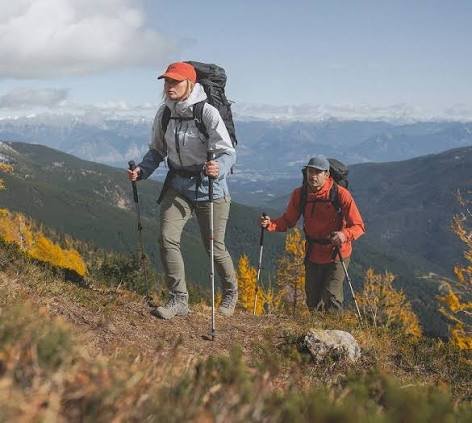

Buying outdoor gear is exciting, but it can also feel overwhelming. One glance at the endless selection of jackets, gloves, backpacks, and accessories is enough to leave anyone wondering where to start. That’s where outdoor research stands out. Known for combining innovative technology with practical designs, the brand has earned a loyal following among hikers, climbers, backpackers, mountaineers, skiers, and everyday adventurers.
Whether you’re planning a weekend hike, preparing for a mountain expedition, or simply looking for dependable rain protection, choosing the right equipment can make every trip safer and more enjoyable. The best gear isn’t always the most expensive—it’s the gear that matches your environment, activity, and personal comfort.
This buying guide explains everything you need to know before investing in outdoor research products. You’ll learn what makes the brand unique, how to compare materials, what features matter most, and which products work best for different outdoor activities. By the end, you’ll have the confidence to build an outdoor kit that performs when the weather changes and the trail becomes challenging.
Why Outdoor Research Has Earned a Strong Reputation
Outdoor enthusiasts trust equipment that performs consistently in harsh conditions. Outdoor research has built its reputation by designing products that solve real problems faced in the wilderness.
Instead of focusing only on appearance, the company emphasizes functionality, durability, and weather protection. Many professional guides, alpine climbers, backpackers, and search-and-rescue teams appreciate the thoughtful details found throughout the product lineup.
Some of the reasons the brand remains popular include:
- Durable construction
- Lightweight performance
- Waterproof technology
- Breathable fabrics
- Comfortable fit
- Reliable insulation
- Innovative designs
- Long product lifespan
- Excellent weather resistance
- Practical storage options
These qualities make outdoor research gear suitable for beginners and experienced adventurers alike.
Understanding Your Outdoor Needs Before Buying
Before purchasing any equipment, think about how you’ll actually use it.
Many people buy premium gear designed for extreme mountaineering when they only hike local trails a few weekends each year. Others underestimate harsh weather and end up with equipment that can’t handle heavy rain or freezing temperatures.
Ask yourself these questions:
What Activities Do You Enjoy?
Different adventures require different gear.
- Hiking
- Backpacking
- Camping
- Trekking
- Trail running
- Mountaineering
- Rock climbing
- Ice climbing
- Ski touring
- Snowshoeing
- Fishing
- Hunting
- Travel
Knowing your primary activity narrows your choices significantly.
What Weather Will You Face?
Climate affects every purchase.
Consider whether you’ll encounter:
- Heavy rain
- Strong wind
- Snow
- High humidity
- Dry desert conditions
- Cold mornings
- Warm afternoons
- Alpine environments
Choosing outdoor research gear designed specifically for your climate ensures better comfort and performance.
Choosing the Right Outdoor Research Jacket
For many outdoor enthusiasts, the jacket is the most important purchase. It protects your body from wind, rain, snow, and changing temperatures.
Waterproof Shell Jackets
These jackets are ideal when rain is expected.
Look for features like:
- Waterproof membranes
- Fully taped seams
- Adjustable hood
- Water-resistant zippers
- Pit zips for ventilation
- Adjustable cuffs
- Hem drawcord
A quality shell from outdoor research keeps moisture out while allowing excess heat to escape.
Insulated Jackets
Cold-weather adventures require insulation.
Popular insulation options include:
- Synthetic insulation
- Down insulation
- Lightweight insulated jackets
- Heavy winter parkas
Synthetic insulation performs better in wet conditions, while down offers outstanding warmth-to-weight performance.
Softshell Jackets
Softshells provide flexibility and breathability.
They’re excellent for:
- Climbing
- Hiking
- Spring weather
- Fall adventures
- High-output activities
Many experienced hikers wear a softshell during movement and carry a waterproof shell in case conditions change.
Finding the Best Outdoor Research Gloves
Hands lose heat quickly during outdoor adventures.
Fortunately, outdoor research offers gloves for nearly every activity.
Lightweight Gloves
Perfect for:
- Morning hikes
- Trail running
- Cycling
- Photography
- Cool weather
Waterproof Gloves
Best for:
- Snow hiking
- Skiing
- Wet conditions
- Ice climbing
Insulated Winter Gloves
Ideal for:
- Mountain travel
- Freezing temperatures
- Snow camping
- Alpine expeditions
When selecting gloves, consider insulation level, dexterity, grip, waterproofing, and cuff length.
Outdoor Research Hats and Headwear
Head protection is often overlooked, yet it’s essential in changing weather.
Popular options include:
- Sun hats
- Bucket hats
- Baseball caps
- Beanies
- Balaclavas
- Neck gaiters
- Winter caps
For summer adventures, breathable fabrics with UV protection help prevent overheating. During winter, fleece-lined hats retain warmth without adding unnecessary weight.
How to Choose Outdoor Research Pants
Outdoor pants have evolved dramatically over the years.
Today’s designs offer:
- Stretch fabric
- Water resistance
- Reinforced knees
- Articulated legs
- Quick-drying materials
- Breathability
- Lightweight construction
If your adventures involve scrambling over rocks or climbing steep trails, flexible pants improve mobility while resisting abrasion.
Layering: The Secret to Outdoor Comfort
One of the biggest mistakes beginners make is relying on one heavy jacket.
Experienced adventurers use a layering system.
Base Layer
Purpose:
- Moves sweat away from skin
- Keeps you dry
- Regulates temperature
Materials include:
- Merino wool
- Synthetic polyester
- Performance blends
Mid Layer
Purpose:
- Traps body heat
Examples:
- Fleece jacket
- Lightweight insulated jacket
- Grid fleece
- Hybrid insulation
Outer Layer
Purpose:
- Blocks wind
- Repels rain
- Protects against snow
This three-layer approach allows you to adapt to changing weather without overheating or becoming too cold.
Materials Used in Outdoor Research Products
Understanding fabric technology helps you make smarter buying decisions.
| Material | Benefits | Best Use |
|---|---|---|
| Nylon | Durable and abrasion resistant | Hiking and climbing |
| Polyester | Quick drying | Backpacking |
| Merino wool | Temperature regulation | Base layers |
| Fleece | Warm and breathable | Mid layers |
| Gore-Tex-compatible waterproof fabrics | Waterproof and breathable | Rain protection |
| Ripstop fabric | Prevents tearing | Technical gear |
| Softshell fabric | Flexible and breathable | Active movement |
Each material has strengths, and many outdoor research products combine multiple fabrics to balance comfort, protection, and durability.
Fit Matters More Than You Think
A high-quality jacket won’t perform well if it doesn’t fit properly.
Look for:
- Freedom of movement
- Room for layering
- Adjustable cuffs
- Adjustable hood
- Comfortable shoulders
- Proper sleeve length
- Waist adjustment
Always try moving your arms overhead and bending at the waist if possible. A well-fitted jacket should move with your body rather than restrict it.
Features Worth Paying For
Not every premium feature is necessary for every adventurer, but some additions genuinely improve usability.
Useful features include:
- Waterproof zippers
- Helmet-compatible hoods
- Adjustable hems
- Ventilation zips
- Interior security pockets
- Hand warmer pockets
- Reflective details
- Reinforced panels
- Elastic cuffs
- Thumb loops
These details may seem minor at first, but they often make a noticeable difference during long days outdoors.