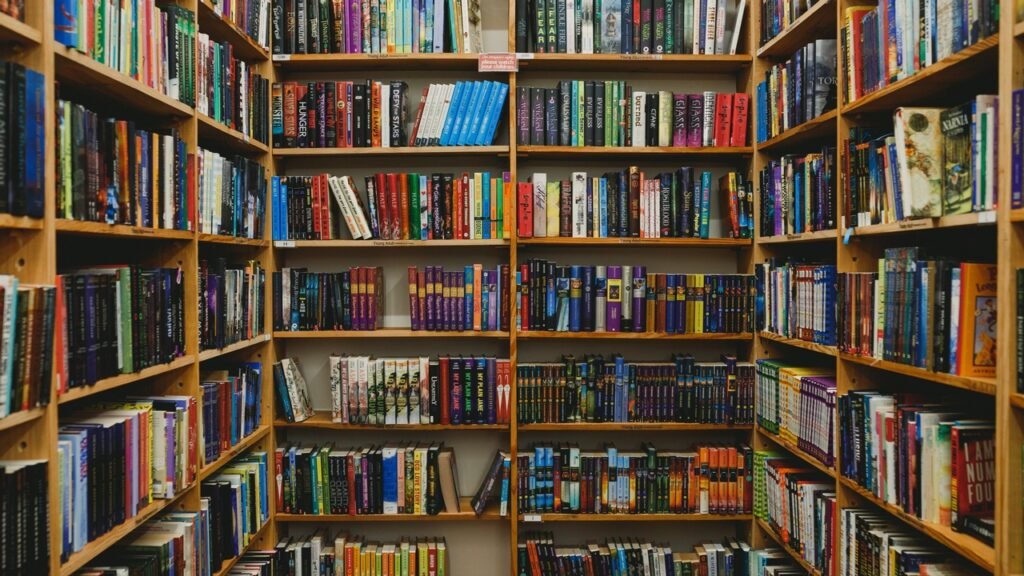

There was a time when people believed the internet would replace the library forever. After all, why walk into a quiet building full of books when answers sit one Google search away?
Yet here we are in 2026, and libraries are not disappearing. In many cities, they are expanding, evolving, and becoming more essential than ever.
The modern library is no longer just a room lined with dusty shelves. It has transformed into a community hub, a digital learning center, a safe public space, and a gateway to opportunity. Whether someone needs free internet access, academic support, career guidance, research materials, or simply a peaceful place to think, libraries continue to fill a role that technology alone cannot replace.
What makes this even more remarkable is how libraries have adapted without losing their original purpose. They still protect knowledge, encourage literacy, and connect people with ideas. However, they now do so through e-books, online databases, multimedia labs, virtual learning platforms, and collaborative workspaces.
In a world flooded with fast information, the library remains one of the few places dedicated to trusted knowledge, equal access, and human connection.
Let’s explore the seven biggest reasons libraries still matter in 2026 — perhaps more than ever before.
1. Libraries Provide Equal Access to Knowledge
One of the greatest strengths of any library is accessibility.
Not everyone can afford expensive textbooks, online subscriptions, research journals, or premium educational platforms. A public library bridges that gap by offering free access to information for everyone, regardless of age, income, or background.
This matters deeply in 2026 because education costs continue to rise globally. Students, job seekers, freelancers, and researchers often rely on libraries to access:
- Academic databases
- Digital archives
- Reference books
- Newspapers and magazines
- Audiobooks
- E-learning tools
- Study materials
- Research publications
Many modern libraries also provide free Wi-Fi, computer stations, and printing services. For some people, especially in underserved communities, the library is still the only reliable place to connect to the digital world.
That level of access creates opportunities that might otherwise never exist.
The Digital Divide Is Still Real
People often assume everyone has unlimited internet access. That simply isn’t true.
Millions still struggle with:
- Slow internet connections
- Limited devices
- High subscription costs
- Lack of digital literacy
Libraries help close this digital divide by giving communities equal opportunities to learn and grow.
Without the local library, many students would fall behind before they even begin.
2. Libraries Support Lifelong Learning
Learning no longer stops after graduation. In today’s economy, people constantly update their skills to stay competitive.
Libraries have become lifelong learning centers where individuals of every age can continue developing personally and professionally.
A modern library now offers:
- Online courses
- Coding workshops
- Language classes
- Career development programs
- Financial literacy sessions
- Creative writing groups
- Technology training
- STEM education programs
A parent might attend a digital marketing seminar while their child joins a reading club nearby. A retiree may learn graphic design. A teenager could explore robotics for the first time.
That flexibility makes libraries incredibly valuable in 2026.
Libraries Encourage Independent Thinking
Unlike algorithm-driven platforms that feed users endless distractions, libraries encourage curiosity and deep focus.
Browsing library shelves often leads readers toward unexpected discoveries. One book sparks another idea. One article opens a new perspective.
That type of independent exploration is becoming rare online.
In a fast-moving digital environment, the library remains a place where thoughtful learning still thrives.
3. Libraries Strengthen Communities
A library is more than a building filled with books. It is often the heartbeat of a neighborhood.
Communities need spaces where people can gather safely without pressure to spend money. Libraries provide exactly that.
In 2026, many libraries host:
- Community events
- Book clubs
- Art exhibitions
- Local history programs
- Youth mentorship sessions
- Public discussions
- Cultural celebrations
- Small business workshops
These events create connections between people who may never otherwise meet.
A Safe Public Space Matters More Than Ever
Modern cities are becoming increasingly commercialized. Cafes expect purchases. Coworking spaces require memberships. Entertainment costs continue rising.
The library remains one of the few truly public places where anyone can enter freely.
Students can study quietly. Remote workers can focus. Parents can spend meaningful time with children. Elderly visitors can socialize without isolation.
That human element cannot be replaced by apps or search engines.
4. Libraries Preserve Trusted Information
We live in an era of misinformation, fake headlines, AI-generated confusion, and unreliable online content.
That reality has made libraries more important — not less.
Professional librarians help people find accurate, verified, and credible information. They guide users toward trusted resources instead of viral misinformation.
This role is especially important for:
- Academic research
- Health information
- Historical records
- Government resources
- Scientific studies
- Legal references
Librarians Are Information Experts
Many people underestimate the expertise librarians bring.
Modern librarians are trained in:
- Information management
- Research methodology
- Digital literacy
- Archival science
- Media evaluation
- Citation systems
In other words, libraries do not simply store information. They help people understand how to evaluate it responsibly.
That skill has become critical in 2026.
5. Libraries Have Embraced Technology
Ironically, technology did not destroy libraries. It transformed them.
The modern library now blends traditional knowledge with digital innovation in ways that benefit everyone.
Today’s libraries commonly include:
- E-book collections
- Virtual reality labs
- 3D printing stations
- Podcast studios
- Multimedia editing suites
- AI learning tools
- Online research portals
- Digital borrowing systems
Some libraries even lend laptops, tablets, cameras, and mobile Wi-Fi hotspots.
This evolution proves libraries are not stuck in the past. They are adapting intelligently to modern needs.
Hybrid Learning Is the New Standard
Since remote education became widespread, libraries have played a major role in hybrid learning environments.
Students now use library services both physically and digitally. They can:
- Attend virtual tutoring
- Borrow e-books instantly
- Access cloud databases
- Join online workshops
- Reserve study rooms remotely
The modern library combines convenience with credibility.
That balance is difficult to find elsewhere.
6. Libraries Boost Literacy and Academic Success
Strong literacy skills remain one of the biggest predictors of long-term success.
Libraries continue to play a huge role in helping children and adults improve reading comprehension, vocabulary, writing ability, and critical thinking.
Children who grow up visiting libraries often develop:
- Better reading habits
- Stronger communication skills
- Higher academic confidence
- Greater imagination
- Improved concentration
Early Childhood Programs Matter
Many libraries now offer:
- Storytime sessions
- Reading challenges
- Parent-child literacy programs
- Interactive educational games
- Homework assistance
- Summer reading campaigns
These programs build educational foundations at an early age.
For struggling students, the library can become a life-changing support system.
Adults Benefit Too
Literacy support is not limited to children.
Libraries also help adults with:
- GED preparation
- Resume writing
- English language learning
- Career certifications
- Interview preparation
- Digital communication skills
The ability to improve oneself without financial barriers is one reason the library remains so powerful.
7. Libraries Protect Culture, History, and Human Memory
Perhaps the most overlooked role of libraries is preservation.
Libraries protect the intellectual and cultural history of societies. Without them, countless records, manuscripts, newspapers, photographs, and local histories would disappear forever.
In 2026, digital content changes rapidly. Websites vanish. Online articles get deleted. Social media posts disappear overnight.
Libraries preserve information with long-term responsibility.
Libraries Keep Local History Alive
Many local libraries maintain archives containing:
- Historical newspapers
- Family genealogy records
- Oral histories
- Maps
- Rare books
- Community photographs
- Government documents
These archives help future generations understand where they came from.
Without libraries, much of human history would become fragmented or lost.
How Libraries Continue to Evolve in 2026
Libraries today look very different from those of previous decades.
Here’s a quick comparison:
| Traditional Library | Modern Library in 2026 |
|---|---|
| Physical books only | Physical + digital collections |
| Silent reading rooms | Collaborative learning spaces |
| Card catalogs | AI-powered search systems |
| Limited technology | Advanced multimedia labs |
| Local access only | Global online access |
| Basic reference help | Full digital research support |
| Printed newspapers | Real-time digital archives |
This transformation shows how flexible the library system has become.
Instead of resisting change, libraries embraced innovation while protecting their core mission.
Common Misconceptions About Libraries
“Everything Is Online Anyway”
Not everything online is accurate, free, or accessible.
Many scholarly journals, research databases, and educational resources require costly subscriptions. Libraries provide legal access to these materials for the public.
“Young People Don’t Use Libraries”
Actually, many young adults rely heavily on libraries for:
- Study spaces
- Internet access
- Exam preparation
- Career development
- Creative projects
- Group collaboration
Modern libraries attract students because they offer both quiet focus and technological support.
“Libraries Are Outdated”
The opposite is true.
Libraries have become some of the most adaptable educational institutions in the world.
They continue evolving while maintaining public trust — something many digital platforms struggle to achieve.
The Emotional Value of a Library
There is also something deeply human about libraries that statistics cannot fully explain.
People remember:
- Their first library card
- Quiet afternoons reading
- Discovering a favorite author
- Studying for important exams
- Feeling safe in a peaceful environment
The atmosphere of a library creates emotional connections that digital platforms rarely provide.
For many people, the library represents possibility.
It says:
“You are welcome here. You can learn here. You belong here.”
That message still matters.
Why Libraries Will Matter Even More in the Future
As artificial intelligence, automation, and digital overload continue expanding, libraries may become even more essential.
People will increasingly need:
- Trusted information
- Human guidance
- Critical thinking skills
- Media literacy
- Quiet learning environments
- Community support
Libraries already provide all of these.
In many ways, they serve as stabilizing institutions in a rapidly changing world.
They help people slow down, think carefully, and engage with knowledge more meaningfully.
That role cannot be replaced by endless scrolling.
Final Thoughts
The idea that libraries would become obsolete has proven completely wrong.
In 2026, the library remains one of society’s most valuable public resources. It supports education, preserves culture, strengthens communities, improves literacy, and creates equal access to opportunity.
Most importantly, libraries continue evolving without abandoning their mission.
They are no longer just places to borrow books. They are innovation centers, digital gateways, research hubs, educational lifelines, and safe community spaces all at once.