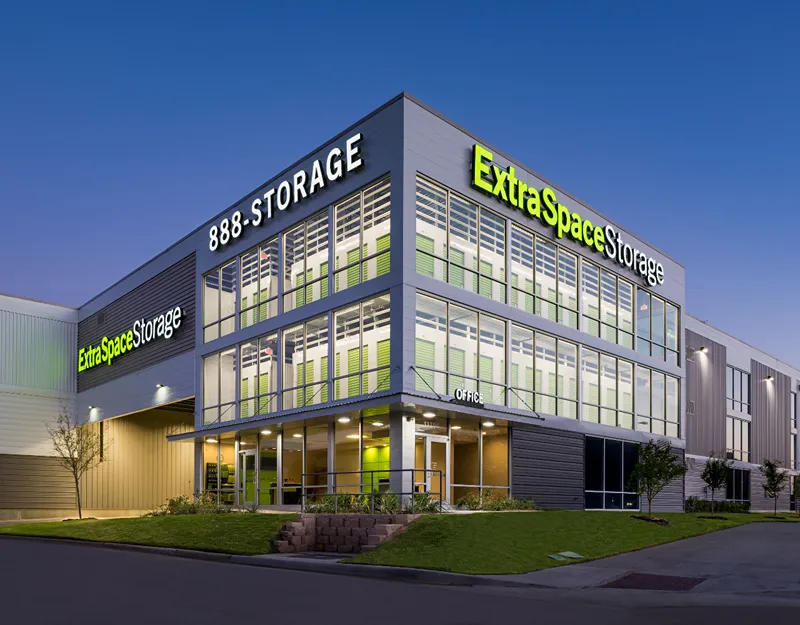

Running out of room happens faster than most people expect. One day your garage looks organized, and the next it feels like a maze of boxes, old furniture, holiday decorations, and things you swear you still need. Whether you are moving, downsizing, renovating, or simply trying to create more breathing room at home, finding the right extra space storage solution can completely change how you manage your belongings.
However, choosing a storage unit is not as simple as picking the first facility you see online. The wrong unit can leave you paying too much, struggling with limited access, or worrying about the safety of your items. On the other hand, the right storage unit gives you convenience, peace of mind, and flexibility.
This guide walks you through everything you need to know before renting an extra space storage unit. From sizing and security to climate control and hidden costs, you will learn how to make a smart choice that fits both your needs and your budget.
Why People Use Extra Space Storage
People rent storage units for many different reasons. Some need temporary storage during a move, while others use long-term storage for business inventory or sentimental belongings.
Common reasons include:
- Moving to a new home
- Downsizing to a smaller apartment
- Storing seasonal items
- Decluttering living spaces
- Protecting valuable furniture
- Keeping business inventory safe
- College student storage during summer
- Military deployment storage
- Renovation projects
- Vehicle or motorcycle storage
The popularity of extra space storage has grown because modern homes often lack enough room for everything people own. In addition, remote work and online businesses have increased the need for flexible storage solutions.
Understand What You Need to Store
Before renting a storage unit, make a complete list of what you plan to store. This step helps you avoid paying for unnecessary square footage.
Questions to Ask Yourself
Are the items fragile?
Delicate belongings like electronics, artwork, antiques, or wooden furniture may require climate-controlled storage.
How often will you access the unit?
If you need frequent access, choose a ground-floor unit or drive-up storage option.
Are the items valuable?
Expensive belongings should be stored in facilities with advanced security features.
Is this short-term or long-term storage?
A temporary storage solution may prioritize affordability, while long-term storage should focus more on protection and accessibility.
Taking inventory beforehand also helps you stay organized later.
Choosing the Right Storage Unit Size
One of the biggest mistakes renters make is choosing the wrong size. Renting too small creates frustration, while renting too large wastes money.
Common Storage Unit Sizes
| Unit Size | Best For |
|---|---|
| 5×5 | Boxes, small furniture, seasonal décor |
| 5×10 | Studio apartment items |
| 10×10 | One-bedroom apartment contents |
| 10×15 | Two-bedroom home furniture |
| 10×20 | Large household storage |
| 10×30 | Business inventory or full home storage |
When selecting an extra space storage unit, think vertically as well. Shelving and stackable bins can maximize your available space.
Climate-Controlled vs Standard Storage
Not every item needs climate protection, but certain belongings absolutely do.
When Climate-Controlled Storage Makes Sense
Climate-controlled units maintain stable temperature and humidity levels. They are ideal for:
- Electronics
- Leather furniture
- Important documents
- Musical instruments
- Photographs
- Artwork
- Collectibles
- Wooden furniture
If you live in an area with extreme heat, humidity, or cold weather, climate-controlled extra space storage is often worth the additional cost.
When Standard Storage Is Enough
Standard units work fine for:
- Tools
- Outdoor equipment
- Plastic containers
- Metal furniture
- Seasonal decorations
- Non-sensitive household items
Choosing the appropriate unit type prevents damage and saves money.
Location Matters More Than You Think
A cheap storage unit far away may seem attractive initially, but convenience matters.
Consider Travel Time
If you plan to visit frequently, choose a facility near your home or workplace. Long drives become frustrating over time.
Urban vs Suburban Facilities
City storage facilities may cost more but offer convenience. Suburban locations often provide lower monthly rates and larger units.
Easy Access Features
Look for:
- Wide driveways
- Elevators
- Loading docks
- Carts and dollies
- Drive-up access
- Extended access hours
The best extra space storage facility balances affordability with convenience.
Security Features You Should Never Ignore
Security is one of the most important factors when choosing storage.
Essential Security Features
Gated Access
Facilities with keypad entry reduce unauthorized access.
Surveillance Cameras
24/7 video monitoring adds another layer of protection.
On-Site Management
Having staff present often discourages theft.
Individual Unit Alarms
Some premium facilities include alarms for each storage unit.
Good Lighting
Brightly lit hallways and parking areas improve safety.
Secure Locks
Always invest in a quality lock instead of buying the cheapest option available.
A secure extra space storage facility protects your belongings and provides peace of mind.
Compare Pricing Carefully
Storage prices vary widely depending on location, size, and amenities.
What Affects Storage Costs?
Several factors influence monthly pricing:
- Unit size
- Climate control
- Facility location
- Access hours
- Security level
- Demand in the area
- Indoor vs outdoor units
Watch for Hidden Fees
Some storage companies advertise low introductory rates but add extra charges later.
Common hidden fees include:
- Administrative fees
- Insurance costs
- Late payment penalties
- Lock purchase fees
- Mandatory protection plans
Always read the rental agreement carefully before signing.
Accessibility and Convenience
A storage unit should make life easier, not harder.
24-Hour Access
Some people need access outside normal business hours. If you work late or travel frequently, flexible access can be valuable.
Drive-Up Storage
Drive-up units allow you to park directly in front of your storage space. This is especially useful for:
- Heavy furniture
- Business equipment
- Frequent loading and unloading
Indoor Storage Units
Indoor facilities provide better protection from weather and often feel more secure.
Choosing accessible extra space storage can save time and reduce stress.
Read Customer Reviews Before Renting
Online reviews reveal details that advertisements usually skip.
What to Look for in Reviews
Pay attention to comments about:
- Cleanliness
- Pest control
- Staff professionalism
- Billing issues
- Security concerns
- Water damage
- Customer service
A facility with consistently positive reviews is usually a safer choice.
However, avoid relying on only one review platform. Look at multiple sources for a balanced perspective.
Insurance and Protection Plans
Many renters assume the storage facility automatically insures their belongings. That is often not the case.
Storage Insurance Basics
You may need:
- Homeowners insurance extension
- Renters insurance coverage
- Facility protection plan
- Third-party storage insurance
Always ask exactly what is covered before moving your belongings into extra space storage.
Tips for Packing Your Storage Unit Efficiently
A poorly packed storage unit quickly becomes chaotic.
Smart Packing Strategies
Use Uniform Boxes
Same-sized boxes stack better and save space.
Label Everything Clearly
Write contents on every side of each box.
Create Walkways
Leave a small path for easy access to items in the back.
Store Heavy Items at the Bottom
Prevent crushing lighter belongings.
Use Shelving
Shelves improve organization and accessibility.
Cover Furniture
Protect furniture from dust using breathable covers.
Proper organization makes your extra space storage experience far smoother.
Mistakes to Avoid When Renting Storage
Even experienced renters make avoidable mistakes.
Common Storage Errors
Choosing the Cheapest Option
Low prices sometimes mean poor security or maintenance.
Ignoring Climate Control
Sensitive items can suffer permanent damage.
Forgetting to Measure Large Items
Oversized furniture may not fit as expected.
Packing Without Organization
Disorganized storage wastes time later.
Not Checking Access Hours
Limited hours can become inconvenient.
Overpacking the Unit
Cramming items tightly increases damage risk.
Avoiding these mistakes can save money and frustration.
Storage Solutions for Businesses
Businesses increasingly rely on extra space storage for inventory and operations.
Business Uses for Storage Units
Companies often store:
- Office furniture
- Documents
- Marketing materials
- Retail inventory
- Tools and equipment
- Seasonal merchandise
Some facilities even offer package acceptance services and business-friendly access hours.
For small businesses, storage units can serve as a cost-effective alternative to warehouse space.
Short-Term vs Long-Term Storage
Your storage timeline affects the type of unit you should choose.
Short-Term Storage
Best for:
- Moving transitions
- Temporary relocation
- Home staging
- Renovation projects
Short-term renters often prioritize flexibility and convenience.
Long-Term Storage
Best for:
- Military deployment
- Extended travel
- Family heirlooms
- Business inventory
Long-term storage should focus more on climate protection and durability.
Understanding your timeline helps narrow your extra space storage options.
How to Save Money on Storage Units
Storage costs can add up over time, especially for larger units.
Smart Ways to Reduce Costs
- Compare multiple facilities
- Avoid oversized units
- Share space with family
- Look for promotions
- Pay several months upfront
- Use vertical storage
- Declutter before renting
In many cases, people realize they do not need as much storage space as they originally thought.
Questions to Ask Before Signing a Rental Agreement
Never sign a storage contract without asking questions.
Important Questions
- Are there rate increases after the introductory period?
- Is insurance required?
- What are the access hours?
- Are there late fees?
- Is climate control available?
- What security measures are in place?
- Can I switch unit sizes later?
- Are there move-in specials?
Asking these questions ensures there are no unpleasant surprises later.
Signs of a High-Quality Storage Facility
Not all storage facilities maintain the same standards.
Positive Signs to Look For
Clean Property
A clean environment often indicates professional management.
Pest-Free Units
Pests can damage furniture, clothing, and documents.
Helpful Staff
Friendly, knowledgeable employees improve the overall experience.
Well-Maintained Buildings
Look for secure doors, clean hallways, and functioning lights.
Transparent Pricing
Honest pricing builds trust.
A reliable extra space storage provider focuses on customer satisfaction as much as storage space itself.
Is Extra Space Storage Worth It?
For many people, absolutely.
Storage units provide flexibility during life transitions and help reduce clutter without forcing you to part with valuable belongings.
The key is choosing wisely. The right extra space storage unit should feel secure, accessible, affordable, and appropriate for your needs.
Whether you are storing a few boxes or an entire household, taking the time to research your options makes a huge difference.
Final Thoughts
Choosing the right extra space storage unit is not only about finding an empty room for your belongings. It is about protecting your possessions, simplifying your life, and creating extra breathing room when you need it most.
The best storage decision comes from understanding your needs first. Think carefully about unit size, security, climate control, accessibility, and long-term costs. Compare facilities, read customer reviews, and avoid rushing into the cheapest option available.