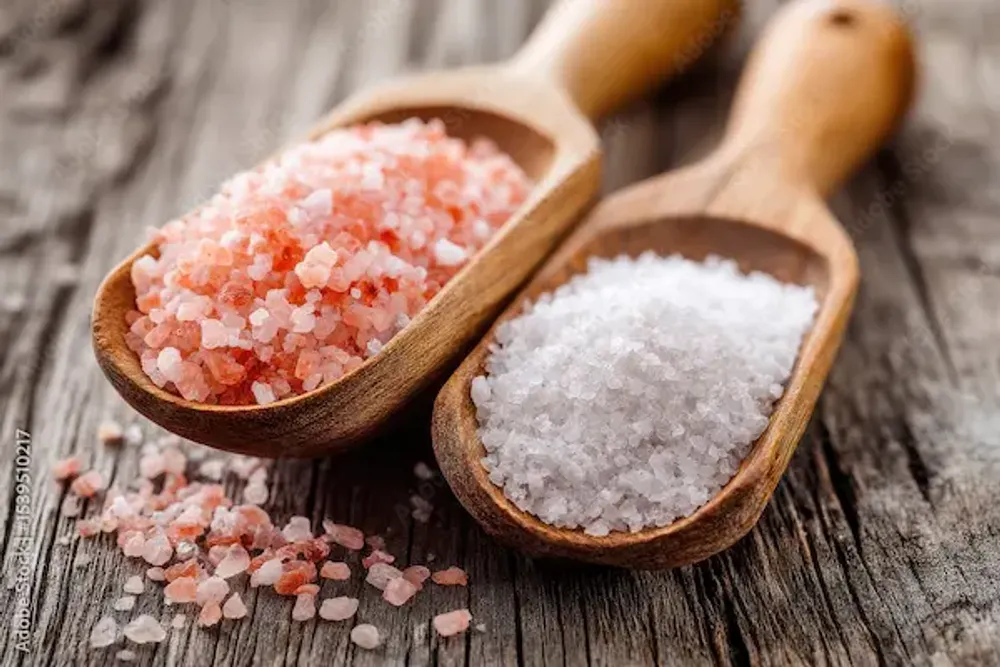

Have you ever wondered why many chefs, health enthusiasts, and traditional medicine practitioners prefer rock salt over ordinary table salt? While it may look like a simple mineral pulled from the earth, rock salt has a fascinating history, unique properties, and a wide range of applications that extend far beyond the kitchen.
From seasoning delicious meals to supporting wellness practices and even helping during winter months, rock salt has earned its reputation as one of nature’s most versatile minerals. Whether you’re interested in nutrition, cooking, skincare, or natural remedies, understanding rock salt can help you make informed choices in your daily life.
In this comprehensive guide, we’ll explore everything you need to know about rock salt, including its origins, benefits, uses, nutritional profile, and expert insights.
What Is Rock Salt?
Rock salt is a naturally occurring mineral primarily composed of sodium chloride. Unlike highly refined table salt, it is extracted from underground salt deposits formed millions of years ago when ancient seas evaporated.
The mineral is commonly found in large crystalline formations and may appear white, pink, gray, or reddish depending on the trace minerals it contains. One of the most famous varieties is Himalayan pink salt, which is often considered a premium form of rock salt.
Because it undergoes minimal processing, rock salt retains several naturally occurring minerals that contribute to its distinctive flavor and appearance.
How Rock Salt Is Formed
The formation process of rock salt is remarkable:
- Ancient seawater evaporates over thousands or millions of years.
- Salt deposits remain behind.
- Geological pressure compresses these deposits into solid layers.
- Mining operations extract the crystalline mineral from underground reserves.
These natural processes create the large salt crystals that distinguish rock salt from refined table salt.
Nutritional Composition of Rock Salt
Although sodium chloride remains the primary component, rock salt contains trace amounts of various minerals.
| Nutrient | Presence in Rock Salt |
|---|---|
| Sodium | High |
| Chloride | High |
| Potassium | Trace |
| Magnesium | Trace |
| Calcium | Trace |
| Iron | Trace |
| Zinc | Trace |
The exact mineral content varies depending on the source and geographical location of the salt deposit.
Types of Rock Salt
Himalayan Pink Rock Salt
This popular variety comes from ancient salt mines and is known for its attractive pink color. The hue results from trace minerals, particularly iron.
White Rock Salt
White rock salt is commonly used in cooking and food preservation. It has a cleaner appearance and mild flavor.
Black Rock Salt
Often used in South Asian cuisine, black rock salt has a distinctive sulfur-like aroma that adds depth to many traditional dishes.
Industrial Rock Salt
This form is used for de-icing roads, water treatment, and various industrial applications rather than food preparation.
Health Benefits of Rock Salt
Many people choose rock salt because of its natural origin and mineral content. While it should still be consumed in moderation, it may offer several advantages.
1. Supports Electrolyte Balance
Electrolytes play a critical role in maintaining hydration, muscle function, and nerve signaling.
Rock salt contains sodium, which helps regulate:
- Fluid balance
- Nerve transmission
- Muscle contractions
- Cellular communication
Athletes often include mineral-rich salts in hydration routines to replenish lost electrolytes.
2. May Aid Digestion
Traditional wellness systems have used rock salt for centuries to support digestive health.
Some people believe it can:
- Stimulate digestive enzymes
- Encourage healthy stomach acid production
- Improve nutrient absorption
- Reduce occasional bloating
Many traditional digestive drinks include a small amount of rock salt combined with herbs and spices.
3. Supports Hydration
Water alone may not always be enough after intense physical activity. Small amounts of mineral-rich salt can assist in maintaining proper hydration levels by supporting fluid retention and electrolyte balance.
4. Provides Trace Minerals
Although the quantities are relatively small, rock salt contains trace minerals that contribute to its unique composition.
These minerals may include:
- Iron
- Magnesium
- Potassium
- Calcium
The presence of these elements differentiates rock salt from heavily refined salt products.
5. Promotes Muscle Function
Sodium plays an essential role in muscle contraction and relaxation.
Adequate sodium intake helps:
- Prevent muscle cramps
- Support physical performance
- Maintain proper muscle coordination
This is particularly important for active individuals and athletes.
Rock Salt in Cooking
One of the most common uses of rock salt is culinary preparation.
Enhancing Flavor Naturally
Many chefs prefer rock salt because of its:
- Crisp texture
- Clean taste
- Mineral complexity
- Visual appeal
The larger crystals dissolve more slowly, creating bursts of flavor that can enhance various dishes.
Popular Culinary Applications
Rock salt is commonly used in:
- Soups
- Curries
- Grilled vegetables
- Meat dishes
- Seafood recipes
- Salads
- Marinades
- Pickling solutions
Its versatility makes it a staple ingredient in kitchens worldwide.
Cooking on Salt Blocks
Large blocks of rock salt have become increasingly popular for gourmet cooking.
Benefits include:
- Natural seasoning
- Even heat distribution
- Attractive food presentation
- Unique flavor enhancement
Foods such as shrimp, steak, vegetables, and fish are often prepared on heated salt slabs.
Rock Salt in Traditional Wellness Practices
Throughout history, rock salt has played an important role in various traditional health systems.
Salt Water Gargles
A mixture of warm water and rock salt is commonly used as a soothing gargle.
Potential benefits include:
- Temporary throat comfort
- Oral hygiene support
- Gentle cleansing effect
Mineral Baths
Bath salts made from rock salt are frequently added to warm water.
People use them to:
- Relax after exercise
- Create a spa-like experience
- Support overall well-being
- Promote relaxation
Nasal Rinses
Certain saline solutions may contain mineral salts for nasal cleansing purposes. However, proper preparation and medical guidance are essential.
Beauty and Skincare Uses
Rock salt is widely used in personal care products.
Natural Exfoliation
The coarse texture makes it an effective exfoliating ingredient.
Benefits include:
- Removing dead skin cells
- Smoothing rough areas
- Improving skin texture
- Enhancing circulation during massage
Salt Scrubs
Many premium body scrubs contain rock salt crystals combined with natural oils.
Common ingredients include:
- Coconut oil
- Olive oil
- Almond oil
- Essential oils
Foot Soaks
Rock salt foot baths remain a popular home remedy for tired feet after long days of standing or walking.
Household Uses of Rock Salt
The usefulness of rock salt extends beyond food and wellness.
Cleaning Applications
Rock salt may assist with:
- Scrubbing cookware
- Removing stubborn residue
- Cleaning cast iron surfaces
Odor Control
Some people use salt crystals to help absorb unwanted odors in certain environments.
Decorative Purposes
Salt lamps and decorative salt pieces have become popular home accessories due to their natural appearance.
Rock Salt for Winter Safety
One of the largest industrial uses of rock salt involves snow and ice management.
How It Works
Rock salt lowers the freezing point of water, helping to:
- Melt ice
- Reduce slippery surfaces
- Improve road safety
- Facilitate winter transportation
Common Areas of Use
- Roads
- Sidewalks
- Parking lots
- Driveways
- Public pathways
Municipal authorities rely heavily on rock salt during cold weather seasons.
Rock Salt vs Table Salt
Many consumers wonder whether rock salt is better than regular table salt.
| Feature | Rock Salt | Table Salt |
| Processing | Minimal | Highly refined |
| Crystal Size | Large | Fine |
| Trace Minerals | Present | Usually removed |
| Additives | Typically fewer | Often contains anti-caking agents |
| Flavor | More complex | Sharp and uniform |
While both primarily contain sodium chloride, rock salt appeals to those seeking a less processed alternative.
Common Myths About Rock Salt
Myth 1: Rock Salt Contains No Sodium
This is incorrect.
Rock salt is still primarily sodium chloride and should be consumed responsibly.
Myth 2: More Rock Salt Means Better Health
Excess sodium from any source may contribute to health concerns. Moderation remains important.
Myth 3: All Rock Salt Is Identical
Different varieties contain different mineral profiles, colors, textures, and flavors.
Expert Insights on Rock Salt
Nutrition experts generally agree on several key points regarding rock salt.
Moderation Is Essential
Despite its natural origin, rock salt should not be viewed as a license to consume unlimited sodium.
Health professionals recommend monitoring overall sodium intake regardless of the salt source.
Quality Matters
Choosing high-quality, food-grade rock salt from reputable suppliers helps ensure purity and safety.
Focus on Overall Diet
Experts emphasize that overall dietary habits matter far more than simply switching from table salt to rock salt.
A balanced diet rich in:
- Fruits
- Vegetables
- Whole grains
- Lean proteins
- Healthy fats
will have a greater impact on long-term health outcomes.
How to Store Rock Salt
Proper storage helps preserve quality and freshness.
Best Storage Practices
- Keep in airtight containers.
- Store away from moisture.
- Avoid direct sunlight.
- Use clean, dry utensils.
- Keep away from strong odors.
These simple steps can maintain flavor and texture for extended periods.
Who Should Be Careful With Rock Salt?
Although rock salt offers many practical uses, certain individuals should consult healthcare professionals before increasing sodium intake.
These groups may include:
- People with hypertension
- Individuals with kidney disease
- Those following sodium-restricted diets
- Certain cardiovascular patients
Professional medical advice is always the safest approach.
Environmental Considerations
Rock salt mining and industrial use can affect the environment if not managed responsibly.
Potential concerns include:
- Soil salinity
- Water contamination
- Impact on vegetation
- Infrastructure corrosion
Modern mining operations increasingly focus on sustainable extraction methods and environmental protection measures.
The Future of Rock Salt
Demand for rock salt continues to grow across multiple industries.
Emerging trends include:
- Gourmet culinary products
- Natural wellness applications
- Premium bath and spa products
- Sustainable mining practices
- Specialty seasoning blends
As consumers seek more natural alternatives, rock salt is likely to remain a valuable resource.
Conclusion
Rock salt is far more than a simple seasoning. From enhancing flavor in the kitchen to supporting hydration, skincare routines, wellness practices, and winter safety, its versatility makes it one of the most useful natural minerals available today.
While rock salt contains trace minerals and undergoes less processing than conventional table salt, it’s important to remember that moderation remains the key to healthy consumption. Whether you’re sprinkling it over a homemade meal, enjoying a relaxing mineral bath, or using it for household purposes, rock salt offers a unique blend of tradition, practicality, and natural appeal.
Have you used rock salt in cooking, wellness routines, or around the home? Share your experiences and favorite uses with others, and help spread the word by sharing this article with friends and family.