
Choosing the right cat water fountain might seem like a small decision, but it can make a surprisingly big difference in your cat’s health and daily routine. Cats are known for being picky drinkers. Many naturally prefer moving water because, in the wild, flowing water is usually cleaner than stagnant water. That’s one reason why water fountains have become so popular among pet owners over the last few years.
In 2026, there are more options than ever before. From smart fountains with app monitoring to simple gravity-fed models, the choices can feel overwhelming. Add different materials, filter types, pump technologies, and capacities into the mix, and it’s easy to end up wondering which one is actually worth buying.
The good news is that selecting the perfect fountain doesn’t have to be complicated. Once you understand what really matters, you’ll be able to choose a model that keeps your cat hydrated while fitting your home, budget, and lifestyle.
Let’s break everything down in a practical way.
Why Your Cat Needs a Water Fountain
Many cats simply don’t drink enough water from a traditional bowl. This can increase the risk of dehydration and contribute to urinary tract issues, kidney problems, and bladder stones.
A cat water fountain encourages frequent drinking because fresh, flowing water is naturally more appealing. The continuous circulation also helps keep the water oxygenated and cleaner throughout the day.
Some of the biggest benefits include:
- Encourages healthy hydration
- Keeps water fresh longer
- Reduces stagnant water
- Removes hair and debris through filtration
- Helps support kidney health
- Can improve urinary tract health
- Offers cleaner drinking water
- Makes water more attractive for picky cats
For households with indoor cats, a fountain can become one of the most valuable everyday accessories.
How a Cat Water Fountain Works
Understanding the basics helps you shop smarter.
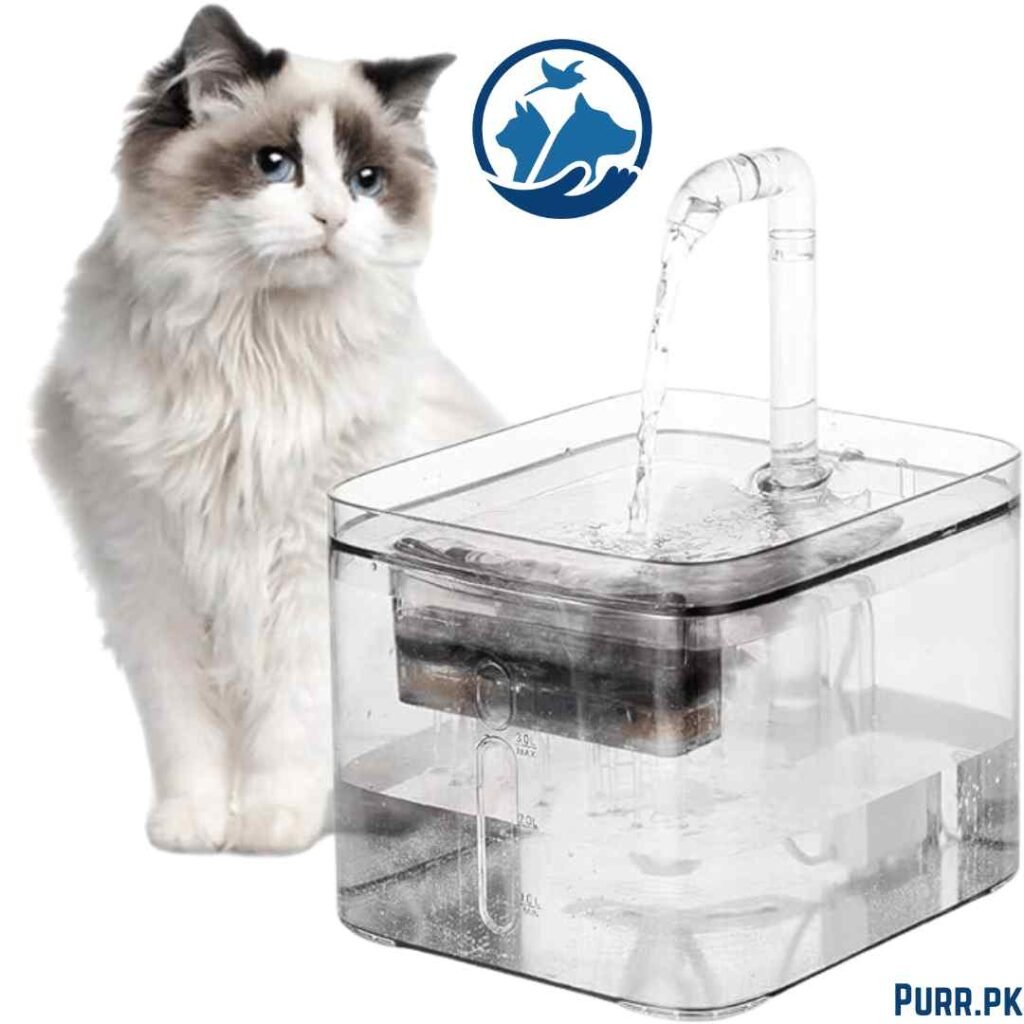
A typical cat water fountain includes:
| Component | Purpose |
|---|---|
| Water reservoir | Stores fresh water |
| Water pump | Circulates the water continuously |
| Filter | Removes dirt, hair, and odors |
| Spout or waterfall | Creates flowing water cats enjoy |
| Power source | Usually electric or USB powered |
Some premium models now include wireless pumps, motion sensors, LED indicators, and water-level alerts.
The Most Important Features to Look For
Choose the Right Material
Material affects durability, hygiene, and maintenance.
Stainless Steel
Many veterinarians recommend stainless steel because it is:
- Rust resistant
- Easy to sanitize
- Durable
- Scratch resistant
- Less likely to harbor bacteria
This is often considered the best long-term investment.
Ceramic
Ceramic fountains look beautiful and stay naturally cool.
Advantages include:
- Elegant appearance
- Heavy enough to prevent tipping
- Easy to clean
- Resistant to odors
However, chipped ceramic should be replaced immediately.
BPA-Free Plastic
Modern plastic fountains are affordable and lightweight.
Look for:
- Food-grade plastic
- BPA-free certification
- Smooth interior surfaces
- Dishwasher-safe components
Avoid low-quality plastic that scratches easily.
Consider the Water Capacity
Capacity depends on how many pets you own.
| Household | Recommended Capacity |
| One cat | 1–2 liters |
| Two cats | 2–3 liters |
| Three or more pets | 3–5 liters |
Larger reservoirs require fewer refills and provide greater convenience.
Look at the Filter System
A quality filtration system is one of the biggest reasons to buy a cat water fountain.
Most fountains use several filter layers.
Carbon Filter
Activated carbon removes:
- Bad taste
- Odors
- Chlorine
- Organic impurities
Foam Filter
Foam filters catch:
- Fur
- Dust
- Food particles
- Dirt
Multi-Layer Filtration
Premium fountains combine:
- Activated carbon
- Cotton
- Resin
- Sponge
- Fine mesh filtration
These systems keep drinking water cleaner for longer.
Quiet Operation Matters
Nobody wants a noisy fountain running all day.
Look for:
- Whisper-quiet pump
- Low vibration
- Brushless motor
- Silent water circulation
- Anti-noise design
Most quality fountains operate below 30 decibels.
If you barely notice the sound, your cat probably won’t either.
Easy Cleaning Is Essential
One mistake many buyers make is choosing a fountain that’s difficult to clean.
The easier maintenance is, the more consistently you’ll clean it.
Choose models with:
- Dishwasher-safe parts
- Removable pump
- Wide water basin
- Smooth interior
- Few hard-to-reach corners
Weekly cleaning is generally recommended.
Should You Buy a Smart Cat Water Fountain?
Smart pet products continue to grow in popularity.
Some advanced fountains now offer:
- Water level monitoring
- Filter replacement reminders
- Smartphone notifications
- Motion detection
- Energy-saving modes
- Automatic shut-off
- UV sterilization
- Real-time pump monitoring
While these features aren’t necessary for everyone, they can be useful for busy households.
Pump Quality Makes a Big Difference
The pump is the heart of every cat water fountain.
A reliable pump should be:
- Energy efficient
- Quiet
- Long lasting
- Easy to remove
- Easy to clean
Brushless pumps generally last longer and require less maintenance than older motor designs.
Different Water Flow Styles
Cats have different preferences.
Common flow options include:
Waterfall Flow
Ideal for cats that love running water.
Bubble Fountain
Produces gentle movement with minimal splashing.
Multiple Streams
Perfect for homes with several cats.
Adjustable Flow
Lets you customize water pressure to suit your pet.
Some curious cats enjoy stronger streams, while shy cats often prefer softer water movement.
Indoor Cats Benefit the Most
Indoor cats usually rely entirely on their owners for hydration.
A cat water fountain encourages natural drinking habits throughout the day and helps compensate for lower moisture intake, especially when eating dry kibble.
Combining wet food with a quality fountain often produces the best hydration results.
Think About Energy Consumption
Most fountains consume very little electricity.
Many operate between:
- 2W
- 5W
That makes them inexpensive to run year-round.
USB-powered models are becoming increasingly common in 2026.
Safety Features Worth Having
When shopping, prioritize safety.
Useful features include:
- Low-water protection
- Dry-run prevention
- Non-slip base
- Food-safe materials
- Waterproof connectors
- Stable design
These features extend the life of the fountain while protecting your home.
Common Mistakes Buyers Make
Even experienced pet owners occasionally buy the wrong fountain.
Avoid these common mistakes:
- Buying the cheapest model available
- Ignoring replacement filter costs
- Choosing a reservoir that’s too small
- Forgetting pump maintenance
- Overlooking cleaning requirements
- Purchasing low-quality plastic
- Ignoring noise levels
- Not reading warranty details
A slightly more expensive fountain often saves money over time.
Signs Your Cat Likes the Fountain
Wondering if your purchase was successful?
Positive signs include:
- Drinking more frequently
- Visiting the fountain throughout the day
- Playing gently with the water
- Spending less time searching for faucets
- Better hydration
- Healthier coat
- More consistent energy levels
Every cat adjusts at a different pace. Some use a new fountain immediately, while others may need several days.
Tips to Help Your Cat Adjust
Not every cat accepts a fountain on day one.
Try these simple strategies:
- Place the fountain where your cat normally drinks.
- Keep the old water bowl nearby for a few days.
- Let your cat investigate without forcing interaction.
- Keep the fountain running continuously.
- Clean it regularly to maintain fresh water.
- Reward curiosity with treats or praise.
Patience usually pays off.
How Often Should You Replace Filters?
Filter replacement depends on:
- Number of cats
- Water quality
- Fountain size
- Manufacturer recommendations
General guidelines:
| Filter Type | Replacement Frequency |
| Carbon filter | Every 2–4 weeks |
| Foam filter | Every 4–8 weeks |
| Pump cleaning | Weekly |
| Complete deep cleaning | Weekly |
Regular maintenance keeps water tasting fresh and extends the life of the fountain.
Is a Cat Water Fountain Worth the Cost?
For most pet owners, yes.
A quality cat water fountain offers long-term value by encouraging healthy hydration and reducing water contamination.
While the initial investment is higher than a traditional bowl, the health benefits often outweigh the cost.
Many owners notice that their cats naturally drink more water within the first few weeks.
Quick Buying Checklist
Before purchasing a cat water fountain, ask yourself these questions:
- Is it made from stainless steel, ceramic, or BPA-free plastic?
- Is the pump quiet?
- Are replacement filters easy to find?
- Is cleaning simple?
- Does it hold enough water?
- Does it have multiple filtration stages?
- Is it suitable for multiple cats?
- Does it have safety shut-off features?
- Is the warranty reasonable?
- Does it fit your available space?
If the answer is “yes” to most of these questions, you’re probably looking at a solid choice.
Final Thoughts
Choosing the best cat water fountain in 2026 isn’t about buying the most expensive model—it’s about finding the one that matches your cat’s habits and your daily routine. A fountain with reliable filtration, a quiet pump, easy maintenance, and safe materials can encourage better hydration for years to come.