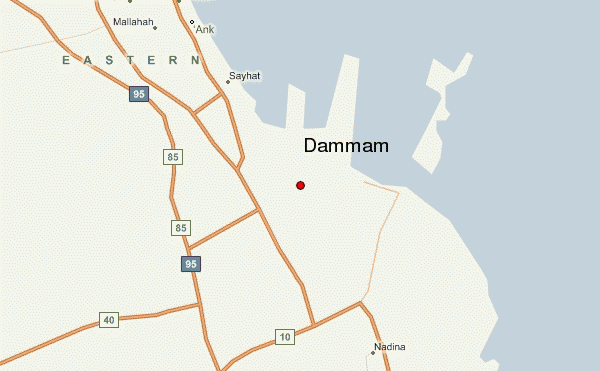

When people think about Saudi Arabia, many immediately imagine endless sunshine and scorching desert heat. While that picture isn’t entirely wrong, Dammam weather has its own unique personality. Located along the Arabian Gulf, Dammam experiences a coastal climate that combines high temperatures with noticeable humidity, making it quite different from many inland Saudi cities.
Whether you’re planning a vacation, relocating for work, or simply checking the weekly forecast before heading outdoors, understanding the local climate can make a huge difference. From blazing summer afternoons to surprisingly pleasant winter evenings, Dammam offers weather conditions that change throughout the year more than many people expect.
This guide covers everything you need to know about dammam weather, including a typical 7-day forecast, seasonal climate patterns, rainfall, humidity levels, travel advice, and practical tips for staying comfortable in every season.
Understanding Dammam Weather
Dammam is situated on Saudi Arabia’s eastern coast, directly facing the Arabian Gulf. Because of this location, the city experiences a hot desert climate with strong maritime influences.
Unlike cities located deeper in the desert, Dammam often feels warmer than the thermometer suggests because humidity levels can rise significantly, especially during summer.
Some defining characteristics of dammam weather include:
- Long, hot summers
- Mild and pleasant winters
- High humidity near the coast
- Limited annual rainfall
- Frequent sunshine throughout the year
- Occasional dust storms
- Warm sea temperatures
These factors combine to create weather conditions that are both predictable and occasionally challenging.
Typical 7-Day Dammam Weather Forecast
Although exact forecasts change daily, a normal week in Dammam generally follows consistent weather patterns.
| Day | Weather | High | Low | Conditions |
|---|---|---|---|---|
| Day 1 | Sunny | 41°C | 31°C | Light breeze |
| Day 2 | Mostly Sunny | 42°C | 32°C | Moderate humidity |
| Day 3 | Clear | 40°C | 30°C | Warm evening |
| Day 4 | Sunny | 41°C | 31°C | Coastal winds |
| Day 5 | Partly Cloudy | 39°C | 30°C | Humid afternoon |
| Day 6 | Sunny | 40°C | 31°C | Calm conditions |
| Day 7 | Mostly Sunny | 41°C | 31°C | Dry morning |
Keep in mind that temperatures vary significantly depending on the season. During winter, highs often range between 20°C and 26°C instead of exceeding 40°C.
Climate Overview Throughout the Year
Spring (March to May)
Spring is one of the most enjoyable seasons in Dammam.
Temperatures gradually rise while mornings remain comfortable. Outdoor activities become increasingly popular before the intense summer heat arrives.
Average conditions include:
- Daytime temperatures between 28°C and 38°C
- Pleasant evenings
- Low rainfall
- Moderate humidity
- Clear skies
Spring is an excellent time for sightseeing and family outings.
Summer (June to September)
Summer defines dammam weather more than any other season.
Daily temperatures frequently exceed 45°C, while humidity from the Arabian Gulf creates extremely high heat index values.
During summer, residents often:
- Stay indoors during afternoon hours
- Use air conditioning extensively
- Schedule outdoor work early in the morning
- Visit beaches after sunset
Hydration becomes especially important during this period.
Autumn (October to November)
Autumn offers welcome relief after months of extreme heat.
Temperatures gradually decrease while humidity becomes more manageable.
Typical autumn weather includes:
- Warm afternoons
- Comfortable evenings
- Less oppressive humidity
- Clear skies
- Ideal outdoor conditions
Many local festivals and community events take place during these months.
Winter (December to February)
Winter surprises many first-time visitors.
Rather than freezing temperatures, Dammam enjoys mild days and cool nights.
Average winter conditions include:
- Daytime highs between 20°C and 26°C
- Night temperatures around 12°C to 16°C
- Pleasant walking weather
- Occasional light rain
- Low humidity
This season is widely considered the best time to visit.
Average Monthly Temperatures
| Month | Average High | Average Low |
| January | 21°C | 12°C |
| February | 23°C | 14°C |
| March | 28°C | 18°C |
| April | 34°C | 23°C |
| May | 40°C | 28°C |
| June | 43°C | 31°C |
| July | 44°C | 33°C |
| August | 44°C | 33°C |
| September | 41°C | 30°C |
| October | 36°C | 25°C |
| November | 29°C | 19°C |
| December | 23°C | 14°C |
These averages provide a helpful overview for travelers planning their visit.
Humidity and How It Affects Dammam Weather
One factor that distinguishes dammam weather from many other Saudi cities is humidity.
Because Dammam lies beside the Arabian Gulf, moisture levels often become quite high, particularly during summer.
High humidity can:
- Make temperatures feel hotter
- Increase sweating
- Reduce outdoor comfort
- Slow body cooling
- Cause hazy mornings
Residents quickly adapt by staying hydrated and limiting outdoor activity during peak afternoon hours.
Rainfall in Dammam
Rainfall is relatively rare.
Most precipitation occurs during winter and early spring.
Annual rainfall averages only around 80 to 100 millimeters.
Rain usually appears as:
- Short showers
- Passing thunderstorms
- Brief cloudy periods
- Occasional heavy bursts
Flooding is uncommon but may occur after unusually intense rainfall because heavy storms can overwhelm drainage systems.
Sunshine Throughout the Year
One reason many people appreciate dammam weather is the abundance of sunshine.
The city enjoys approximately:
- 300 to 330 sunny days annually
- Long daylight hours during summer
- Clear blue skies
- Excellent visibility most days
These conditions make solar energy highly effective throughout the region.
Dust Storms and Sandstorms
Like much of the Arabian Peninsula, Dammam occasionally experiences dust storms.
These weather events usually occur when strong winds lift fine desert sand into the atmosphere.
During a dust storm, residents may notice:
- Reduced visibility
- Poor air quality
- Windy conditions
- Dust accumulation on vehicles
- Temporary travel delays
People with asthma or respiratory conditions should remain indoors whenever possible.
Sea Conditions Along the Arabian Gulf
The Arabian Gulf strongly influences dammam weather.
Sea temperatures remain warm for most of the year.
Approximate water temperatures include:
- Winter: 20°C to 23°C
- Spring: 24°C to 29°C
- Summer: 31°C to 35°C
- Autumn: 27°C to 30°C
Swimming remains popular throughout much of the year, especially during autumn and spring.
Best Time to Visit Dammam
Choosing the right season can dramatically improve your experience.
The best months include:
- November
- December
- January
- February
- March
During these months, visitors enjoy:
- Comfortable walking weather
- Lower humidity
- Pleasant evenings
- Better sightseeing conditions
- Outdoor dining opportunities
Summer visits remain possible but require careful planning around the midday heat.
What to Wear Based on Dammam Weather
Packing appropriately helps you stay comfortable.
Summer Clothing
- Lightweight cotton shirts
- Breathable fabrics
- Sunglasses
- Wide-brim hats
- Sunscreen
- Comfortable sandals
Winter Clothing
- Light jacket
- Long-sleeved shirts
- Comfortable jeans
- Walking shoes
- Thin sweater for evenings
Layering works particularly well during winter because mornings and evenings feel much cooler than afternoons.
Travel Tips for Every Season
If you’re unfamiliar with dammam weather, these practical suggestions can make your trip far more enjoyable.
- Drink water regularly.
- Wear sunscreen daily.
- Avoid prolonged afternoon exposure.
- Carry sunglasses.
- Check daily weather forecasts.
- Keep a light jacket during winter evenings.
- Monitor dust storm warnings.
- Wear breathable clothing.
- Protect electronics from sand.
- Plan outdoor sightseeing early.
These simple habits make a noticeable difference.
How Dammam Weather Affects Daily Life
Weather influences almost every aspect of life in Dammam.
Residents often schedule activities around temperature changes.
For example:
Morning is ideal for walking, jogging, cycling, and outdoor exercise.
Afternoons are generally reserved for indoor work, shopping malls, restaurants, and air-conditioned spaces.
Evenings become lively as families gather in parks, waterfront areas, cafés, and shopping districts after sunset.
This daily rhythm is a normal part of life throughout much of eastern Saudi Arabia.
Air Quality and Weather Conditions
Air quality generally remains good.
However, temporary reductions may occur because of:
- Dust storms
- Construction activity
- Strong desert winds
- High pollen levels during certain periods
Checking local air quality reports is beneficial for individuals with allergies or respiratory conditions.
Why Humidity Feels More Intense Than Temperature
Visitors are often surprised that 38°C in Dammam feels hotter than 42°C elsewhere.
The reason is humidity.
When moisture levels rise, sweat evaporates more slowly, reducing the body’s natural cooling system.
As a result:
- Heat feels more oppressive.
- Outdoor exercise becomes harder.
- Fatigue develops faster.
- Heat stress risk increases.
This explains why dammam weather deserves attention beyond simply checking the daily temperature.
Climate Change and Future Weather Trends
Like many coastal cities worldwide, Dammam continues experiencing gradual climate changes.
Experts have observed trends such as:
- Longer heat waves
- Slightly warmer average temperatures
- More frequent extreme heat events
- Rising humidity during some seasons
- Changing rainfall patterns
These developments make accurate weather forecasting increasingly valuable for residents and visitors alike.
Final Thoughts
Understanding dammam weather allows you to plan smarter, travel more comfortably, and enjoy everything this vibrant Gulf city has to offer. While summer brings intense heat and humidity, the cooler months provide ideal conditions for exploring the waterfront, enjoying outdoor attractions, and experiencing local culture.