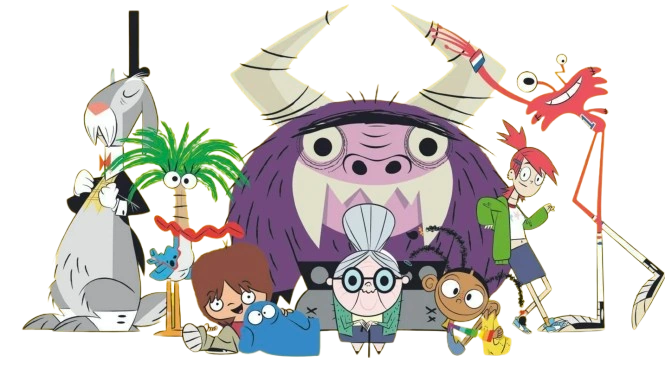

A World Filled with Imagination and Heart
Some animated shows entertain audiences for a few years before fading into nostalgia. Others become timeless classics that continue to attract new fans long after their final episode. Foster’s Home for Imaginary Friends belongs to the second category. With its colorful animation, unforgettable characters, clever storytelling, and heartfelt lessons, the series remains one of Cartoon Network’s most beloved creations.
Whether you watched the show during its original television run or recently discovered it through streaming, there’s something special about stepping into a world where imaginary friends are real. The series proves that creativity has no age limit and that friendship can come in the most unexpected forms.
In this complete guide, we’ll explore everything you need to know about foster’s home for imaginary friends, from its fascinating story and memorable characters to its lasting cultural impact and enduring popularity.
What Is Foster’s Home for Imaginary Friends?
Foster’s Home for Imaginary Friends is an animated comedy television series created by Craig McCracken. The show premiered on Cartoon Network in 2004 and quickly became one of the network’s flagship cartoons.
The story revolves around a unique mansion that serves as a safe haven for imaginary friends whose creators have grown up or no longer need them. Instead of disappearing, these imaginative companions find a second chance at life while waiting to be adopted by new children.
At the heart of the story is Mac, an intelligent young boy who visits the home every day to spend time with his best friend, Bloo. Since Mac’s mother insists that he’s too old to have an imaginary friend, Bloo stays at Foster’s while their friendship continues.
This creative premise allows every episode to introduce new personalities, humorous adventures, and meaningful life lessons.
The Story Behind the Series
Craig McCracken wanted to create something different from traditional cartoons. Rather than focusing solely on superheroes or action-packed adventures, he imagined a place where childhood creativity never truly disappeared.
The inspiration reportedly came from the simple question:
“What happens to imaginary friends after children grow up?”
That idea became the foundation of an imaginative universe filled with colorful characters and endless storytelling possibilities.
The show’s unique blend of comedy, emotional storytelling, fantasy, and slice-of-life adventures helped it stand apart from many animated series of its era.
Meet the Main Characters
One reason foster’s home for imaginary friends remains so memorable is its incredible cast.
Mac
Mac is an eight-year-old boy known for his intelligence, kindness, and maturity. Despite facing challenges at home, he always puts others first.
His friendship with Bloo forms the emotional center of the entire series.
Blooregard “Bloo” Q. Kazoo
Usually called Bloo, he’s one of animation’s funniest imaginary friends.
Bloo is:
- Mischievous
- Self-centered
- Funny
- Creative
- Loyal beneath his flaws
His constant schemes often create chaos inside Foster’s Home.
Madame Foster
The elderly founder of Foster’s Home proves that age has nothing to do with imagination.
She remains cheerful, adventurous, and surprisingly energetic throughout the series.
Mr. Herriman
The strict rabbit-like administrator keeps the mansion running according to countless rules.
Although serious most of the time, he genuinely cares about every resident.
Wilt
Wilt is one of the friendliest characters in the show.
Known for constantly apologizing and helping everyone, he demonstrates kindness without expecting anything in return.
Eduardo
Despite looking intimidating, Eduardo is actually gentle and sensitive.
His fear of almost everything creates many hilarious situations.
Coco
Coco communicates almost entirely by saying her own name.
Yet somehow everyone understands exactly what she means.
Her unpredictable behavior often saves the day in unexpected ways.
Why the Characters Feel So Real
Every resident of Foster’s Home has strengths and weaknesses.
Instead of creating perfect heroes, the writers gave each character believable personalities.
For example:
| Character | Best Trait | Biggest Flaw |
|---|---|---|
| Mac | Responsible | Worries too much |
| Bloo | Creative | Selfish |
| Wilt | Kind | Overly apologetic |
| Eduardo | Loyal | Easily frightened |
| Coco | Resourceful | Completely unpredictable |
| Mr. Herriman | Organized | Too strict |
These imperfections make every relationship feel authentic.
The Unique Setting
The mansion itself feels like another character.
Every hallway contains surprises.
Every room introduces strange inventions, unusual imaginary friends, or unexpected adventures.
The setting combines:
- Victorian architecture
- Bright cartoon colors
- Fantasy elements
- Whimsical designs
- Secret rooms
- Magical objects
- Endless creativity
It creates a place audiences instantly recognize.
Themes That Make the Show Timeless
Although foster’s home for imaginary friends is packed with comedy, it also explores meaningful themes.
Friendship
The relationship between Mac and Bloo reminds viewers that true friendship requires patience, forgiveness, and understanding.
Growing Up
Children eventually mature, but imagination doesn’t have to disappear.
The show suggests creativity can stay with us throughout life.
Acceptance
Every imaginary friend looks different.
Some are strange.
Others are scary.
Many are silly.
Yet everyone deserves kindness and a place to belong.
Family
The residents of Foster’s Home aren’t related by blood.
Still, they become one big family.
This message resonates with audiences of every age.
Animation Style
One of the biggest reasons foster’s home for imaginary friends still looks modern is its distinctive visual style.
The series blended:
- Traditional cartoon aesthetics
- Digital animation
- Smooth movement
- Bright color palettes
- Expressive facial animations
- Creative character designs
Instead of chasing realism, the creators embraced exaggerated expressions and imaginative worlds.
That artistic choice helped the show age remarkably well.
Humor for Every Generation
Children laugh at Bloo’s ridiculous behavior.
Teenagers appreciate the clever jokes.
Adults notice subtle references and witty dialogue they may have missed years earlier.
The writers balanced slapstick comedy with smart storytelling, allowing the show to entertain entire families.
Rather than relying on repetitive jokes, every episode introduced fresh situations and memorable comedic moments.
Memorable Episodes
Several episodes are frequently considered fan favorites because they perfectly capture the spirit of foster’s home for imaginary friends.
Popular stories often include:
- Bloo creating chaos with one of his impulsive ideas
- Mac trying to solve impossible problems
- Wilt helping everyone despite overwhelming odds
- Eduardo overcoming his fears
- Coco surprising everyone with unexpected solutions
- Madame Foster joining outrageous adventures
These episodes combine humor, emotion, and creativity in ways that remain entertaining years later.
Awards and Recognition
During its original run, the series earned widespread critical acclaim.
Its achievements include recognition for:
- Outstanding animation
- Voice acting
- Character design
- Children’s programming
- Creative storytelling
- Television excellence
Winning multiple industry awards further cemented its place among Cartoon Network’s greatest original productions.
Why Fans Still Love Foster’s Home for Imaginary Friends
Even years after its finale, the fan community remains active.
People continue creating:
- Fan art
- Cosplay
- Online discussions
- Video essays
- Character rankings
- Merchandise collections
- Digital artwork
- Animation tributes
The show’s optimistic message and memorable cast continue attracting new generations of viewers.
Many adults who watched it as children now introduce it to younger family members, proving its lasting appeal.
The combination of humor, heart, and imagination ensures that foster’s home for imaginary friends remains far more than just another animated series—it remains a celebration of creativity itself.