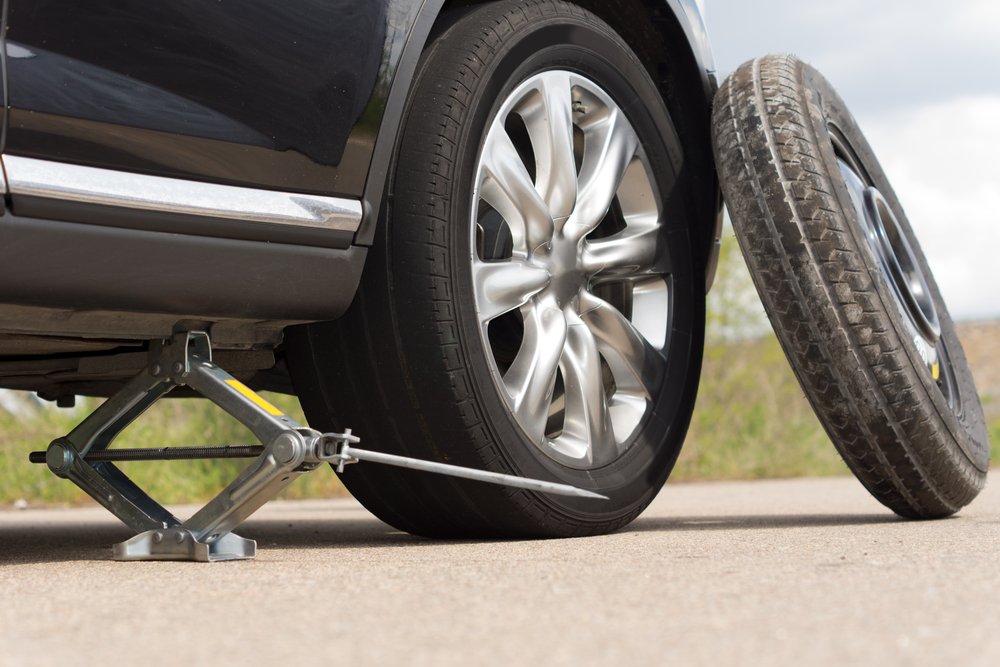

There’s nothing quite like the sinking feeling of hearing that unmistakable flap-flap-flap sound while driving. One minute you’re heading to work, a road trip, or the grocery store, and the next you’re pulled over with a flat tire wondering what to do next.
For many beginners, learning how to change a tire feels intimidating at first. However, once you understand the process, it becomes a practical life skill that can save time, money, and stress. More importantly, knowing how to handle a roadside emergency safely can protect you and your passengers.
The good news is that changing a tire is far simpler than most people think. You don’t need to be a mechanic, and you definitely don’t need years of automotive experience. With the right tools, a calm mindset, and a few basic safety precautions, you can replace a damaged tire confidently.
This complete guide walks you through everything beginners need to know about how to change a tire safely, from preparing your vehicle to tightening the final lug nut correctly.
Why Learning How to Change a Tire Matters
Flat tires happen to almost everyone eventually. Nails, potholes, road debris, worn tread, and even extreme weather conditions can damage your tires unexpectedly.
If you know how to change a tire, you can:
- Avoid long roadside waits
- Save money on towing services
- Stay safer in isolated areas
- Prevent further wheel damage
- Feel more confident behind the wheel
In addition, understanding basic tire maintenance improves your overall vehicle safety and helps extend tire life.
Signs You Have a Flat Tire
Sometimes a flat tire is obvious. Other times, the warning signs are subtle. Here are the most common symptoms:
- Steering feels heavy or unstable
- The vehicle pulls to one side
- You hear flapping or thumping noises
- Tire pressure warning light appears
- The car vibrates excessively
- You notice reduced fuel efficiency
If you suspect a tire issue, slow down gradually and find a safe location to inspect your vehicle.
Essential Tools You Need Before Changing a Tire
Before learning how to change a tire, it’s important to know the tools involved. Most vehicles come equipped with basic roadside emergency tools.
Standard Tire-Changing Tools
| Tool | Purpose |
|---|---|
| Spare tire | Replaces the damaged tire |
| Car jack | Lifts the vehicle |
| Lug wrench | Removes lug nuts |
| Wheel wedges | Prevent rolling |
| Flashlight | Improves visibility at night |
| Gloves | Protect hands |
| Tire pressure gauge | Checks spare tire pressure |
Helpful Extra Items
Although not required, these can make the process easier:
- Reflective safety vest
- Portable air compressor
- Rain poncho
- Tire repair kit
- Road flares
- Torque wrench
Many drivers forget to check whether their spare tire is properly inflated. Unfortunately, an unused spare can lose air over time. Therefore, inspect it every few months.
Safety Comes First
Safety should always be your top priority when learning how to change a tire.
Find a Safe Spot
Never stop in the middle of traffic unless absolutely necessary. Instead:
- Pull onto a flat surface
- Move away from curves or hills
- Avoid soft ground
- Turn on hazard lights
- Stay visible to other drivers
Parking lots, wide shoulders, and rest areas are usually safer than narrow roadside lanes.
Engage the Parking Brake
This step prevents the car from rolling while elevated.
If driving a manual transmission vehicle, shift into first gear or reverse. For automatic transmissions, place the vehicle in park.
Use Wheel Wedges
Wheel wedges or heavy objects placed behind the tires help stabilize the vehicle further.
Step-by-Step Guide: How to Change a Tire
Now let’s break down exactly how to change a tire safely and correctly.
Step 1: Remove the Hubcap or Wheel Cover
Some vehicles have decorative hubcaps covering the lug nuts.
Use the flat end of the lug wrench to gently pry it off. Set it aside safely so it doesn’t get scratched or lost.
Not all cars have hubcaps, so don’t worry if yours doesn’t.
Step 2: Loosen the Lug Nuts
This is one of the most important parts of learning how to change a tire.
Before lifting the vehicle, loosen the lug nuts slightly. Do not remove them completely yet.
How to Loosen Lug Nuts Properly
- Turn counterclockwise
- Use body weight if needed
- Apply steady pressure
- Avoid jerking motions
Lug nuts are often tightened firmly. Therefore, beginners sometimes think they’re stuck permanently. In reality, they simply require more force.
Step 3: Position the Jack Correctly
Improper jack placement can damage the car or create dangerous instability.
Check your owner’s manual to locate the proper jacking point. Most vehicles have reinforced metal sections behind the front wheels or ahead of the rear wheels.
Common Jacking Mistakes
- Placing the jack on soft ground
- Lifting from weak body panels
- Using uneven surfaces
- Ignoring manufacturer instructions
Raise the vehicle slowly until the flat tire is several inches off the ground.
Step 4: Remove the Lug Nuts Completely
Now fully unscrew the loosened lug nuts and place them somewhere secure.
Many beginners lose lug nuts by placing them on uneven ground. A small container or cup holder works surprisingly well.
Step 5: Remove the Flat Tire
Grip the tire firmly with both hands and pull it straight toward you.
Sometimes the wheel sticks because of rust or corrosion. If this happens:
- Wiggle gently side to side
- Avoid excessive force
- Tap lightly if necessary
Once removed, lay the flat tire flat on the ground nearby.
Step 6: Mount the Spare Tire
Align the spare tire with the wheel bolts and push it onto the hub carefully.
This step can feel awkward for first-timers because tires are heavier than expected. Take your time and keep your back straight while lifting.
Once mounted, hand-tighten the lug nuts to hold the wheel in place.
Step 7: Tighten the Lug Nuts in a Star Pattern
A star or crisscross pattern ensures even pressure distribution.
For example:
- Top lug nut
- Bottom opposite
- Left side
- Right side
- Remaining lug nut
This technique prevents wheel imbalance and improves safety.
At this stage, tighten only partially while the vehicle remains elevated.
Step 8: Lower the Vehicle Slowly
Use the jack carefully to lower the car until the tire touches the ground fully.
Once stable, remove the jack completely.
Step 9: Fully Tighten the Lug Nuts
Now firmly tighten the lug nuts again using the same star pattern.
This final tightening step is critical when learning how to change a tire properly. Loose lug nuts can become extremely dangerous while driving.
If possible, use a torque wrench to match manufacturer specifications.
Step 10: Check Tire Pressure
A spare tire with low pressure may not be safe for highway driving.
Use a tire pressure gauge immediately after installation.
Temporary spare tires, often called donut tires, usually require higher PSI levels than standard tires.
Understanding Different Types of Spare Tires
Not all spare tires are the same.
Full-Size Spare Tire
A full-size spare matches your regular tires and can usually handle normal driving temporarily.
Donut Spare Tire
A donut spare is smaller and lighter. However, it has limitations:
- Lower speed limits
- Reduced handling
- Short driving distance
Most donut tires should not exceed 50 mph.
Run-Flat Tires
Some modern vehicles use run-flat tires, allowing limited driving after puncture damage.
Even so, they still require replacement or repair eventually.
Common Mistakes Beginners Make
When learning how to change a tire, beginners often repeat the same errors.
Forgetting the Parking Brake
This creates serious rollover risk.
Lifting Before Loosening Lug Nuts
Trying to loosen lug nuts after lifting causes wheel spinning.
Jacking on Uneven Ground
This increases instability dramatically.
Overtightening Lug Nuts
Too much force can damage wheel studs.
Ignoring Spare Tire Pressure
An underinflated spare may fail quickly.
Avoiding these mistakes makes the process much safer and easier.
What Causes Flat Tires?
Understanding common causes helps prevent future problems.
Road Hazards
Nails, screws, broken glass, and potholes are major culprits.
Underinflation
Low tire pressure increases sidewall stress and overheating.
Overloading
Too much vehicle weight strains tires excessively.
Worn Tire Tread
Old tires lose grip and become more vulnerable to punctures.
Valve Stem Damage
Tiny leaks from damaged valve stems gradually reduce pressure.
Regular inspections can significantly reduce your chances of experiencing a roadside tire emergency.
Tire Maintenance Tips Every Driver Should Know
Knowing how to change a tire is important, but prevention matters too.
Check Tire Pressure Monthly
Proper inflation improves:
- Fuel economy
- Tire lifespan
- Braking performance
- Handling
Rotate Tires Regularly
Tire rotation promotes even tread wear.
Most vehicles benefit from rotation every 5,000 to 8,000 miles.
Inspect Tread Depth
Worn tread reduces traction, especially during rain.
The penny test remains a simple way to check tread depth.
Watch for Uneven Wear
Uneven wear may indicate:
- Poor alignment
- Suspension problems
- Incorrect tire pressure
Addressing these issues early prevents larger repairs.
How Weather Affects Tires
Temperature changes influence tire pressure significantly.
Hot Weather
Heat expands air inside tires and increases blowout risk.
Cold Weather
Cold temperatures reduce tire pressure rapidly.
During winter, tire pressure may drop several PSI overnight.
Therefore, seasonal tire checks are extremely important.
What to Do After Changing a Tire
Once you successfully complete the process, your job isn’t entirely finished.
Visit a Tire Shop Soon
Temporary spare tires are not long-term solutions.
A professional should inspect:
- Wheel alignment
- Tire damage
- Rim condition
- Suspension components
Repair or Replace the Flat Tire
Some punctures can be patched safely. Others require full replacement.
Generally, sidewall damage cannot be repaired.
Repack Your Emergency Kit
Replace used supplies immediately so you’re prepared next time.
Roadside Emergency Tips for Beginners
Learning how to change a tire also means preparing mentally for stressful situations.
Stay Calm
Panicking increases mistakes.
Stay Visible
Use hazard lights and reflective markers whenever possible.
Avoid Traffic-Side Exposure
Stand away from moving vehicles while working.
Call for Help if Needed
There’s no shame in contacting roadside assistance if conditions feel unsafe.
Heavy traffic, darkness, storms, or physical limitations may justify professional help.
How Long Does It Take to Change a Tire?
For beginners, changing a tire usually takes 30 to 45 minutes.
With practice, many drivers can complete the process in under 20 minutes.
Speed improves naturally through familiarity and confidence.
Can You Drive on a Flat Tire?
Technically, yes — but only for a very short distance in emergencies.
Driving on a flat tire can:
- Destroy the wheel rim
- Damage suspension components
- Increase repair costs
- Create dangerous handling problems
Therefore, stop safely as soon as possible.
Why Confidence Matters
Many people avoid learning how to change a tire because they assume it’s too difficult. However, confidence grows quickly once you try it yourself.
The first time may feel awkward. Your hands might get dirty. You may need to double-check instructions. That’s completely normal.
What matters is understanding the basic process and staying safe throughout it.
Over time, changing a tire becomes just another useful skill — like jump-starting a battery or checking engine oil.
Final Thoughts on How to Change a Tire Safely
Learning how to change a tire is one of the smartest and most practical skills any driver can develop. Flat tires rarely happen at convenient times, which makes preparation incredibly valuable.
By understanding proper tire-changing steps, using the correct tools, and following safety precautions carefully, even complete beginners can handle a roadside tire emergency confidently.
Remember, the goal isn’t perfection. It’s safety, awareness, and readiness.
The next time you hear that dreaded flapping sound on the road, you won’t feel helpless. Instead, you’ll know exactly what to do.