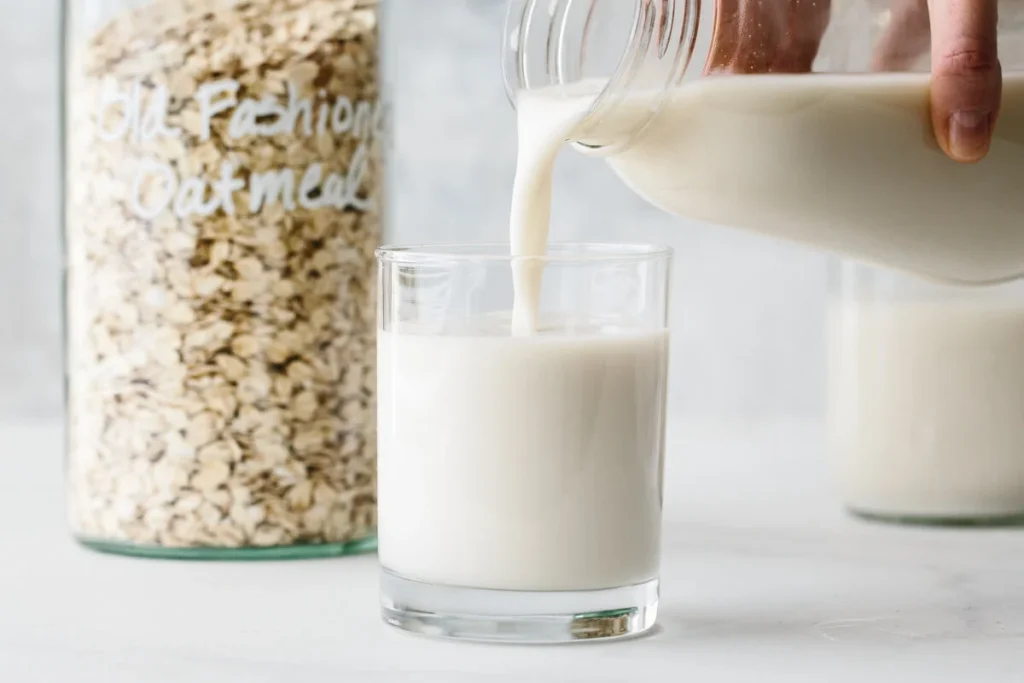

Oat milk has become one of the most popular dairy-free alternatives in recent years, and it’s easy to see why. It’s creamy, naturally sweet, budget-friendly, and incredibly versatile. Whether you pour it into your morning coffee, blend it into smoothies, or use it for baking, homemade oat milk can rival many store-bought versions when made correctly.
The challenge? Many people try making oat milk at home only to end up with a slimy, watery, or grainy result.
The good news is that learning how to make oat milk that’s consistently creamy isn’t difficult. Once you understand a few simple techniques, you can create rich, smooth oat milk in your own kitchen whenever you need it.
In this guide, you’ll discover everything from ingredient selection to blending techniques, common mistakes to avoid, flavor variations, storage tips, and expert tricks that make a noticeable difference.
Why Make Oat Milk at Home?
Store-bought oat milk is convenient, but homemade versions offer several advantages:
- Lower cost per serving
- No unnecessary additives
- Adjustable sweetness levels
- Customizable flavors
- Environmentally friendly
- Fresh taste
- Control over ingredients
- No preservatives
Many commercial brands include oils, stabilizers, gums, and emulsifiers. While these ingredients help create a creamy texture, they aren’t always necessary when you know how to make oat milk properly.
What Makes Oat Milk So Popular?
Oat milk has gained a loyal following because it combines great taste with practical benefits.
Key Benefits of Oat Milk
- Naturally lactose-free
- Dairy-free
- Nut-free
- Vegan-friendly
- Rich texture
- Mild flavor
- Easy to digest
- Sustainable ingredient source
Unlike almond milk, oat milk often provides a fuller mouthfeel that works beautifully in coffee drinks, cereal bowls, and creamy recipes.
Ingredients You’ll Need
One of the best things about learning how to make oat milk is how simple the ingredient list is.
| Ingredient | Amount |
|---|---|
| Rolled oats | 1 cup |
| Cold water | 4 cups |
| Salt | Pinch |
| Optional sweetener | 1–2 teaspoons |
| Vanilla extract | ½ teaspoon |
Best Oats for Homemade Oat Milk
Not all oats produce the same results.
Recommended Options
- Old-fashioned rolled oats
- Certified gluten-free oats
- Organic rolled oats
Oats to Avoid
- Instant oats
- Steel-cut oats
- Flavored oatmeal packets
Rolled oats create the smoothest texture and are ideal when learning how to make oat milk at home.
The Perfect Creamy Oat Milk Recipe
Step 1: Measure Your Ingredients
Add:
- 1 cup rolled oats
- 4 cups ice-cold water
- Small pinch of salt
Using cold water is one of the most important secrets for preventing slimy oat milk.
Step 2: Blend Briefly
Place everything into a high-speed blender.
Blend for:
- 30–40 seconds maximum
Avoid overblending.
This is where many homemade oat milk recipes go wrong. Excess blending releases more starch from the oats, leading to a gummy texture.
Step 3: Strain Carefully
Pour the mixture through:
- Nut milk bag
- Fine mesh strainer
- Cheesecloth
Do not squeeze the oat pulp aggressively.
Gentle straining creates smoother milk while reducing sliminess.
Step 4: Chill and Store
Transfer your oat milk into a glass jar or airtight container.
Refrigerate before serving for the best flavor and texture.
That’s the basic process of how to make oat milk successfully.
The Biggest Mistakes People Make
Even a simple recipe can go wrong if certain details are overlooked.
Using Warm Water
Warm water activates starches quickly.
The result:
- Slimy texture
- Thick consistency
- Less pleasant mouthfeel
Always use cold or ice water.
Overblending
Long blending times break down oat fibers excessively.
Instead of creamy oat milk, you’ll get a gelatinous liquid.
Over-Straining
Pressing too hard on the pulp forces starches through the filter.
A gentle strain is all you need.
Wrong Oat-to-Water Ratio
Too many oats create heaviness.
Too much water creates thin milk.
A 1:4 ratio offers an excellent starting point.
How to Make Oat Milk Extra Creamy
If you’re specifically looking for café-quality results, these tricks can help.
Add Healthy Fats
Commercial oat milk often includes oils.
For a richer homemade version, add:
- 1 tablespoon light olive oil
- 1 tablespoon avocado oil
- 1 tablespoon melted coconut oil
The result is a creamier texture and improved frothing ability.
Use Filtered Water
Filtered water improves flavor significantly.
Because oat milk contains very few ingredients, water quality becomes more noticeable.
Add Cashews
A small handful of soaked cashews can create a luxurious consistency.
This method works particularly well for:
- Coffee creamer
- Lattes
- Creamy sauces
Blend With Ice Cubes
Ice helps maintain a lower blending temperature.
Lower temperatures reduce starch activation and improve texture.
Flavor Variations to Try
Once you’ve mastered how to make oat milk, experimenting becomes fun.
Vanilla Oat Milk
Add:
- ½ teaspoon vanilla extract
- 1 teaspoon maple syrup
Cinnamon Oat Milk
Add:
- ¼ teaspoon cinnamon
- Small dash nutmeg
Chocolate Oat Milk
Add:
- 1 tablespoon cocoa powder
- 1 tablespoon maple syrup
Date-Sweetened Oat Milk
Blend in:
- 1 pitted Medjool date
Coffee Oat Milk
Add:
- 1 teaspoon instant espresso powder
Perfect for iced coffee drinks.
Nutritional Benefits of Oat Milk
Homemade oat milk contains valuable nutrients naturally found in oats.
Potential Nutrients
- Dietary fiber
- Complex carbohydrates
- Iron
- Magnesium
- Zinc
- Phosphorus
- B vitamins
Although homemade versions may not be fortified like commercial products, they still provide beneficial plant-based nutrition.
How Long Does Homemade Oat Milk Last?
Fresh oat milk generally stays good for:
- 4–5 days in the refrigerator
Store it in:
- Glass bottles
- Mason jars
- Airtight containers
Always shake before use because natural separation is normal.
Can You Froth Homemade Oat Milk?
Many coffee lovers wonder if homemade oat milk can create latte foam.
The answer is yes, but results vary.
Better Frothing Tips
- Add a teaspoon of oil
- Use cold milk
- Blend thoroughly before storing
- Use a milk frother
- Try barista-style ratios
Knowing how to make oat milk for coffee often requires slightly more fat than standard recipes.
What to Do With Leftover Oat Pulp
Don’t throw it away.
Leftover oat pulp can be reused in several creative ways.
Baking
Add to:
- Muffins
- Pancakes
- Cookies
- Bread
Smoothies
Blend directly into fruit smoothies.
Oatmeal
Mix into your breakfast bowl for extra fiber.
Energy Bites
Combine with:
- Peanut butter
- Honey
- Chia seeds
Granola
Mix into homemade granola recipes.
Reducing food waste is another great reason to learn how to make oat milk at home.
Homemade Oat Milk vs Store-Bought Oat Milk
| Feature | Homemade | Store-Bought |
| Cost | Lower | Higher |
| Freshness | Excellent | Moderate |
| Additives | None | Often included |
| Shelf Life | Shorter | Longer |
| Flavor Control | Complete | Limited |
| Sweetness Control | Complete | Limited |
| Sustainability | High | Moderate |
For most households, homemade oat milk wins when freshness and ingredient control matter most.
Frequently Asked Questions
Why Is My Oat Milk Slimy?
The most common causes include:
- Warm water
- Overblending
- Excessive squeezing during straining
These factors release more starch from the oats.
Can I Heat Oat Milk?
Yes.
However, homemade oat milk may thicken when heated because of its starch content.
Gentle warming works best.
Can I Freeze Oat Milk?
Yes, but texture changes may occur.
After thawing:
- Shake well
- Blend briefly if necessary
Is Oat Milk Healthy?
For many people, oat milk can be part of a balanced diet.
It provides:
- Plant-based nutrition
- Fiber
- Dairy-free convenience
Can I Use Quick Oats?
It’s possible, but rolled oats generally produce better results and a smoother consistency.
Expert Tips for Perfect Results Every Time
After years of experimentation, many home cooks follow these simple rules:
- Always use rolled oats.
- Use ice-cold water.
- Blend no longer than 40 seconds.
- Strain gently.
- Store immediately in the refrigerator.
- Shake before serving.
- Add a small amount of healthy fat for richness.
- Avoid heating during preparation.
- Use a high-speed blender.
- Keep ingredients simple.
Following these guidelines dramatically improves the quality of homemade oat milk.
The Secret Behind Truly Creamy Oat Milk
When people search for how to make oat milk, they’re usually after one thing: creaminess.
The secret isn’t a complicated ingredient or expensive equipment.
It’s understanding how oats behave.
Cold temperatures, controlled blending, gentle straining, and proper ratios create the silky texture most people want. Once you master these fundamentals, you’ll find homemade oat milk surprisingly easy and reliable.
Whether you’re making dairy-free lattes, healthy smoothies, overnight oats, vegan desserts, or creamy soups, a well-made batch of oat milk can become a staple in your kitchen.
Conclusion
Learning how to make oat milk is one of the simplest kitchen skills that delivers big rewards. With just a handful of ingredients and a few minutes of preparation, you can enjoy fresh, creamy, dairy-free milk whenever you want.
The key is avoiding common mistakes. Use rolled oats, keep everything cold, blend briefly, and strain gently. These small adjustments transform an average batch into silky, delicious oat milk that tastes remarkably close to premium store-bought brands.