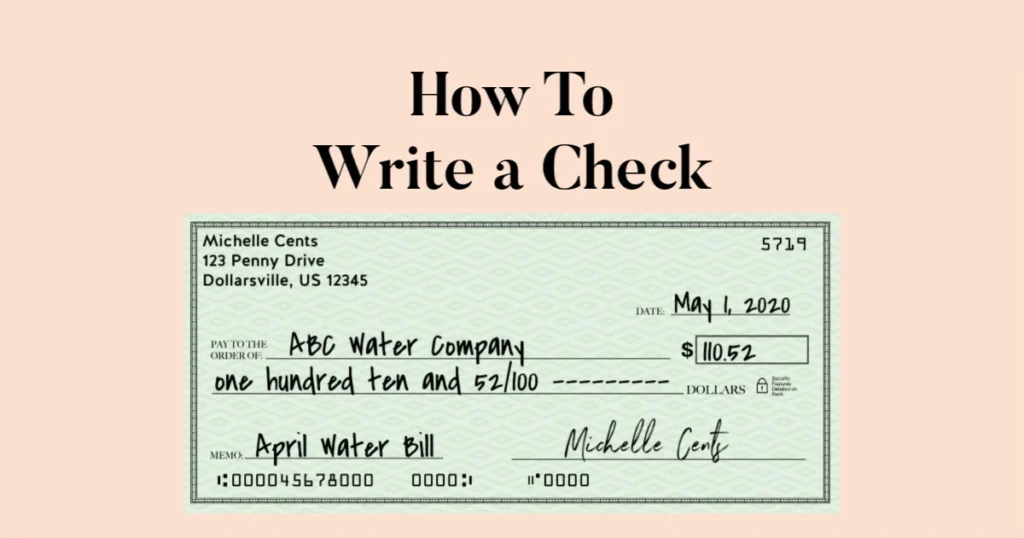

Writing a check might feel old-fashioned in a world filled with digital wallets, mobile banking apps, and instant transfers. But here’s the truth: checks are still widely used in rent payments, business transactions, government fees, and personal exchanges. And if you don’t know how to handle them properly, even a small mistake can create unnecessary confusion.
That’s why learning How to Write a Check in 7 Simple Steps is still a practical life skill. It may seem simple, but there’s a correct way to do it—one that ensures your payment is processed smoothly and securely. Whether you’re a student, a professional, or someone just opening their first bank account, this guide will walk you through everything in a clear, human way.
Let’s break it down without overcomplicating things.
Understanding the Basics Before Writing a Check
Before we dive into How to Write a Check in 7 Simple Steps, it helps to understand what a check actually is.
A check is a written, legally binding instruction to your bank to pay a specific amount of money to someone else. It includes details like the payee name, date, signature, and amount. Even though electronic banking has grown, checks remain important in traditional banking systems.
Some common related terms include:
- Bank account
- Routing number
- Account holder
- Payee
- Drawer
- Check register
- Chequebook
- Financial transaction
- Payment method
- Funds transfer
- Clearing process
Once you understand these basics, learning How to Write a Check in 7 Simple Steps becomes much easier and more natural.
How to Write a Check in 7 Simple Steps
Now let’s get into the core process. This section will guide you through How to Write a Check in 7 Simple Steps in a way that feels practical, not robotic.
Step 1: Write the Date Carefully
The first step in How to Write a Check in 7 Simple Steps is adding the correct date in the top right corner.
You can write:
- Today’s date
- A future date (post-dated check)
Make sure the format is clear, such as “May 9, 2026” or “09/05/2026,” depending on your region.
Why it matters:
- Helps banks validate timing
- Prevents confusion in payment records
- Keeps financial tracking accurate
A simple mistake in the date can delay processing, so always double-check it.
Step 2: Write the Recipient’s Name Clearly
Next in How to Write a Check in 7 Simple Steps, you must write the name of the person or company receiving the money.
This section is labeled “Pay to the Order of.”
Be precise:
- Use full legal names
- Avoid nicknames
- Double-check spelling
For example:
- John Smith
- ABC Electric Company
This step is crucial because banks will only deposit funds to the exact name written.
Step 3: Enter the Payment Amount in Numbers
In How to Write a Check in 7 Simple Steps, this step involves writing the amount in numeric form in the small box on the right.
Example:
- 150.00
- 1,250.75
Tips to avoid errors:
- Start writing close to the dollar sign
- Add cents clearly
- Avoid leaving empty space
This ensures no one can alter the amount after you’ve written it.
Step 4: Write the Amount in Words
Now comes one of the most important parts of How to Write a Check in 7 Simple Steps—writing the amount in words.
For example:
- “One hundred fifty dollars and 00/100”
- “One thousand two hundred fifty dollars and 75/100”
Why this matters:
- It confirms the numeric value
- Acts as a legal backup in case of mismatch
- Prevents fraud or tampering
This step often confuses beginners, but once you practice it, it becomes second nature.
Step 5: Add a Memo (Optional but Helpful)
The memo line is often overlooked in How to Write a Check in 7 Simple Steps, but it’s extremely useful.
You can write:
- Rent payment
- Electricity bill
- Office supplies
- Loan repayment
This helps you track your expenses later in your bank statements or check register.
It’s optional, but highly recommended for better financial organization.
Step 6: Sign the Check
Your signature is what makes the check valid. Without it, the bank will not process the payment.
In How to Write a Check in 7 Simple Steps, this is one of the most critical actions.
Make sure:
- Your signature matches bank records
- You sign only after filling all details
- You don’t leave blank signed checks
Think of your signature as your financial approval stamp.
Step 7: Record the Transaction in Your Register
The final step in How to Write a Check in 7 Simple Steps is recording it in your checkbook register.
Write down:
- Date
- Payee
- Amount
- Check number
Why this matters:
- Helps avoid overdrafts
- Tracks spending
- Keeps your finances organized
Many people skip this step, but it’s essential for responsible money management.
Common Mistakes to Avoid When Writing a Check
Even after learning How to Write a Check in 7 Simple Steps, mistakes can still happen. Here are a few to watch out for:
- Misspelling the recipient’s name
- Leaving blank spaces
- Forgetting to sign
- Writing unclear numbers
- Using outdated check formats
- Not recording the transaction
- Using incorrect date formats
Avoiding these errors ensures smooth banking transactions.
Why Learning How to Write a Check in 7 Simple Steps Still Matters
You might wonder why this skill is still relevant today. The answer is simple: financial systems still rely on checks in many cases.
Even in modern banking, checks are used for:
- Rent payments
- Business contracts
- Government services
- Legal transactions
- Educational institutions
So mastering How to Write a Check in 7 Simple Steps gives you flexibility and confidence in handling money.
Practical Tips for Writing Checks Safely
To improve your confidence after learning How to Write a Check in 7 Simple Steps, keep these tips in mind:
- Always use a pen, never pencil
- Write clearly and legibly
- Double-check all fields before signing
- Keep unused checks secure
- Avoid sharing blank checks
- Monitor your bank account regularly
These habits protect you from fraud and errors.
Conclusion
Mastering How to Write a Check in 7 Simple Steps is not just about filling out a paper—it’s about understanding financial responsibility. Even in today’s digital world, checks remain a trusted payment method across many industries.