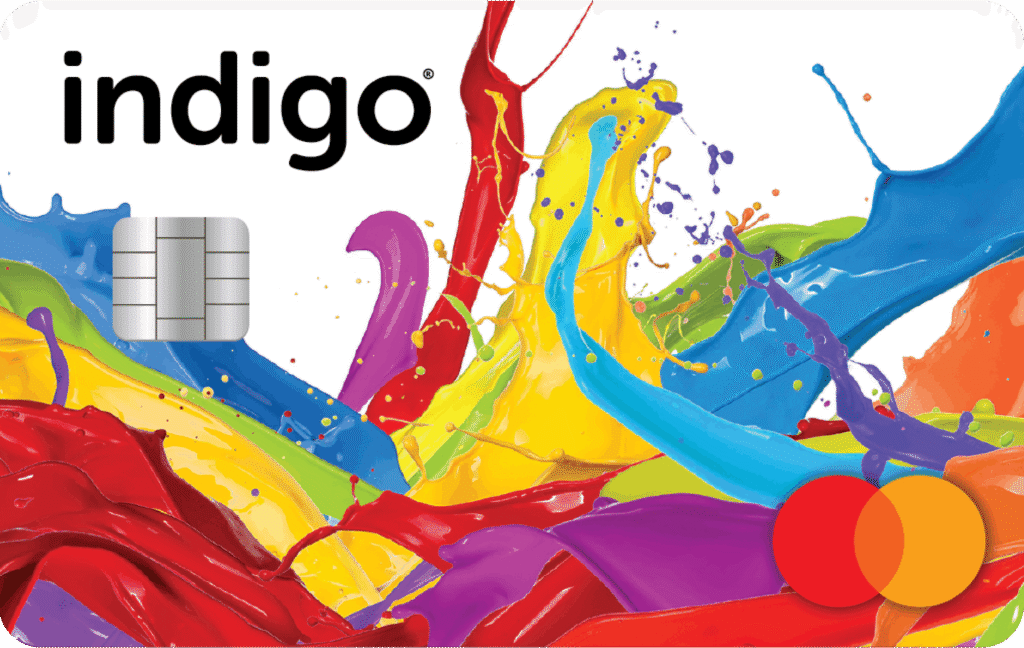

Getting approved for a credit card with fair credit can feel frustrating. One rejection after another often leaves people wondering if they’ll ever qualify for a decent unsecured credit card. That’s where the Indigo Credit Card enters the conversation. Marketed toward consumers with less-than-perfect credit, this card promises a chance to rebuild financial trust without requiring a security deposit.
But does it actually help fair credit users? Or is it just another high-fee credit card designed to profit from people trying to repair their credit score?
In this detailed Indigo Credit Card Review for Fair Credit Users, we’ll break down everything you need to know — from approval odds and fees to rewards, customer service, credit limits, and whether it’s a smart long-term option. If you’re trying to improve your FICO score while avoiding unnecessary financial traps, this guide will help you make an informed decision.
What Is the Indigo Credit Card?
The Indigo Platinum Mastercard is an unsecured credit card designed for individuals with fair credit, poor credit, or limited credit history. Unlike secured credit cards, you don’t need to put down a refundable deposit to open the account.
That alone makes it appealing for people who are rebuilding credit after:
- Missed payments
- Bankruptcy
- High credit utilization
- Collections
- Low credit scores
- Limited credit experience
The card is issued by Celtic Bank and serviced by Genesis FS Card Services. It reports to all three major credit bureaus, which is essential for credit-building purposes.
For many applicants, the biggest attraction is simple: easier approval requirements compared to traditional credit cards.
Quick Overview of the Indigo Credit Card
| Feature | Details |
|---|---|
| Card Type | Unsecured Credit Card |
| Credit Needed | Fair to Poor Credit |
| Annual Fee | Varies by applicant |
| Security Deposit | None |
| Credit Bureau Reporting | Yes, all three bureaus |
| Rewards Program | No |
| Intro APR Offer | No |
| Foreign Transaction Fee | Yes |
| Mobile Account Access | Yes |
Who Should Consider the Indigo Credit Card?
The Indigo Credit Card is mainly targeted at consumers who struggle to qualify for mainstream credit cards. It works best for:
Fair Credit Users
If your credit score sits somewhere between poor and good, you may qualify more easily than with premium credit cards.
People Rebuilding Credit
After financial setbacks, rebuilding your credit history takes time. Since the Indigo card reports monthly payment activity, responsible use may improve your credit profile.
Applicants Avoiding Secured Cards
Some people simply don’t have extra cash for a security deposit. Since this is an unsecured credit card, there’s no upfront collateral requirement.
First-Time Credit Users
Although there are better beginner cards available, some first-time applicants with limited credit history may still consider Indigo.
The Application Process
One reason this card gets attention is its pre-qualification feature. Users can check whether they’re likely to qualify without impacting their credit score initially.
That soft inquiry can be useful if you’re worried about multiple hard pulls damaging your credit report further.
The process usually includes:
- Completing a pre-qualification form
- Receiving an offer if eligible
- Submitting a formal application
- Undergoing a hard credit inquiry
- Receiving approval or denial
Many fair credit users appreciate the straightforward online application system.
Indigo Credit Card Approval Odds
Approval depends on several financial factors, including:
- Payment history
- Existing debt
- Income
- Credit utilization ratio
- Recent hard inquiries
- Bankruptcy history
- Account age
Compared to premium travel rewards cards or cashback cards, the Indigo Credit Card generally has looser underwriting standards.
That said, approval isn’t guaranteed.
Applicants with extremely low scores or recent serious delinquencies may still face rejection.
Annual Fees and Hidden Costs
This is where many consumers pause.
The Indigo Credit Card often charges an annual fee, and the exact amount depends on your credit profile. Some applicants receive lower-fee offers than others.
Potential costs may include:
- Annual fee
- Late payment fee
- Returned payment fee
- Foreign transaction fee
- Interest charges
Unfortunately, the card does not offer rewards, cashback, or travel perks to offset those fees.
For fair credit users, that means the card functions primarily as a credit-building tool rather than a lifestyle product.
Interest Rates and APR
The APR on the Indigo Credit Card tends to be high compared to traditional low-interest credit cards.
This is common among subprime credit products.
If you carry a balance month to month, interest can add up quickly. Therefore, the smartest strategy is paying your balance in full every billing cycle.
Doing so helps you:
- Avoid interest charges
- Lower credit utilization
- Improve payment history
- Build a healthier credit score
Credit Limit Expectations
Most Indigo Credit Card users receive a relatively modest credit limit.
Initial limits are often around a few hundred dollars, especially for higher-risk applicants.
That small limit creates both advantages and disadvantages.
Advantages
- Easier spending control
- Lower risk of overspending
- Good for disciplined budgeting
Disadvantages
- Higher credit utilization ratio
- Less purchasing power
- Harder to manage emergencies
If your credit limit is low, using more than 30% of available credit could negatively affect your credit score.
For example:
| Credit Limit | Recommended Spending |
|---|---|
| $300 | Under $90 |
| $500 | Under $150 |
| $700 | Under $210 |
Maintaining low utilization is one of the most important credit-building habits.
Does the Indigo Credit Card Build Credit?
Yes — if used responsibly.
This is one of the most important parts of any Indigo Credit Card Review for Fair Credit Users because credit-building is the primary reason people apply.
The card reports to:
- Experian
- Equifax
- TransUnion
That monthly reporting activity can strengthen your credit profile over time.
However, success depends entirely on your habits.
Best Practices for Building Credit
Pay On Time Every Month
Payment history makes up the largest percentage of your FICO score.
Keep Balances Low
Avoid maxing out the card.
Avoid Multiple Applications
Too many hard inquiries can temporarily lower your score.
Monitor Your Credit Report
Check for errors regularly.
Use the Card Consistently
Small purchases paid off monthly show responsible usage.
Benefits of the Indigo Credit Card
Even though the card lacks rewards, it still offers several advantages for fair credit users.
No Security Deposit
This remains one of the biggest selling points.
Many competing cards require deposits ranging from $200 to $500.
Easier Approval Standards
Consumers with damaged credit often find this card more accessible.
Mastercard Acceptance
The card works anywhere Mastercard is accepted worldwide.
Fraud Protection
Basic security features help protect against unauthorized transactions.
Online Account Management
Users can manage payments, balances, and statements digitally.
Drawbacks You Should Know
No Indigo Credit Card Review for Fair Credit Users would be complete without discussing the negatives.
No Rewards Program
No points. No cashback. No airline miles.
Annual Fee
Some applicants may find the fees difficult to justify.
High APR
Carrying balances becomes expensive quickly.
Low Initial Credit Limits
Smaller limits can hurt utilization if you spend too much.
No Upgrade Path
Some users eventually move to better unsecured credit cards with rewards and lower fees.
Indigo Credit Card vs Secured Credit Cards
Many fair credit users compare Indigo with secured cards.
Here’s a side-by-side breakdown.
| Feature | Indigo Credit Card | Secured Credit Card |
|---|---|---|
| Security Deposit | No | Yes |
| Approval Odds | Moderate | Higher |
| Annual Fee | Often Yes | Sometimes No |
| Rewards | No | Occasionally |
| Credit Building | Yes | Yes |
| Credit Limit | Usually Low | Based on Deposit |
If you can afford a deposit, some secured cards may offer better long-term value.
However, for people lacking upfront cash, Indigo may still be a practical option.
Realistic Expectations for Fair Credit Users
One mistake consumers make is expecting dramatic credit score improvements overnight.
Credit rebuilding takes consistency.
Using the Indigo Credit Card responsibly for 6 to 12 months may help improve:
- Payment history
- Credit mix
- Account age
- Credit utilization
- Overall financial reputation
However, missed payments or maxed-out balances can easily hurt your progress.
Customer Service Experience
Customer reviews about Indigo customer service are mixed.
Some users report:
- Easy payment processing
- Helpful representatives
- Smooth online account management
Others mention:
- Long hold times
- Fee frustrations
- Difficulty resolving disputes
This inconsistency is fairly common among credit-building card issuers.
Is the Indigo Credit Card Legit?
Yes, the Indigo Credit Card is legitimate.
It’s a real Mastercard product issued by a licensed financial institution and reports to major credit bureaus.
Still, legitimacy doesn’t automatically mean it’s the best option for everyone.
Consumers should compare:
- Annual fees
- APR rates
- Credit-building benefits
- Approval requirements
- Customer reviews
before applying.
Tips to Maximize the Indigo Credit Card
If you decide to apply, using the card wisely matters more than the card itself.
Use It for Small Purchases
Gas, groceries, or subscriptions work well.
Set Up Automatic Payments
This reduces missed payment risk.
Pay Early
Multiple monthly payments can lower utilization.
Avoid Cash Advances
Cash advances often carry additional fees and higher interest.
Track Your Credit Progress
Monitoring your score helps you see improvement trends.
Common Mistakes Fair Credit Users Make
Many people unknowingly sabotage their own credit recovery.
Avoid these mistakes:
- Missing due dates
- Applying for multiple cards at once
- Maxing out balances
- Ignoring annual fees
- Carrying high-interest debt
- Closing old accounts too quickly
Responsible behavior matters far more than owning any specific card.
Alternatives to the Indigo Credit Card
While the Indigo Credit Card has its audience, it’s not the only option available.
Fair credit users may also explore:
Secured Credit Cards
Often easier to qualify for and sometimes cheaper long term.
Credit Builder Loans
Helpful for creating positive payment history.
Retail Credit Cards
Some store cards offer easier approval standards.
Student Credit Cards
Good for younger applicants with limited history.
Credit Union Cards
Local credit unions may offer more flexible approval criteria.
Comparing options carefully can save money over time.
Is the Indigo Credit Card Worth It?
The answer depends on your financial situation.
It May Be Worth It If:
- You need an unsecured card
- Your credit score is fair or poor
- You want to rebuild credit
- You can pay balances in full
- You’ve been denied elsewhere
It May Not Be Worth It If:
- You qualify for lower-fee cards
- You want rewards or cashback
- You carry balances regularly
- You can afford a secured card deposit
The Indigo Credit Card works best as a stepping stone rather than a permanent solution.
How Long Should You Keep the Card?
Many fair credit users use the Indigo Credit Card temporarily while improving their scores.
After 12 to 24 months of responsible use, you may qualify for:
- Better rewards cards
- Lower APR credit cards
- Higher credit limits
- Travel cards
- Cashback cards
At that point, upgrading to a stronger financial product often makes sense.
However, don’t rush to close old accounts immediately, since account age affects your credit score.
Final Verdict on the Indigo Credit Card
This Indigo Credit Card Review for Fair Credit Users comes down to one core truth: the card serves a specific purpose.
It isn’t flashy. It doesn’t offer luxury travel rewards or premium cashback categories. Instead, it gives people with fair credit a realistic chance to rebuild their financial standing.
For consumers who need an unsecured credit card and can manage it responsibly, the Indigo Credit Card may provide a useful path toward better credit health.
Still, fees and high APR rates make discipline absolutely essential.
If you treat the card as a financial tool — not free money — it can help improve your credit profile over time. Pay on time, keep balances low, and use it strategically. Those habits matter far more than the logo on the front of the card.