
When your refrigerator suddenly stops cooling or your washing machine refuses to spin, everyday life can quickly become stressful. Household appliances are the silent workhorses of every home, and we rarely appreciate them until something goes wrong. That’s where sears appliance repair becomes an option many homeowners consider.
Whether you own a Sears appliance or another major brand, understanding how appliance repair works can save you money, reduce downtime, and help you make smarter decisions. This guide covers everything from scheduling repairs and understanding warranties to simple maintenance tips that can extend the life of your appliances.
If you’re wondering whether to repair or replace your appliance, how much repairs typically cost, or what to expect from the service process, you’re in the right place.
What Is Sears Appliance Repair?
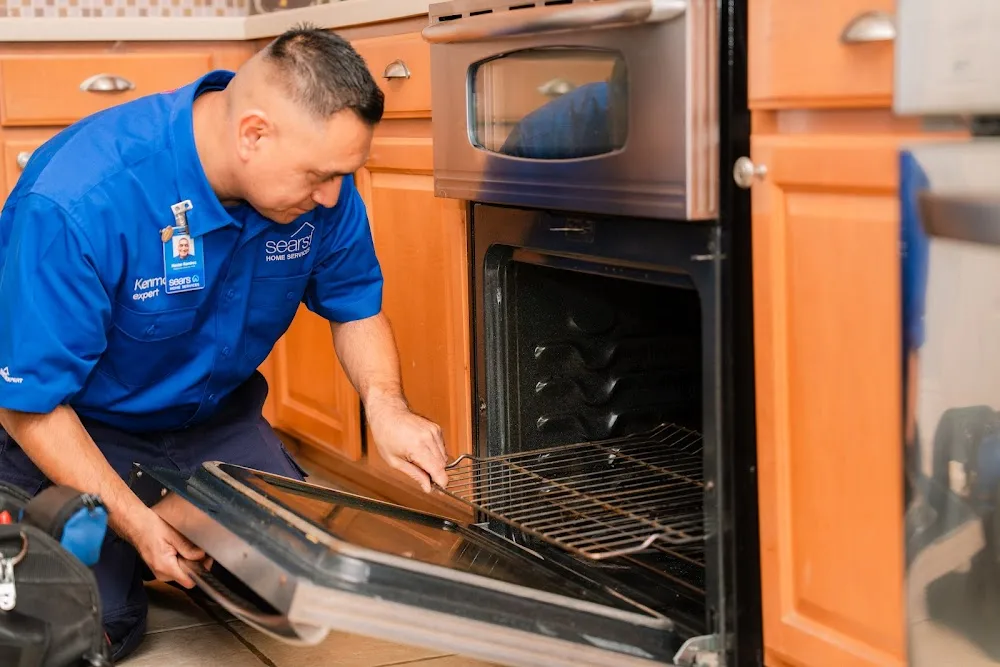
Sears appliance repair is a home appliance repair service that provides professional maintenance, diagnostics, and repairs for a wide variety of household appliances. Although Sears is well known for brands like Kenmore, its technicians commonly service many other leading appliance brands as well.
Services often include repairs for:
- Refrigerators
- Washing machines
- Dryers
- Dishwashers
- Ovens
- Ranges
- Cooktops
- Freezers
- Microwaves
- Garbage disposals
- Ice makers
- Wall ovens
Many homeowners appreciate having one repair provider capable of working on multiple appliance brands rather than contacting different technicians for each appliance.
Why Homeowners Choose Sears Appliance Repair
There are many reasons people continue to rely on sears appliance repair services.
Experienced Technicians
Professional technicians receive training to diagnose appliance problems efficiently. Their experience often allows them to identify issues that homeowners might overlook.
Repairs for Multiple Brands
One significant advantage is servicing various manufacturers, including many popular household names. This flexibility means homeowners don’t necessarily need brand-specific repair companies.
Convenient Scheduling
Many repair services offer flexible appointment windows, making it easier for busy families to arrange repairs without disrupting their daily routine.
Genuine Replacement Parts
Using manufacturer-approved appliance parts often improves repair quality and helps maintain appliance performance over time.
Appliances Commonly Repaired
Refrigerator Repair
Refrigerators operate around the clock, making them one of the hardest-working appliances in any home.
Common refrigerator issues include:
- Not cooling properly
- Water leaking
- Loud compressor noises
- Broken ice maker
- Frost buildup
- Faulty thermostat
- Damaged door seals
A professional appliance technician can inspect compressors, evaporator fans, condensers, temperature controls, and electronic components.
Washer Repair
Modern washing machines contain numerous electrical and mechanical parts.
Common washer problems include:
- Won’t drain
- Won’t spin
- Excessive vibration
- Water leaks
- Error codes
- Strange noises
- Door latch issues
Prompt repairs help prevent water damage and larger mechanical failures.
Dryer Repair
Dryers often experience wear because of heat exposure and moving components.
Typical dryer problems include:
- No heat
- Long drying times
- Drum not turning
- Burning smell
- Loud squeaking
- Faulty heating element
- Blown thermal fuse
Cleaning lint buildup regularly also improves efficiency and reduces fire risks.
Dishwasher Repair
Dishwashers simplify kitchen cleanup, but they can develop issues over time.
Common problems include:
- Poor cleaning performance
- Standing water
- Water leaks
- Broken spray arms
- Door not latching
- Drain pump failure
- Control board issues
Signs Your Appliance Needs Professional Repair
Many appliance issues begin with small warning signs.
Watch for:
- Unusual sounds
- Burning odors
- Water pooling underneath
- Increased energy bills
- Longer operating cycles
- Frequent error messages
- Inconsistent temperatures
- Electrical issues
- Excessive vibration
- Failure to start
Ignoring these symptoms can lead to more expensive repairs later.
Repair vs. Replace: Which Is Better?
One of the biggest questions homeowners ask is whether repairing an appliance makes financial sense.
| Situation | Repair | Replace |
|---|---|---|
| Minor electrical problem | ✔ | |
| Small mechanical issue | ✔ | |
| Appliance under warranty | ✔ | |
| Major compressor failure | ✔ Sometimes | |
| Appliance over 15 years old | ✔ Often | |
| Frequent recurring breakdowns | ✔ Usually | |
| Replacement parts unavailable | ✔ |
As a general guideline, if repair costs exceed roughly half the cost of a comparable new appliance, replacement may be worth considering.
However, every situation is different.
What Happens During a Sears Appliance Repair Visit?
Understanding the repair process helps set realistic expectations.
Step 1: Appointment Scheduling
Choose a convenient service date and provide details about your appliance and the issue.
Step 2: Initial Inspection
The technician examines the appliance, asks questions about the symptoms, and performs diagnostic testing.
Step 3: Diagnosis
Once the problem is identified, you’ll receive information about the required repair and any replacement parts.
Step 4: Repair
If parts are available, repairs may be completed during the same visit. Otherwise, a follow-up appointment may be necessary.
Step 5: Performance Testing
After repairs are complete, the technician tests the appliance to confirm proper operation.
Common Appliance Problems and Their Causes
Refrigerator
Possible causes include:
- Dirty condenser coils
- Broken thermostat
- Faulty compressor
- Damaged evaporator fan
- Refrigerant problems
Washing Machine
Potential causes:
- Clogged drain pump
- Broken drive belt
- Faulty motor
- Worn bearings
- Defective lid switch
Dryer
Common issues include:
- Broken heating element
- Clogged vent
- Faulty thermostat
- Damaged drum rollers
- Blown thermal fuse
Dishwasher
Frequent causes include:
- Clogged filter
- Broken circulation pump
- Faulty float switch
- Drain hose blockage
- Worn door gasket
Maintenance Tips That Reduce Repairs
Preventive maintenance often extends appliance life significantly.
Refrigerator Maintenance
- Clean condenser coils every six months.
- Keep door seals clean.
- Avoid overloading shelves.
- Maintain proper temperature settings.
Washing Machine Maintenance
- Leave the door open after use.
- Clean detergent dispensers regularly.
- Inspect hoses annually.
- Avoid overloading the drum.
Dryer Maintenance
- Clean the lint filter after every load.
- Inspect the dryer vent yearly.
- Remove accumulated lint inside the cabinet.
- Avoid overloading.
Dishwasher Maintenance
- Clean filters monthly.
- Run cleaning cycles regularly.
- Check spray arms for clogs.
- Use the correct detergent.
Regular maintenance reduces unexpected breakdowns and improves energy efficiency.
Understanding Appliance Warranties
Before scheduling sears appliance repair, check whether your appliance remains under warranty.
Some warranties cover:
- Replacement parts
- Labor
- Manufacturer defects
- Specific components
- Extended protection plans
Keeping purchase receipts and warranty documentation can simplify the repair process.
How Much Does Appliance Repair Cost?
Repair costs vary depending on:
- Appliance type
- Brand
- Replacement parts
- Labor time
- Complexity
- Service location
Typical factors affecting pricing include:
| Repair Type | Typical Cost Range |
| Diagnostic visit | Low to moderate |
| Minor repair | Moderate |
| Heating element replacement | Moderate |
| Motor replacement | Higher |
| Compressor repair | High |
| Electronic control board | Moderate to high |
Preventive maintenance usually costs far less than emergency repairs.
Benefits of Professional Appliance Repair
Hiring professionals provides several advantages.
Accurate Diagnosis
Professionals use specialized diagnostic equipment to locate the actual problem instead of guessing.
Safety
Large appliances involve electricity, water, gas, and moving parts. Professional repairs reduce safety risks.
Longer Appliance Lifespan
Quality repairs can add years to the life of refrigerators, washers, dryers, and dishwashers.
Better Performance
Proper repairs restore efficiency, helping appliances consume less electricity and water.
DIY Repairs: When Are They Safe?
Some maintenance tasks are homeowner-friendly.
Examples include:
- Cleaning condenser coils
- Replacing water filters
- Removing lint buildup
- Cleaning dishwasher filters
- Checking circuit breakers
- Tightening loose hoses
However, leave these repairs to professionals:
- Compressor replacement
- Gas appliance repair
- Electrical wiring
- Refrigerant work
- Motor replacement
- Electronic control boards
Attempting complex repairs without experience can worsen the problem.
Tips Before Scheduling Sears Appliance Repair
Before your appointment:
- Record any error codes.
- Write down unusual symptoms.
- Empty refrigerators if cooling has stopped.
- Disconnect power if safe.
- Move nearby furniture for easier access.
- Locate warranty documents.
- Know your appliance model number.
These simple steps can speed up diagnosis and repair.
Smart Ways to Extend Appliance Life
Every homeowner wants appliances that last as long as possible.
Here are a few habits that make a noticeable difference:
- Avoid overloading washers and dryers.
- Keep appliances clean inside and out.
- Replace filters on schedule.
- Address unusual noises immediately.
- Schedule inspections if performance declines.
- Use appliances according to manufacturer recommendations.
- Clean vents, coils, and filters regularly.
- Avoid slamming appliance doors.
- Inspect water supply hoses annually.
- Replace worn seals before leaks develop.
Small habits today often prevent expensive repairs tomorrow.
Final Thoughts
Household appliances make daily life easier, but like any mechanical system, they eventually require maintenance and occasional repairs. Choosing sears appliance repair can be a practical solution for homeowners looking for experienced technicians, support for multiple appliance brands, and professional diagnostics.
More importantly, understanding how appliances work, recognizing early warning signs, and performing regular maintenance can save hundreds of dollars over the life of your refrigerator, washing machine, dryer, dishwasher, oven, or microwave. Preventive care is almost always less expensive than emergency repairs, and timely service helps appliances operate safely and efficiently.