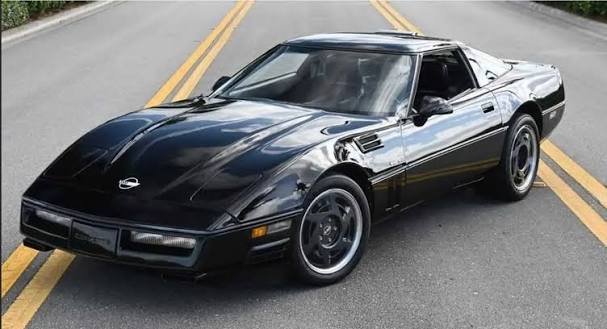

The Chevrolet Corvette has always represented American performance at its finest, but not every generation receives the same level of attention. While classic C1s and C2s often steal the spotlight and newer C8 models dominate today’s headlines, the corvette c4 has quietly become one of the smartest buys in the sports car market.
If you’ve been thinking about owning a Corvette without spending six figures, the C4 deserves a serious look. Built between 1984 and 1996, it introduced modern engineering, improved handling, and cutting-edge technology that transformed the Corvette into a genuine world-class sports car.
However, buying any classic performance vehicle requires careful research. Some models are far more desirable than others, maintenance costs can vary significantly, and certain years are known for specific issues.
This buyer’s guide covers everything you need to know before purchasing a corvette c4, from the best model years and engine choices to common problems and ownership costs. Whether you’re searching for a weekend cruiser, a collectible investment, or an affordable performance machine, these ten points will help you make the right decision.
Why the Corvette C4 Still Matters Today
The fourth-generation Corvette marked one of the biggest technological leaps in Corvette history. Chevrolet completely redesigned the car from the ground up, giving it a stiffer chassis, improved aerodynamics, advanced suspension, and a futuristic digital dashboard that looked like something from a science fiction movie in the 1980s.
Today, the corvette c4 offers exceptional value. It delivers authentic V8 power, timeless styling, rear-wheel drive excitement, and surprisingly sharp handling—all for prices that remain accessible to enthusiasts.
Many collectors now believe the C4 is finally receiving the appreciation it deserves.
1. Understand the Different Model Years
Not every C4 is the same.
During its 12-year production run, Chevrolet made continuous improvements that significantly changed performance and reliability.
| Model Years | Highlights |
|---|---|
| 1984 | First production year with Cross-Fire Injection |
| 1985–1991 | Tuned Port Injection (TPI) improves performance |
| 1992–1996 | LT1 engine brings major horsepower gains |
| 1996 | LT4 engine available on select manual models |
Many buyers specifically seek the 1992-1996 corvette c4 because of the powerful LT1 small-block V8, which produces 300 horsepower while offering excellent reliability.
The 1996 Grand Sport and Collector Edition models are especially desirable among collectors.
2. Avoid Certain Early Models Unless They’re Exceptionally Clean
The 1984 Corvette deserves credit for launching the new generation, but it also came with several drawbacks.
These include:
- Cross-Fire fuel injection
- Lower horsepower
- More electrical issues
- Less refined interior
- Limited aftermarket support
Unless you’re specifically collecting first-year models, many experienced Corvette enthusiasts recommend focusing on later production years.
That said, a well-maintained 1984 can still be a fun and affordable entry into Corvette ownership.
3. Engine Choice Makes a Huge Difference
One of the biggest factors affecting the value of any corvette c4 is the engine.
L83 (1984)
Produces around 205 horsepower using Cross-Fire Injection.
L98 (1985-1991)
A significant improvement featuring Tuned Port Injection.
Benefits include:
- Better torque
- Improved reliability
- Easier maintenance
- Strong aftermarket upgrades
LT1 (1992-1996)
Often considered the sweet spot.
Advantages include:
- 300 horsepower
- Excellent fuel injection
- Strong acceleration
- Better cooling system
- Improved drivability
LT4 (1996)
Only available with the six-speed manual.
Factory output reached 330 horsepower, making it one of the most collectible naturally aspirated C4 models.
Inspect the Digital Dashboard Carefully
One feature that makes the corvette c4 instantly recognizable is its digital instrument cluster.
While futuristic for its time, these dashboards can develop issues after decades of use.
Common problems include:
- Flickering displays
- Dim lighting
- Failed gauges
- Dead LCD segments
- Electrical glitches
Fortunately, many specialists now rebuild these dashboards using updated electronic components.
Always verify that every display functions correctly during a test drive.
5. Watch for Common Mechanical Issues
Although generally reliable, every aging sports car has known weak points.
When inspecting a corvette c4, pay attention to:
Cooling System
Radiators and water pumps eventually wear out.
OptiSpark Distributor
LT1-powered cars use the famous OptiSpark ignition system.
Water intrusion can cause:
- Hard starting
- Misfires
- Rough idle
- Engine hesitation
Fortunately, upgraded aftermarket replacements solve many of these issues.
Suspension Bushings
Rubber components naturally deteriorate with age.
Listen for:
- Clunks
- Steering looseness
- Uneven tire wear
Weather Seals
Older removable roof panels may leak if seals become brittle.
6. Transmission Choice Matters
Buyers can choose between automatic and manual transmissions.
Automatic
Ideal for:
- Daily driving
- Highway cruising
- Comfortable weekend trips
Six-Speed Manual
Highly sought after because it offers:
- Better driver engagement
- Improved resale value
- Greater collector appeal
- Higher performance potential
Manual-equipped corvette c4 models generally command higher prices in today’s market.
7. Interior Condition Can Be Expensive to Restore
Unlike engine parts, interior components are becoming harder to find.
Inspect carefully for:
- Cracked leather seats
- Torn upholstery
- Broken seat controls
- Sun-damaged dashboard
- Failing climate control
- Loose door panels
Replacement parts exist, but restoring a neglected cabin can quickly become expensive.
A clean interior often indicates careful ownership overall.
8. Research Maintenance History
Documentation matters.
A well-documented corvette c4 with complete service records is usually worth paying more for.
Look for evidence of:
- Oil changes
- Cooling system service
- Brake maintenance
- Tire replacement
- Suspension repairs
- Transmission service
- Spark plug replacement
- OptiSpark replacement (LT1)
Maintenance records reduce uncertainty and demonstrate responsible ownership.
9. Know Which Special Editions Are Worth More
Certain C4 models have become highly collectible.
ZR-1
Nicknamed the “King of the Hill.”
Features include:
- Lotus-designed DOHC V8
- Up to 405 horsepower
- Wide rear body
- Exceptional performance
Grand Sport (1996)
Instantly recognizable thanks to:
- Admiral Blue paint
- White racing stripe
- Red fender hash marks
Collector Edition
Marks the final year of C4 production.
These limited-production versions continue appreciating faster than standard cars.
10. Decide Whether You’re Buying to Drive or Collect
This may be the most important decision of all.
If your goal is weekend driving, prioritize:
- Mechanical condition
- Service history
- Comfort
- Reliability
If you’re investing, consider:
- Low mileage
- Original paint
- Factory documentation
- Matching numbers
- Limited-production models
- Original wheels
- Stock exhaust
- Minimal modifications
A pristine corvette c4 can become both an enjoyable driver’s car and a future collectible.
Estimated Ownership Costs
While affordable to purchase, ownership involves regular maintenance.
| Expense | Typical Cost |
| Oil Change | Low to Moderate |
| Tires | Moderate |
| Brake Service | Moderate |
| Insurance | Usually Affordable |
| Fuel Economy | 18–27 MPG depending on engine |
| Annual Maintenance | Varies with condition |
Compared to many European sports cars from the same era, the corvette c4 remains relatively inexpensive to maintain.
Best C4 Model Years to Buy
If you want the best combination of performance, reliability, and value, consider these years:
1992
The first LT1-powered model with a major performance boost.
1995
Excellent reliability with refined electronics.
1996
The most desirable standard production year.
Look for:
- Grand Sport
- LT4
- Collector Edition
These versions often retain their value better than earlier models.
Who Should Buy a Corvette C4?
The C4 appeals to a surprisingly wide range of enthusiasts.
It is an excellent choice for:
- First-time Corvette buyers
- Classic car collectors
- Weekend drivers
- Muscle car fans
- DIY mechanics
- Performance enthusiasts
- Budget-conscious sports car shoppers
Because parts availability remains strong and the aftermarket community is extensive, owning one is easier than many people expect.
Pros and Cons
Pros
- Affordable entry into Corvette ownership
- Powerful V8 engines
- Excellent handling
- Strong aftermarket support
- Iconic wedge styling
- Comfortable highway cruiser
- Increasing collector interest
- Reliable when maintained properly
Cons
- Aging electronics
- Digital dash repairs can be costly
- Early models have lower performance
- Interior plastics show age
- Weather seals may leak
- Some replacement interior parts are becoming scarce
Tips Before You Buy
Before purchasing any corvette c4, follow this checklist:
- Inspect underneath for rust.
- Verify VIN and ownership records.
- Test every electrical feature.
- Drive the car at highway speeds.
- Check for fluid leaks.
- Inspect tires for uneven wear.
- Listen for suspension noises.
- Review maintenance receipts.
- Confirm removable roof fits properly.
- Consider a professional pre-purchase inspection.
Taking these steps can save thousands of dollars later.
Is the Corvette C4 a Good Investment?
Over the past several years, clean, original C4 Corvettes have steadily gained popularity.
Several factors support future appreciation:
- Limited surviving low-mileage examples
- Rising interest in 1980s and 1990s vehicles
- Affordable entry price
- Historic importance in Corvette history
- Strong enthusiast community
While no collector car guarantees financial returns, buying a well-preserved corvette c4 today may prove to be a wise long-term decision.
Final Thoughts
The corvette c4 has spent years living in the shadow of earlier classics and newer performance icons, but that perception is changing quickly. With sharp handling, unmistakable styling, robust V8 power, and prices that still represent excellent value, it stands out as one of the most rewarding classic American sports cars you can own without breaking the bank.