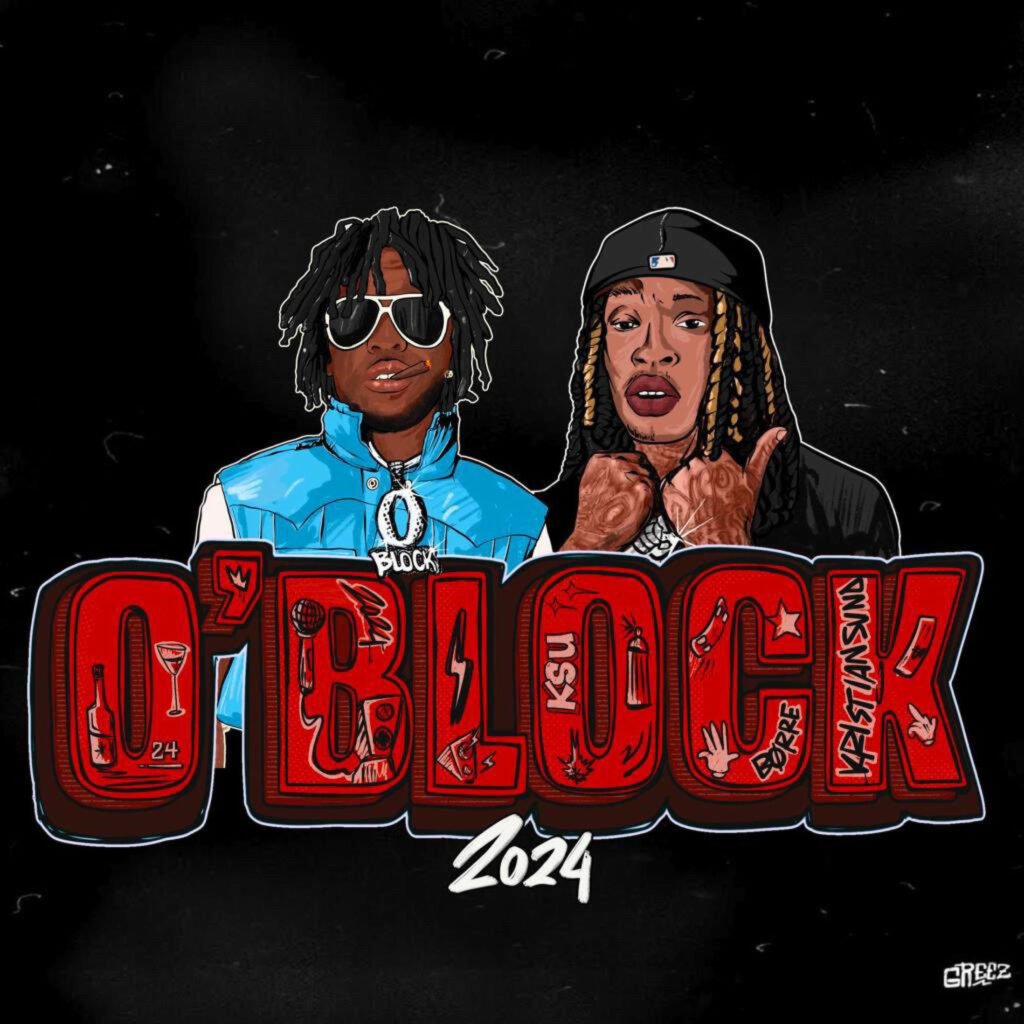

If you’ve spent any time on social media, watched rap interviews, or listened to modern hip-hop, you’ve probably heard the term o block. For many people, it’s just another name that pops up in song lyrics. However, for others, o block represents a real neighborhood with a complex history, deep community roots, and a reputation that extends far beyond Chicago.
So, what exactly is o block? Is it simply a famous street? Is it a neighborhood? Why has it become one of the most talked-about places in American hip-hop culture?
This beginner’s guide explains everything you need to know. We’ll explore its location, history, cultural importance, connection to rap music, common misconceptions, and why people around the world recognize its name today.
Whether you’re curious because of music, documentaries, or social media, this guide will help you understand o block beyond the headlines.
What Is O Block?
O block is the popular nickname for a residential area located in the Greater Grand Crossing neighborhood on the South Side of Chicago, Illinois. The area mainly surrounds the Parkway Gardens apartment complex.
The name “O Block” was adopted by local residents as a tribute to Odee Perry, a young man from the neighborhood who lost his life in 2011. Friends and community members began referring to the area as O Block in his memory, and the nickname gradually became widely recognized.
Today, millions of people know the name because of its frequent mention in rap songs, interviews, documentaries, and online discussions.
Where Is O Block Located?
O Block is situated on the South Side of Chicago, one of the city’s most historically significant regions.
Some key location facts include:
- Located near Parkway Gardens Apartments
- Part of the Greater Grand Crossing community
- South Side of Chicago
- Residential neighborhood
- Close to several schools and local businesses
- Easily recognized by locals under its nickname rather than its official address
Although many people refer to it as an independent neighborhood, o block is actually a nickname for a specific section within a larger residential community.
Quick Facts About O Block
| Feature | Details |
|---|---|
| Popular Name | O Block |
| Official Area | Parkway Gardens |
| City | Chicago |
| State | Illinois |
| Region | South Side |
| Neighborhood | Greater Grand Crossing |
| Known For | Hip-hop culture, community history, music references |
| Type | Residential housing complex |
The History Behind O Block
Understanding o block requires looking beyond internet trends.
Parkway Gardens was originally built as affordable housing for working-class families. Like many urban housing developments across America, it experienced changes over the decades as economic conditions shifted.
Several challenges affected the area, including:
- Economic hardship
- Limited employment opportunities
- Community violence
- Housing issues
- Underinvestment
- Public safety concerns
Despite these struggles, thousands of families have called the area home, raising children, building friendships, and creating strong neighborhood connections.
The nickname “O Block” eventually became more famous than the official name because of its cultural influence.
Why Is O Block So Famous?
There isn’t just one reason.
Instead, several factors combined to make o block internationally recognized.
1. Hip-Hop Music
Many Chicago drill artists have referenced o block in their lyrics.
As drill music became popular worldwide, listeners became curious about the places mentioned in the songs.
2. Social Media
Platforms like YouTube, TikTok, Instagram, and X helped spread stories, interviews, and discussions related to the neighborhood.
3. Documentaries
Various documentaries explored life on Chicago’s South Side, introducing global audiences to the history and challenges of neighborhoods like O Block.
4. News Coverage
Media reports covering crime, community issues, and local events frequently mentioned o block, increasing public awareness.
O Block and Chicago Drill Music
It’s almost impossible to discuss o block without mentioning Chicago drill music.
Drill emerged during the early 2010s as a raw, energetic style of rap known for its honest storytelling, heavy beats, and descriptions of real-life experiences.
Many artists from Chicago helped shape the genre by sharing personal stories about growing up in neighborhoods facing economic hardship.
Drill music eventually influenced artists around the world, including musicians in the United Kingdom, Australia, Canada, and New York.
Although o block became strongly associated with drill, the music represents only one part of the neighborhood’s identity.
Is O Block a Dangerous Place?
This is one of the most frequently asked questions.
The answer is more complicated than a simple yes or no.
Like many urban neighborhoods, the area has experienced periods of higher crime rates. However, reducing o block to only crime ignores the reality that families, workers, students, and longtime residents also live there.
Communities are made up of real people—not headlines.
Many residents simply go to work, attend school, support local businesses, and care for their families.
Understanding this broader picture is important when discussing any neighborhood.
Common Misconceptions About O Block
Many internet rumors create confusion.
Let’s separate fact from fiction.
Myth: O Block Is an Official City Name
False.
It is a local nickname rather than an officially designated Chicago neighborhood.
Myth: Everyone Living There Is Involved in Crime
False.
Thousands of ordinary residents live normal lives within the community.
Myth: O Block Exists Only Because of Rap Music
False.
The neighborhood existed long before modern drill music became popular.
Myth: Visitors Should Automatically Expect Danger
Reality depends on many factors, just as it does in any large city. It’s always wise to respect local communities and avoid treating residential areas like tourist attractions.
Why Do So Many Rappers Mention O Block?
Authenticity has always been important in hip-hop.
Artists often reference neighborhoods that shaped their lives.
Mentioning o block can represent:
- Personal identity
- Childhood memories
- Community pride
- Life experiences
- Loyalty
- Real-world storytelling
For listeners, these references provide cultural context, although they should never be interpreted as the complete story of a neighborhood.
The Cultural Impact of O Block
Few residential communities have gained worldwide recognition as quickly as o block.
Its influence extends beyond music into:
- Internet culture
- Fashion
- Music videos
- Streetwear
- Podcasts
- Streaming content
- Urban documentaries
- Pop culture discussions
As a result, people from countries that have never visited Chicago often recognize the name.
Daily Life in O Block
While online conversations often focus on sensational topics, everyday life includes many ordinary routines.
Residents spend their time:
- Going to work
- Attending school
- Shopping locally
- Playing sports
- Spending time with family
- Participating in community events
- Supporting neighborhood businesses
Like most communities, daily life is much more ordinary than social media often suggests.
How the Internet Changed O Block’s Reputation
The internet dramatically expanded awareness of o block.
Years ago, only local Chicago residents knew the nickname.
Today:
- Millions search for it online.
- Music fans discuss it daily.
- YouTube creators produce documentaries.
- Social media users reference it in trends.
- News outlets analyze its cultural significance.
While this attention increased visibility, it also created misinformation.
Some online content exaggerates events for views, making it important to rely on balanced information.
What Can We Learn from O Block?
The story of o block teaches several broader lessons.
Communities Are More Than Headlines
Every neighborhood has strengths, challenges, and people working toward a better future.
Music Reflects Real Experiences
Hip-hop often tells personal stories rooted in real communities, making geography an important part of artistic identity.
Context Matters
Understanding the history behind a place provides a more accurate perspective than relying on short social media clips.
Why Understanding O Block Matters
It’s easy to form opinions based on headlines or viral clips, but places like o block deserve a more balanced perspective.
Learning about its history, culture, and community reminds us that neighborhoods cannot be defined by a single story. Behind every famous location are families, friendships, memories, struggles, and achievements that rarely receive the same attention as sensational news.
Whether someone discovers o block through music, documentaries, or online conversations, taking time to understand the full picture leads to a more informed and respectful view.
Conclusion
O block has become far more than a neighborhood nickname. It represents a real community with a unique history, lasting cultural influence, and a powerful connection to Chicago’s hip-hop scene. While music and media have introduced the name to audiences across the globe, the area’s identity is rooted in the lives of the people who call it home.